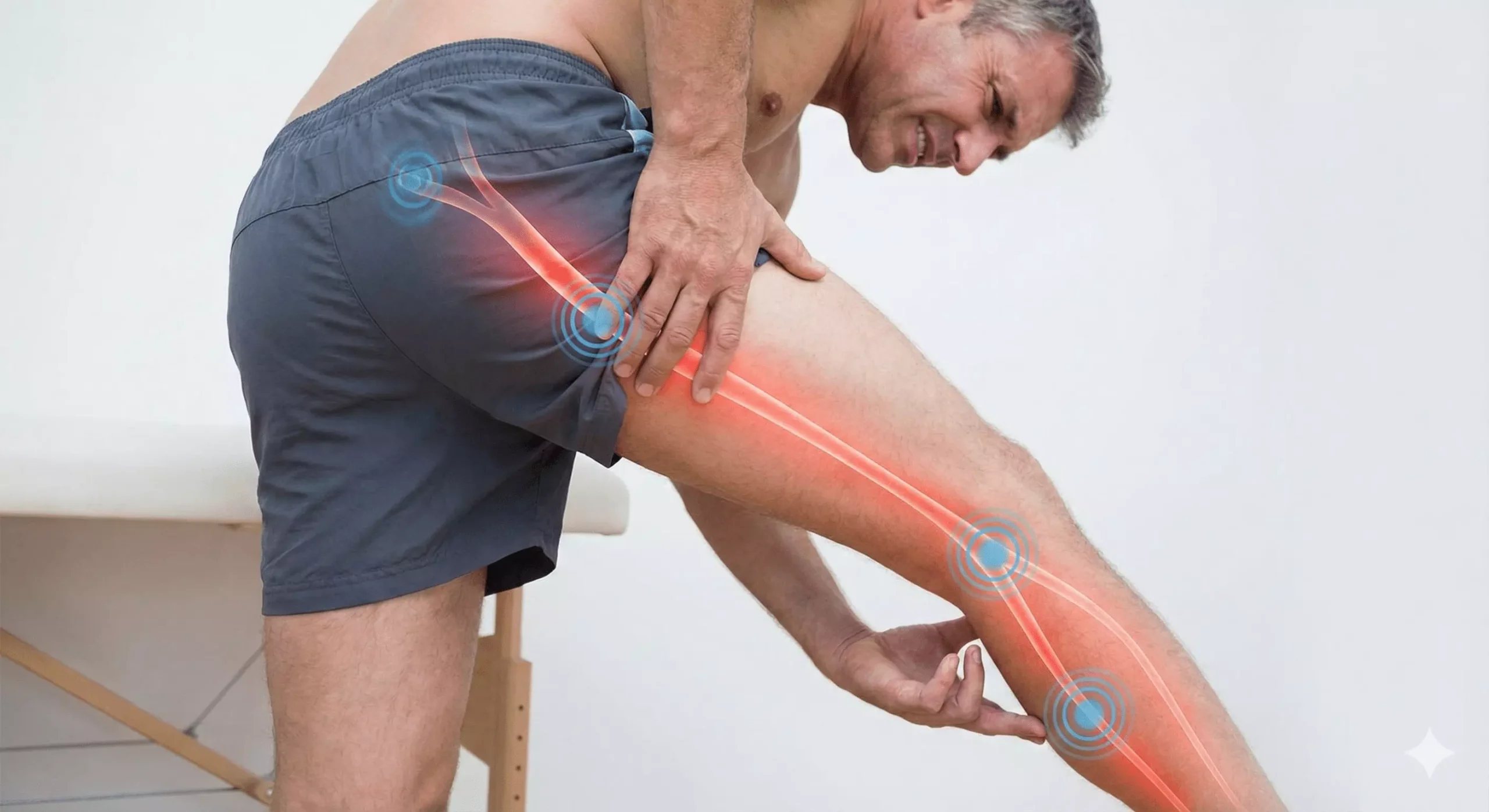
Leg pain may result from muscle strain, joint problems, nerve irritation, circulation issues, or an underlying medical condition. Depending on the cause and severity, exercises, lifestyle adjustments, physical therapy, or professional treatments can help reduce discomfort and support better mobility. Here are some exercises and treatments that address leg pain:
Gentle Movement Exercises
Physical activity often effectively reduces minor leg pain. Patients can try basic stretching routines that can promote healthy blood circulation throughout the extremities. Here are some of them:
- Ankle Pumps: Individuals point their toes upward and then push them downward slowly.
- Heel Slides: Patients bend their knees while sliding their heels toward their bodies.
- Calf Stretches: Individuals place their hands on a wall while keeping one heel flat on the floor.
- Knee Extensions: Patients sit in a sturdy chair while lifting their lower legs straight out.
These steady motions offer helpful relief for extremely tight leg muscles. Patients must perform each physical exercise slowly, and they should monitor their physical comfort levels closely.
Strength and Mobility Support
Strengthening the lower body provides long-term stability for vulnerable joints. Resistance training builds integral muscle mass, and the added support takes excessive pressure off the vascular system. As physical endurance increases, patients will notice a significant reduction in everyday leg pain.
Mobility work is a key element of any structured physical rehabilitation program. Patients can use high-density foam rollers, or they may attend professionally guided physical therapy sessions. People often experience far fewer mobility restrictions if they stretch their major muscle groups regularly. Licensed therapists design targeted workout plans, and recovering patients follow these specific regimens during clinic visits.
At-Home Treatment Options
Managing minor physical leg pain at home requires consistent and careful attention. Individuals can elevate their legs on a thick pillow to reduce fluid buildup in the legs. Whenever mild swelling occurs, cold compresses provide immediate relief of physical symptoms.
Over-the-counter anti-inflammatory medications serve as a helpful tool for daily symptom management. Patients should read the printed package instructions carefully, or they can consult a licensed pharmacist for correct dosage information. Medical compression garments offer structural support for weakened vascular pathways. Individuals can purchase standard compression stockings at local pharmacies, and these specialized devices prevent internal blood from pooling in the calves.
Professional Care Options
Persistent leg pain requires a comprehensive clinical evaluation. A specialist conducts detailed diagnostic tests, and they develop a precise care strategy based on the ultrasound results. Here are some of the components of professional care:
- Diagnostic Ultrasound: Doctors use high-frequency sound waves to examine internal blood flow in the legs.
- Prescription Medication: Specialists prescribe specific oral drugs to dissolve blood clots or lower high cholesterol.
- Sclerotherapy: Healthcare providers inject a chemical solution directly into damaged veins to redirect circulatory blood flow.
- Minimally Invasive Surgery: Vascular surgeons use small physical incisions to open blocked arteries or remove damaged varicose veins.
Advanced clinical therapies address the root causes of vascular leg discomfort. Patients must discuss all potential procedural risks with their healthcare provider, and they should ask specific questions about the expected recovery timeline.
Book Your Leg Pain Appointment
Timely medical care prevents minor leg discomfort from becoming a severe physical health issue. Patients can manage early vascular symptoms with gentle exercises, but ongoing circulatory problems require specialized expertise. Contact a qualified cardiologist near you to book your leg pain appointment today.