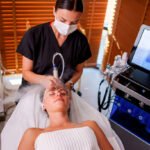
Platelet-rich plasma therapy serves athletes. Sports cause physical wear, and this therapy addresses underlying tissue damage. Because physical demands remain high, PRP offers structured cellular support.
How Does Cell Growth Work?
Experts believe increased cell growth supports tissue integrity. The procedure concentrates platelets. These components release growth factors, and they interact with the body’s cells. Steps include:
- Medical professionals inject plasma with concentrated platelets directly at the site that needs support.
- Growth factors from the platelets interact with cells and supports the body’s repair response.
- The process uses your own blood, which reduces the risk of reactions or incompatibility.
- Medical staff typically complete sessions in-office, and you can often resume normal daily activities soon after.
- Medical professionals generally monitor progress over time to evaluate tissue health and function.
Active cells build new structural proteins. Collagen and other proteins form the basis of healthy tendons, ligaments, and muscles. Some athletes use PRP as part of rehabilitation for soft-tissue injuries, tendonitis, or joint pain. Tissue needs a steady nutrient supply, and plasma delivers these resources. As cell growth increases, some gradually notice better function and flexibility. Consistent cellular regeneration may prevent further structural decline, so continue treatment as prescribed.
How Can Skin Be Revitalized?
Environmental exposure is common for athletes, and PRP therapy addresses damaged epidermal layers. The process draws your blood, refines the plasma, and injects it. Harsh conditions can affect skin, so providers use this targeted approach to maintain structural balance. PRP introduces growth factors from your blood, which interact with skin cells involved in renewal. The treatment sometimes focuses on deeper layers of skin. In many practices, providers may pair PRP with topical treatments or microneedling.
Outdoor sports expose skin to the sun, while practitioners use plasma-based care to address some effects of sun exposure. Ongoing sun exposure may cause discoloration, so practitioners recommend regular skin care. Practitioners can select specific areas for treatment. Some people notice a change in fine lines or surface texture as new cells develop. If you do outdoor activities, your skin faces wind, sweat, and abrasion. PRP is one recovery option. Athletes may choose regular care schedules, and they support the skin’s integrity. Revitalized tissue may add a layer of protection. Providers also advise regular care, such as moisturizers or sun protection, for comfort.
How Can Scars Be Reduced?
Scar tissue may affect physical comfort. Past injuries often leave fibrous marks, and plasma application is used to target these dense tissues. In PRP therapy, growth factors are delivered directly to the area. This can encourage the development of new tissue, and it is sometimes selected to help with scar appearance and texture. Some people use plasma treatments to support flexibility in scarred areas. After several sessions, platelets are introduced to the skin. This process is used for both appearance and movement, but results may vary. This process gradually minimizes visible surface defects. Heavy scar tissue limits joint mobility. Targeted injections help release these restrictions. You may notice easier movement as dense tissue is replaced by more flexible, healthy skin. PRP offers a non-invasive option.
Schedule Your PRP Consultation
Treatment plans require customization, and specialists thoroughly evaluate each athlete’s needs. Proper medical consultation remains the first step. If you use this therapy, discuss specific goals with professionals. You must understand the expected recovery timeline. Clinics provide detailed protocols, and practitioners closely monitor your physical responses. Before procedures, clarify all expectations with your provider. Each athlete presents unique requirements.