Platelet-rich plasma (PRP) therapy involves an injection of your own concentrated blood cells. The provider extracts a sample from you, and they prepare it in the clinic. Because this medical fluid contains distinct growth factors, it targets specific areas of your body. Here is more information on what may happen at your appointment for PRP injections:
Blood Draw
When you arrive at the medical facility, a medical provider typically prepares your arm for extraction. They sanitize the skin surface with an alcohol wipe to prevent potential bacterial infections. A small needle pierces your vein, and your blood flows directly into a collection tube.
The entire collection process takes only minutes, but some individuals experience a mild pinching sensation. After the glass tube fills completely, the medical professional carefully removes the needle. The nurse places a small adhesive bandage tightly over your minor puncture wound.
Centrifuge Step
The clinical staff takes your collected blood sample into a dedicated processing room. While you rest in the exam chair, a technician places the tube inside a machine. This specific device spins at rapid speeds, and it separates the distinct cellular components.
As the machine rotates the sample continuously, gravity pulls the heavier elements downward. The heavy red blood cells sink to the bottom, and the lighter plasma stays above. These platelets form a thin middle layer between these two primary fluid sections.
The technician extracts the platelet layer using a syringe, and they discard the remaining fluids. This final prepared PRP solution contains specific components:
- Concentrated platelets
- Clear blood plasma
While the total fluid volume decreases significantly, the remaining liquid holds the targeted cells.
PRP Injections
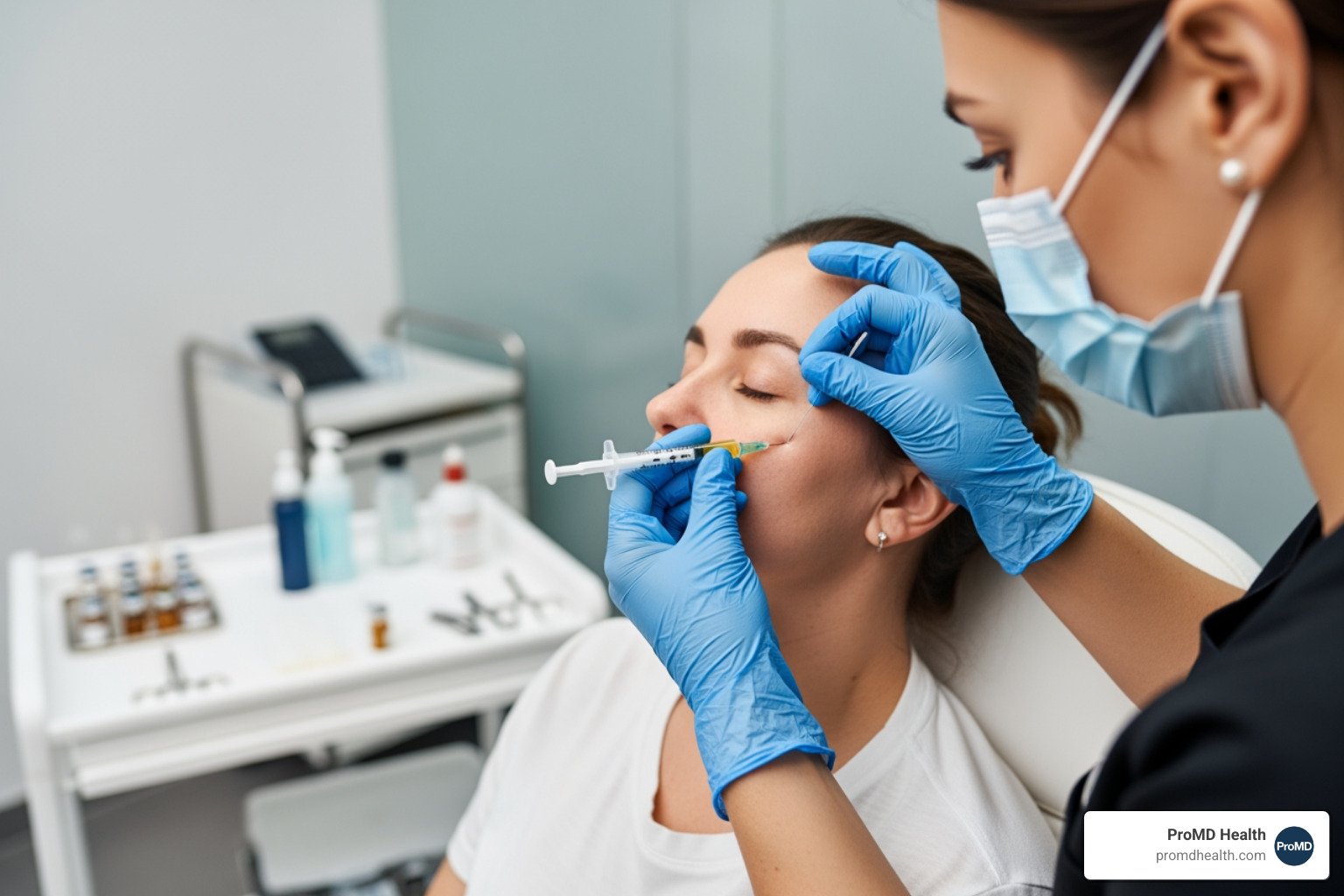
The doctor prepares the injection site on your body for the upcoming procedure. They apply a topical numbing cream, or they administer a local anesthetic injection. Because the area becomes numb, you feel less discomfort during the actual needle insertion. Before the physician delivers the treatment, they often utilize ultrasound technology for guidance.
The ultrasound monitor displays real-time images of your internal tissues and internal structures. This imaging helps the doctor navigate, and it prevents damage to the surrounding healthy nerves. The provider pushes the plunger slowly, and the concentrated plasma enters your body.
As the fluid fills the targeted space, you might experience a slight feeling of pressure. The medical team cleans the treatment area one final time. After they wipe away any residual ultrasound gel, they apply a fresh bandage. The active injection phase finishes quickly, and you prepare for the discharge process.
Recovery Process
Once the medical staff clears you for departure, you go home on the same day. The local anesthesia wears off gradually, and you might notice mild soreness around the site. Doctors advise against taking non-steroidal anti-inflammatory drugs immediately after the procedure. These specific medications reduce inflammation, but they interfere with the natural platelet function.
Schedule PRP Injections Today
A medical clinic offers these procedures regularly, and a team of medical staff answers your scheduling questions. When you are ready to pursue this specific treatment, contact a clinic near you. Call our office right now to book your initial consultation.