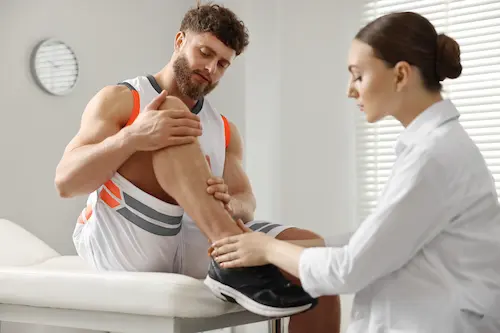
Sports medicine provides targeted medical treatments for various physical activity injuries and related joint conditions. Doctors focus closely on your musculoskeletal system, and they design highly specific recovery plans for you. When you experience severe joint pain, these dedicated medical professionals identify the exact root cause accurately. Here is more information on the role of sports medicine in injury management:
Diagnosing Injuries
Because symptoms vary widely among patients, doctors in sports medicine use advanced imaging tools for accuracy. Digital X-rays reveal hidden bone fractures instantly during the initial clinical examination. Magnetic resonance imaging scans show soft tissue damage, and modern ultrasound devices display hidden muscle tears. After the physician reviews these detailed images, they pinpoint the exact physical location of your distress.
Physicians review your detailed medical history thoroughly, and they test your overall joint stability during appointments. While comprehensive physical exams take significant time, they reveal specific weak points across your musculoskeletal system. Clinics prioritize accurate initial assessments, so patients receive appropriate medical care right from the very start.
Restoring Range of Motion
Severe joint stiffness typically follows significant physical trauma during sports participation. After damaged tissues heal initially, patients start specific stretching routines under direct medical supervision. Therapists guide your daily movements gently, and you may rebuild lost flexibility over time. Consistent stretching practice yields gradual physiological mobility improvements over several consecutive weeks of therapy.
This may involve:
- Gentle ankle rotations
- Controlled shoulder extensions
- Supported knee bends
Preventing Further Injury
Before you return to heavy action, trained specialists closely evaluate your fundamental movement patterns. Poor athletic form creates undue tension, so skilled trainers correct your posture during therapy sessions. This foundational step protects vulnerable body joints from additional strain during future physical activities. While patients practice these new physical techniques, their overall body mechanics change over time.
Custom orthotics align your feet properly, and specialized medical tape firmly supports weak ankle ligaments. High-quality protective gear absorbs sudden external impacts during intense physical activities on the sports field. While rigid braces effectively restrict harmful movements, they allow safe physical activity during the healing phase. Doctors may recommend specific protective equipment for your unique body structure, and they monitor the ongoing results.
Chronic physical overtraining without adequate rest leads directly to painful physical bone stress fractures. Proper rest periods allow deep tissue repair, and adequate sleep aids overall muscle recovery. If you ignore early physical pain signals consistently, minor physical damage can become severe rapidly. Scheduled recovery days protect your structural integrity throughout your entire training season.
Enhancing Performance
Once you regain full physical strength, seasoned experts refine your specific athletic technique carefully. Detailed analysis pinpoints wasted physical energy during your regular daily workout routines. Coaches might adjust your running stride gently, and registered dietitians can optimize your daily nutrition plans. As you apply these helpful professional recommendations, your body adapts to sustained physical demands.
Find Sports Medicine Care
Professional clinics offer highly specialized injury treatments for active individuals seeking professional medical assistance. As you navigate the complex recovery journey, dedicated medical teams guide your daily progress. Contact a local medical clinic today, or ask your primary doctor for a direct professional referral. Book an appointment to begin your structured physical rehabilitation program immediately.