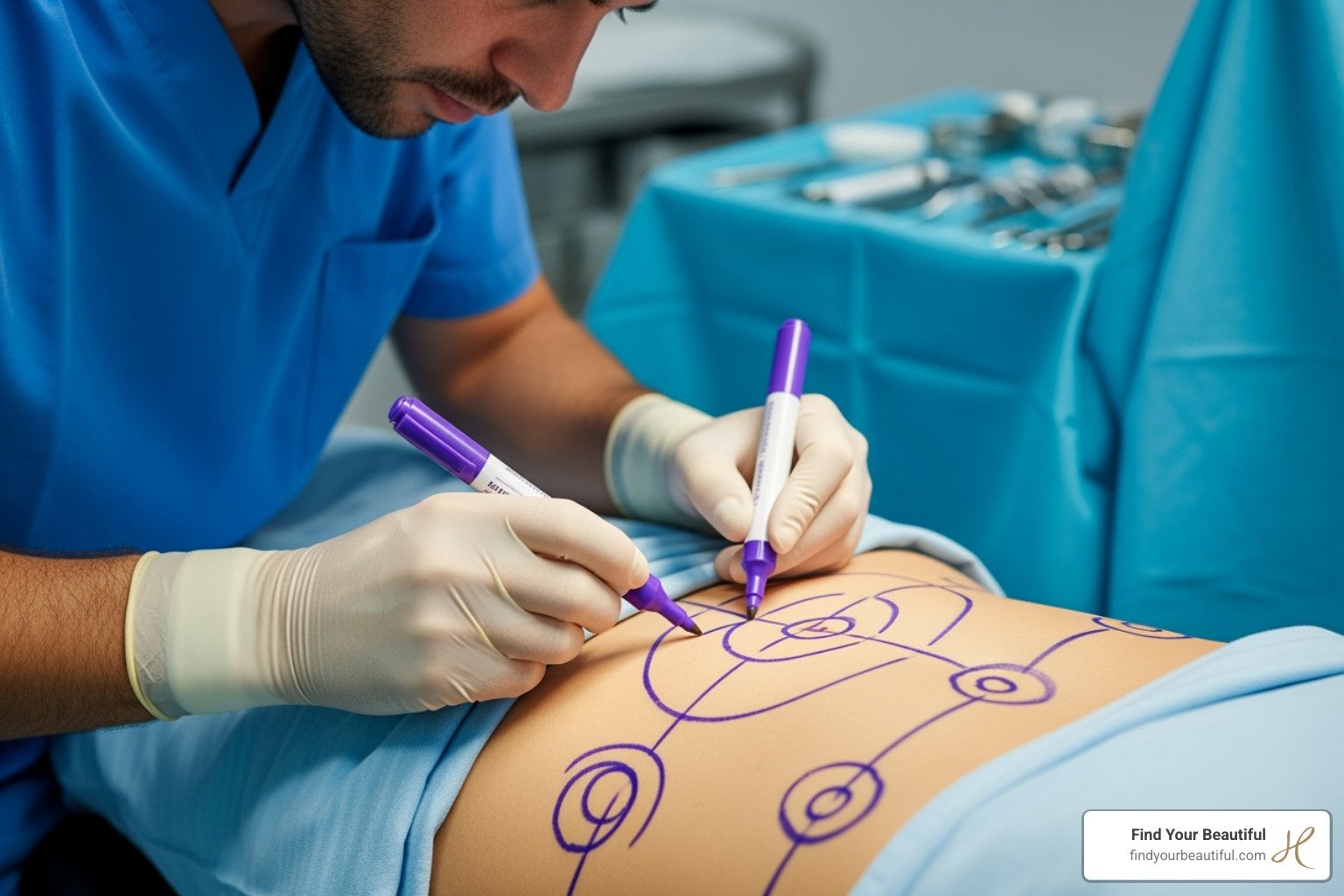
Gastric sleeve surgery is a weight loss procedure that may be recommended for individuals who have not achieved lasting results through diet, exercise, or other non-surgical methods alone. The process involves medical evaluations, pre-surgery preparation, and long-term lifestyle changes after treatment. Here is a closer look at what you should know about the sleeve gastrectomy process:
Preparing for Sleeve Gastrectomy
Preparation for a gastric sleeve surgery begins several months before your scheduled operation date. Your healthcare provider will order various blood tests, and a clinical dietitian will assess your current eating habits. Patients must follow a strict preoperative diet so that the liver shrinks adequately before the surgical date.
Physical conditioning is another major component of your preoperative phase. The medical team asks you to begin a light exercise routine, which strengthens your cardiovascular system. Patients are also asked to quit smoking several weeks before the procedure to make sure the lungs function optimally. A psychological assessment verifies your readiness for major lifestyle changes, and it identifies any potential behavioral eating challenges.
Understanding the Procedure
The surgical team uses advanced clinical techniques to perform the sleeve gastrectomy. They administer general anesthesia to keep you asleep, and they monitor your vital signs continuously. You can expect the following steps during the procedure:
- Small incisions: The surgeon creates several tiny cuts on your abdomen to insert specialized medical instruments and a camera.
- Stomach removal: The medical team extracts approximately 80 percent of your stomach, leaving a narrow tube behind.
- Stapling the pouch: The surgeon uses surgical staples to close the new stomach pouch securely.
- Incision closure: The surgical team closes the external abdominal cuts with medical stitches or surgical glue.
The medical staff moves you to a designated recovery room after the procedure finishes, and nurses monitor you closely as you wake up.
Managing Post-Surgery Recovery
Most patients stay in the hospital for one or two days following a gastric sleeve surgery. The nursing staff will encourage you to walk around your room, and this can prevent dangerous blood clots. You will drink clear liquids during this initial phase to make sure your new stomach heals properly.
Proper hydration remains paramount during your first few weeks at home. You will take small sips of water throughout the day, but you must avoid using a drinking straw. The transition back to solid foods happens gradually over several weeks. Your dietitian provides a phased diet plan, and you must strictly adhere to these nutritional guidelines. Your surgeon will prescribe specific medications for surgical discomfort, and you will transition to over-the-counter options.
Maintaining Changes Long-Term
A gastric sleeve requires a permanent commitment to new health habits. You will take daily vitamin supplements to prevent nutritional deficiencies, and you will schedule regular clinical check-ups with your medical team. Here are permanent adjustments that support your physical health as your body adapts:
- Portion control: You must eat significantly smaller meals to avoid stretching your new stomach pouch.
- Dietary modifications: You will prioritize high-protein foods and avoid sugary or highly processed items.
- Physical activity: You will incorporate regular exercise into your weekly routine to maintain your steady weight loss.
- Hydration habits: You must drink plenty of water between meals rather than during meals.
These structured lifestyle changes lead to consistent and sustained weight loss over time.
Schedule Your Gastric Sleeve Surgery Consultation
Successful weight loss and improved health outcomes after gastric sleeve surgery require a commitment to significant lifestyle changes. This includes adopting a balanced and nutrient-dense diet, engaging in regular physical activity, and developing positive hydration habits. These adjustments promote steady weight loss and enhance overall mobility. Consistency in maintaining these habits is key to preserving long-term results. Contact a certified bariatric surgeon near you to schedule your gastric sleeve surgery consultation today.