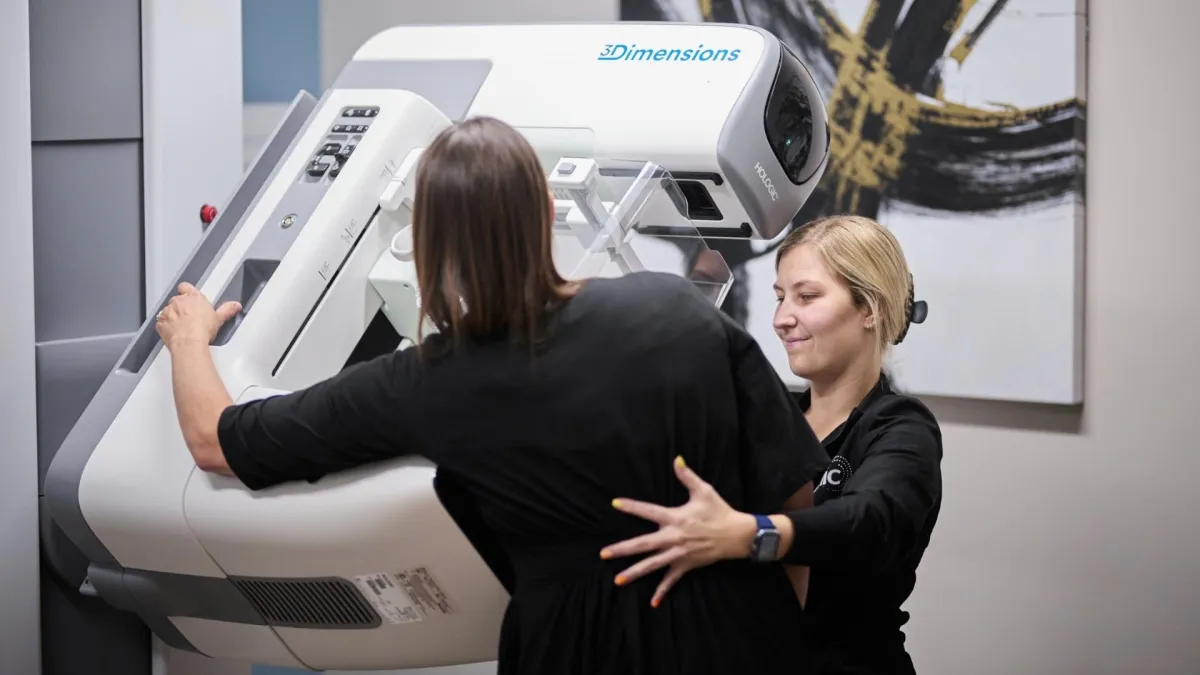
Regular mammography screenings play a significant role in preventive care by helping detect breast changes at an early stage, often before symptoms are noticeable. Early detection can improve the chances of identifying concerns sooner and support timely medical evaluation and treatment. Here are some of the key benefits of regular mammography screenings:
Supporting Early Detection
Mammography provides healthcare providers with detailed views of internal structures. Doctors evaluate these detailed images, and they look for microscopic abnormalities in the tissue. If a radiologist spots an irregular area, the medical team can investigate the finding immediately. Early detection relies on specific screening capabilities:
- Detailed tissue visualization: Digital machines capture high-resolution images of dense breast tissue.
- Microcalcification identification: Scanners detect tiny calcium deposits that sometimes indicate early cellular changes.
- Baseline comparison: Radiologists compare current scans against previous records to monitor ongoing structural stability.
Medical professionals use these detailed views to develop accurate clinical assessments.
Strengthening Long-Term Prevention
Consistent screening schedules create a reliable medical history for each patient. Healthcare providers review this chronological data, and they track structural shifts that occur over several years. While a single scan provides a helpful snapshot of current health, a series of images establishes a comprehensive baseline. Medical teams analyze these continuous records to detect slow-growing anomalies. Regular evaluations also reduce the likelihood of advanced-stage diagnoses and provide prompt interventions.
Patients often gain access to less invasive treatment options when doctors detect abnormalities early. Medical facilities record lower mortality rates among screened populations, and healthcare systems observe better overall recovery statistics. Early intervention often eliminates the need for extensive surgical procedures.
Identifying Likely Candidates
Healthcare guidelines recommend routine screenings for women reaching a certain age demographic. Physicians usually advise starting annual exams at age 40, and they adjust this timeline based on specific medical histories. If a patient has a documented family history of breast cancer, doctors generally initiate testing much earlier. Medical professionals assess individual risk factors to determine the most effective screening schedule. Individuals with specific genetic markers also require closer monitoring, and they undergo evaluations more frequently. When physicians evaluate these varied risk profiles, they establish a personalized diagnostic plan.
Women with dense breast tissue also gain significant advantages from specialized imaging. Standard scans sometimes miss small masses in dense tissue, but 3D mammography provides a thorough cross-sectional view. Doctors use high-resolution breast ultrasound for further evaluation, and they categorize cysts with high precision.
Continuing Screening Conversations
Open communication between patients and doctors facilitates accurate medical care. Patients share their changing health histories, and doctors update the corresponding clinical recommendations. As new diagnostic guidelines emerge, medical providers integrate these standards into their practice. Effective clinical dialogue covers several key topics:
- Risk factor reassessment: Doctors update patients’ risk profiles based on new medical data or changes in family history.
- Technological updates: Facilities introduce new diagnostic tools, such as 3D tomosynthesis, to improve screening accuracy.
- Schedule adjustments: Physicians modify appointment frequency to align with the current health status.
Consistent clinical communication keeps patients informed about their diagnostic options. Doctors answer questions about the testing procedures, and patients approach their appointments with clear expectations.
Schedule Your Mammography Appointment Today
Mammography functions as a fundamental tool for tracking tissue health and detecting early abnormalities. Medical teams rely on consistent breast imaging to build accurate clinical baselines, and patients receive timely interventions when necessary. Contact a trusted women’s healthcare provider near you to schedule your mammography appointment today.