Breast health is an essential part of overall well-being, yet it is often overlooked until problems arise. Early detection of breast issues, including breast cancer, significantly improves treatment outcomes. That’s why understanding breast health screening and following a proper guide is crucial for women—and sometimes men—of all ages. This article provides a comprehensive, easy-to-follow guide to breast health screening, its importance, methods, and tips for maintaining breast wellness.
Why Breast Health Screening Matters
Breast health screening is a preventive measure that allows healthcare providers to detect abnormalities in the breast early, often before symptoms appear. Screening is not just about identifying cancer; it can also help detect other conditions like cysts or infections.
Here’s why screening is essential:
- Early Detection Saves Lives: Breast cancer is more treatable when found early. Studies show that women who undergo regular screening have higher survival rates.
- Reduces Complications: Detecting an issue early often means less aggressive treatment is needed.
- Promotes Awareness: Regular screening helps women become familiar with their breast structure and notice changes more easily.
- Empowers Health Decisions: Knowledge from screening empowers women to make informed health decisions.
Who Should Get Screened?
Breast screening is recommended for almost every adult, but the approach varies based on age, risk factors, and family history.
- Women aged 40–49: Should discuss screening options with their doctor.
- Women aged 50–74: Recommended to have mammograms every 1–2 years.
- Women with higher risk: This includes those with a family history of breast cancer, genetic mutations (like BRCA1 or BRCA2), or previous chest radiation. Screening may start earlier or include more advanced tests.
- Men: Rarely, men can develop breast cancer. Those with risk factors should discuss screening with a doctor.
Key Breast Screening Methods
There are several methods used for breast screening. Each method has unique benefits and may be recommended based on age, risk, or symptoms.
1. Breast Self-Examination (BSE)
Breast self-examination is a simple and effective way to become familiar with your breast tissue. It helps you notice changes such as lumps, dimpling, or nipple discharge.
Tips for effective BSE:
- Perform once a month, ideally a few days after your period.
- Use the pads of your fingers to feel all areas of the breast.
- Check for changes in size, shape, or texture.
- Stand in front of a mirror to observe visual changes.
While BSE is not a substitute for professional screening, it promotes breast awareness.
2. Clinical Breast Exam (CBE)
A clinical breast exam is performed by a trained healthcare provider. It involves a physical check of the breasts and surrounding areas. A CBE can detect lumps or irregularities that might not be felt during self-examination.
3. Mammography
Mammography is the most common breast screening tool. It is an X-ray of the breast tissue and is particularly effective at detecting small cancers before they become palpable.
Key points about mammography:
- Recommended annually or every two years for women aged 40–74.
- Digital mammograms are now widely used for clearer images.
- Can detect microcalcifications (tiny calcium deposits) that may indicate early cancer.
4. Ultrasound
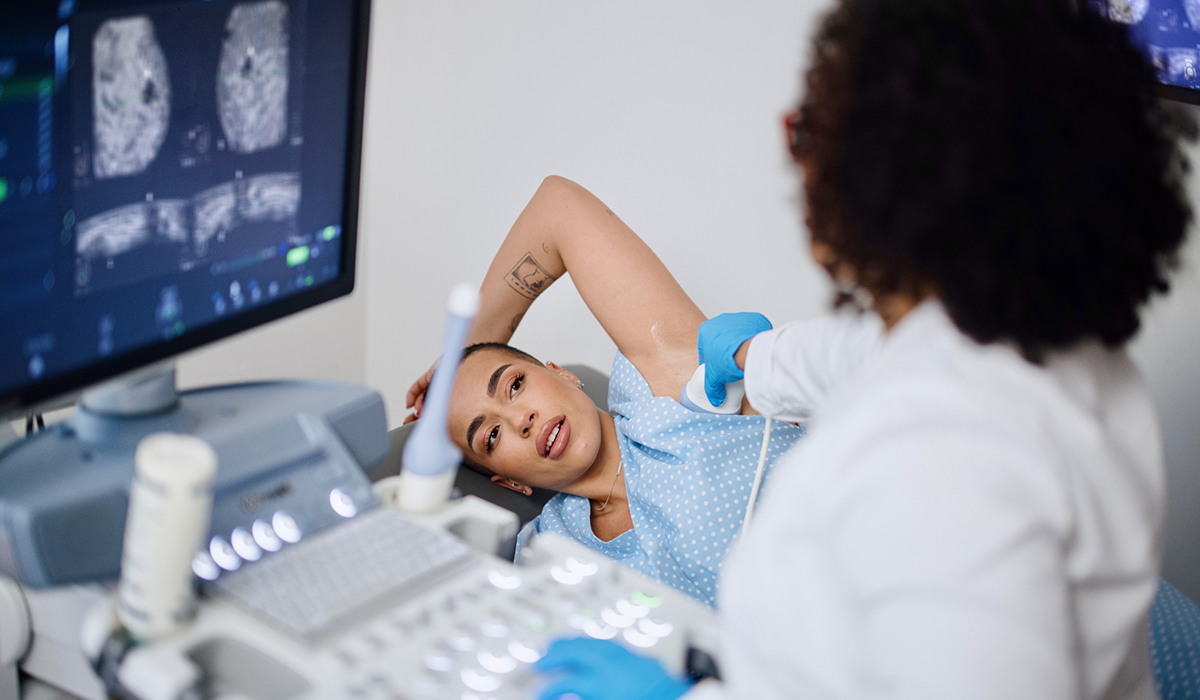
Breast ultrasound uses sound waves to produce images of the breast. It is often used in conjunction with mammography, especially for women with dense breast tissue, where mammograms might be less effective.
5. Magnetic Resonance Imaging (MRI)
Breast MRI is a more advanced screening method, usually recommended for high-risk women. It provides detailed images and is highly sensitive to detecting abnormalities.
How to Prepare for Breast Screening
Proper preparation ensures accurate results. Here are some tips:
- Avoid deodorants, powders, or lotions on the day of a mammogram.
- Schedule the test when breasts are least likely to be tender, typically after your period.
- Wear a two-piece outfit for convenience.
- Bring previous imaging results for comparison.
Understanding Your Results
Screening results can sometimes be confusing. Here’s what different outcomes may mean:
- Normal: No abnormalities detected; continue regular screening.
- Benign findings: Non-cancerous changes such as cysts or fibroadenomas; follow-up may be needed.
- Abnormal findings: Further testing like biopsy or MRI may be required.
It’s important not to panic if results are abnormal. Many breast changes are benign, and early detection allows for timely intervention.
Lifestyle Tips for Better Breast Health
Screening is important, but prevention and overall breast health are equally essential.
- Maintain a Healthy Weight: Obesity increases the risk of breast cancer.
- Exercise Regularly: Aim for at least 150 minutes of moderate activity weekly.
- Limit Alcohol Intake: Even small amounts can increase breast cancer risk.
- Avoid Smoking: Smoking is linked to several types of cancer, including breast cancer.
- Eat a Balanced Diet: Include plenty of fruits, vegetables, whole grains, and lean proteins.
- Breastfeed if Possible: Studies show breastfeeding can reduce breast cancer risk.
- Stay Informed About Family History: Knowing your genetic risk can guide your screening schedule.
Common Myths About Breast Screening
- Myth 1: Only women with symptoms need screening
Reality: Early-stage breast cancer often has no symptoms. Regular screening is key. - Myth 2: Mammograms cause cancer
Reality: The radiation dose is extremely low and the benefits outweigh the risk. - Myth 3: Young women don’t need screening
Reality: Women with high-risk factors may need screening in their 20s or 30s.
FAQs About Breast Health Screening
1. How often should I get a mammogram?
Women aged 50–74 should have a mammogram every 1–2 years. Women with higher risk may need earlier or more frequent screening.
2. Can breast cancer be detected with self-exams alone?
While self-exams help in noticing changes, they cannot replace professional screening methods like mammograms or clinical exams.
3. Is breast screening painful?
Some discomfort may occur during a mammogram, but it usually lasts only a few seconds. Communication with the technician can help reduce discomfort.
4. Are men at risk for breast cancer?
Yes, men can develop breast cancer, though it’s rare. Those with family history or genetic risk should consider screening.
5. What should I do if I find a lump in my breast?
Don’t panic. Schedule a visit with your healthcare provider for evaluation. Most lumps are benign, but early assessment is essential.
Final Thoughts
Breast health screening is a powerful tool for maintaining wellness and preventing serious illness. Understanding the different methods, knowing your risk, and maintaining a healthy lifestyle all contribute to better outcomes. Regular screening is not just a medical procedure—it’s an act of self-care and empowerment.
By staying proactive and informed, you take control of your breast health and increase the chances of detecting potential problems early, when treatment is most effective.