Breast reconstruction rebuilds the shape of the breast. Surgeons perform breast reconstruction after a mastectomy or lumpectomy, and they use established surgical techniques. When patients review these techniques, they evaluate different approaches, and they discuss medical history with a surgeon. The process focuses on restoring breast contour. Medical professionals explain available options, and patients make decisions based on this information. Although each patient presents a different medical profile, the surgical options fall into two main categories, and these categories guide the surgical plan. The reconstructive process involves multiple stages, and final results develop over time. When healing progresses, the shape forms a breast contour, and treatment moves toward completion.
Evaluating Implant Procedures
Breast reconstruction relies on medical devices. Surgeons place these devices under the skin, or they position them beneath the chest muscle. Because the chest tissue often requires gradual expansion, doctors place a tissue expander first, and they fill it over time. The medical team removes the expander during a later procedure. They replace it with a permanent implant, and the patient enters the next phase of recovery. While saline implants contain sterile saltwater, silicone implants contain gel, and both are used in reconstruction. The implant size aligns with the treatment plan, and placement supports breast shape. After the procedure, the medical team monitors the surgical site, and the patient begins recovery.
Evaluating Tissue Procedures
Autologous reconstruction uses tissue from the patient’s body. The surgeon transfers skin, fat, or both from areas such as the abdomen or back, and the tissue is used to form a breast mound. After the tissue is prepared, it is moved to the chest, and the surgeon shapes it during the procedure. Some techniques involve additional donor sites. The transferred tissue establishes blood supply, and the area heals over time. Because this method includes more than one surgical site, recovery differs from implant procedures, and hospital stays vary. The tissue responds to body changes, and it reflects natural characteristics. Since living tissue is used, the reconstructed area changes gradually over time, and long-term results develop with healing.
Evaluating Breast Reconstruction Timing
The timing of breast reconstruction depends on the overall treatment plan. Surgeons perform immediate reconstruction at the time of mastectomy, or they schedule it after other treatments. If additional therapies are required, the procedure may occur later, and the surgical team determines appropriate timing. Delayed reconstruction takes place after initial treatment. Immediate reconstruction combines procedures into one stage, and it uses existing tissue conditions. Because treatment plans vary, specialists coordinate care, and they establish a surgical timeline. This approach supports safe planning, and it aligns with medical needs. When initial treatments conclude, reconstruction begins, and the process continues in stages.
Find a Clinic
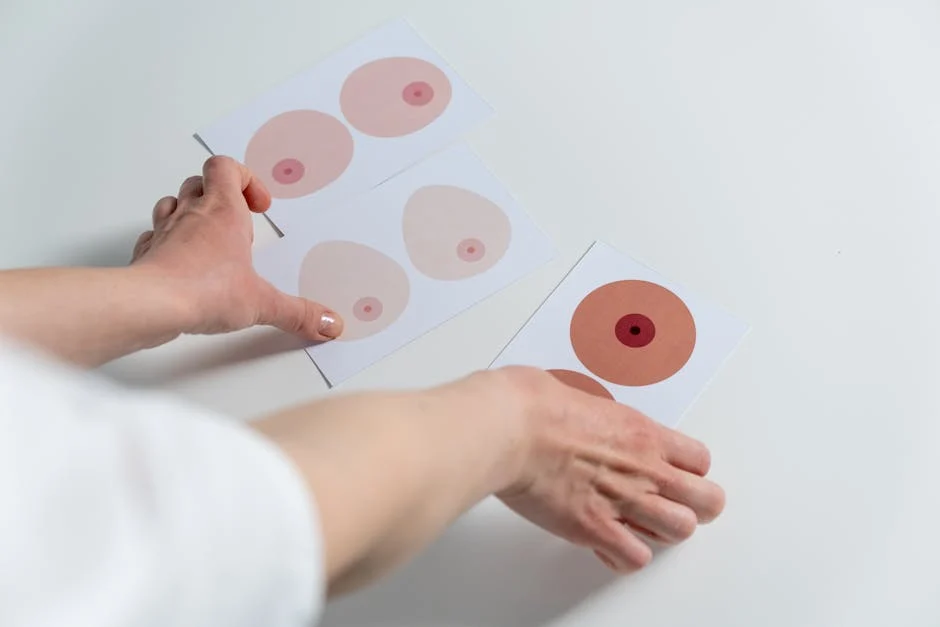
Breast reconstruction may include additional procedures. Surgeons reconstruct the nipple and areola, or they perform procedures to adjust symmetry. Even though the primary reconstruction creates the breast shape, follow-up procedures refine the outcome, and adjustments occur as needed. Surgical methods continue to develop. Patients review available options, and they follow guidance from qualified surgeons. Results appear gradually. The reconstructed area changes during healing, and the outcome stabilizes over time. Because reconstruction involves staged procedures, planning remains ongoing, and patients work with their surgical team throughout the process.