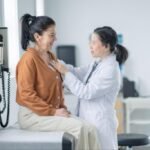
Healthcare systems rely on medical services to maintain public health standards. Access to initial medical evaluations forms the baseline for long-term health management. Medical access at the community level can reduce the burden on acute care facilities and provide a structured approach to disease prevention. By establishing a reliable network of medical providers, neighborhoods may support the long-term physical well-being of their residents. Accessible primary care creates a framework where patients can address minor symptoms before they escalate into severe medical events.
What Is Primary Care?
Primary care serves as the initial point of contact for individuals seeking medical attention within the healthcare system. This branch of medicine focuses on comprehensive and continuous health management, rather than specialized treatments. Medical professionals in this field offer a broad spectrum of medical evaluations and coordinate patient care across different healthcare sectors.
By acting as the central hub for a patient’s medical history, these practitioners guide individuals through complex medical systems. The relationship between a patient and their medical provider can span many years and allow for a detailed understanding of the patient’s medical background, family history, and lifestyle factors. This ongoing relationship facilitates accurate diagnoses and personalized treatment plans tailored to the specific needs of the individual.
What Services Fall Under It?
The scope of services provided at this level encompasses a wide range of medical needs. Routine check-ups and physical examinations form the core of these offerings and allow providers to monitor a patient’s baseline health. Preventive screenings are routinely conducted to detect early signs of conditions, such as hypertension, diabetes, and certain cancers. Immunizations are administered to protect individuals and the broader community from infectious diseases.
Providers in this sector also manage chronic conditions, so patients with heart disease or arthritis can receive ongoing monitoring, medication management, and lifestyle counseling. When a patient presents with a complex medical issue that requires advanced expertise, the general practitioner may issue a referral to a specialist. Diagnostic services can be offered on-site or coordinated through other medical facilities.
What Are the Benefits?
Accessible medical facilities yield numerous advantages for local populations. Regular contact with medical professionals leads to the early detection of underlying health issues, sometimes before symptoms appear. Identifying conditions in their initial stages may require less aggressive treatment and yield more favorable outcomes for patients.
Widespread access to routine medical services can lead to a decrease in emergency department visits. Patients with well-managed conditions may be less likely to experience acute medical crises requiring immediate interventions, reducing the burden on both the broader healthcare system and individual patients. Community resources can then be reallocated to other public health initiatives. Consistent medical guidance helps individuals navigate their personal health needs effectively and promotes healthier daily habits, including strict adherence to prescribed medications.
Visit Your Local Care Center
The structured support system of primary care can foster a population capable of sustaining consistent physical capabilities, allowing them to manage their health throughout various stages of life. Locating a nearby clinic and establishing an initial appointment initiates the process of comprehensive health tracking. Consistent utilization of these local resources can strengthen the overall healthcare infrastructure within the community.