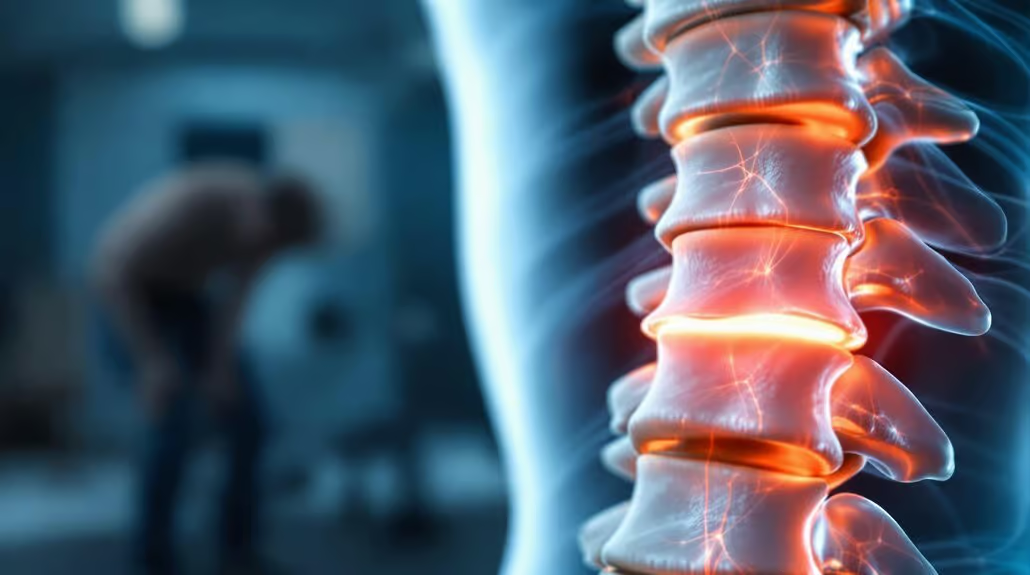
A herniated disc can cause a range of symptoms that affect comfort, movement, and daily function, depending on the location and severity of the problem. In some cases, symptoms develop when disc material places pressure on nearby nerves. This often leads to pain, numbness, weakness, or tingling in the back, neck, arms, or legs. Here are several signs that may help identify symptoms of a herniated disc:
Common Warning Signs
A herniated disc causes a variety of symptoms depending on the severity and location of the issue. Recognizing these warning signs can help initiate early intervention to manage the condition effectively. Here are some of them:
- Localized Pain: Sharp or throbbing pain in the back or neck, often indicating pressure on nearby nerves.
- Numbness or Tingling: Sensations in the arms, legs, or extremities caused by nerve irritation.
- Muscle Weakness: Reduced strength in certain muscle groups due to nerve compression.
- Difficulty Standing or Walking: Impaired mobility and balance as a result of discomfort and nerve dysfunction.
Understanding these symptoms is fundamental to identifying potential herniated discs and seeking appropriate medical attention to prevent further complications.
Concerning Nerve Symptoms
Nerve compression creates more sensory issues; patients frequently experience numbness or a tingling feeling in their extremities. If individuals develop weakness in specific muscles, the ruptured disc may be affecting motor nerves. As the nerve irritation continues, walking or holding items becomes difficult. Medical professionals evaluate muscle strength to check for nerve damage. They also test the reflexes of patients to get a clear picture of nerve health. Sciatic nerve pain is also a common symptom. This pain travels down the back of the leg, and it often reaches the calf or foot.
Movement-Related Symptom Changes
Symptoms related to nerve compression or lower spine herniation can vary significantly depending on body movement and positioning. Here are common changes that may occur for a herniated disc based on movement patterns:
- Worsening with forward bending: Flexing the spine may increase pressure on the affected nerve, intensifying pain or tingling.
- Temporary relief when lying flat: A neutral spine position can alleviate pressure on the nerve, providing short-term symptom relief.
- Sharp pain during sudden movements: Quick or jerky movements, such as coughing or sneezing, may temporarily increase symptoms due to abrupt shifts in internal pressure.
- Improvement with gentle stretching: Controlled stretching of the lower back muscles can occasionally reduce tightness and alleviate minor discomfort.
Monitoring these symptom changes in relation to movement can provide valuable insight for diagnosing and managing the condition effectively.
Timely Medical Attention
Persistent pain requires a professional medical evaluation. Noninvasive treatments often alleviate the symptoms, but some situations demand specialized care. When physical therapy fails to reduce the pain, doctors evaluate the patient and may recommend minimally invasive spine surgery.
If the numbness rapidly spreads down the leg, patients should schedule a consultation. Imaging studies such as MRIs can show the internal spinal structures clearly. The surgeon reviews these images, and they develop a customized treatment plan. A board-certified orthopedic spine surgeon can diagnose the root cause accurately. They offer solutions like spinal injections or perform outpatient surgical procedures.
Address Your Herniated Disc Today
Individuals should recognize the fundamental warning signs of a herniated disc, and they should seek professional medical advice promptly. While the condition causes severe discomfort, targeted medical treatments can restore normal function. Contact a certified orthopedic spine surgeon near you to book your appointment for a herniated disc today.