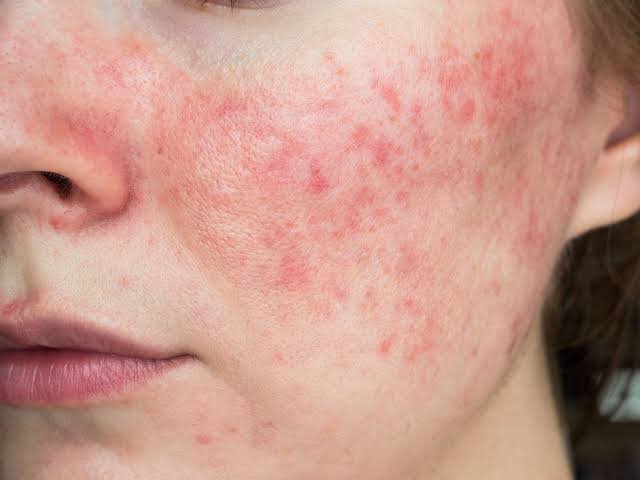
Rosacea is a long-term skin condition that mainly affects the face, and it causes redness, visible blood vessels, and sometimes small bumps. It typically shows up on the cheeks and nose. Since rosacea tends to come and go, many people mistake early flare-ups for sunburn or acne. Here is more information on the triggers and symptoms of this condition:
Typical Triggers
Certain everyday factors set off flare-ups. Heat raises skin temperature, spicy foods widen blood vessels, and other conditions may make symptoms worse. If you track your own patterns, you learn which triggers affect you most.
Triggers that affect people with rosacea include:
- Prolonged sun exposure and hot weather
- Daily alcohol, especially red wine
- Hot drinks and spicy meals
- Extreme temperatures or wind
- Intense exercise
Triggers differ from one person to the next. You might react strongly to heat, while someone else flares after coffee, and this variation makes personal tracking useful. Keep a simple log so you notice repeat patterns.
Telltale Symptoms
Rosacea may start subtly. Persistent redness sits across the center of the face, small blood vessels become visible, and the skin may feel warm. Since these signs build slowly, people sometimes overlook them for months.
Watch for these signs when you check your skin:
- Flushes that linger longer than a blush
- Appearance of tiny blood vessels
- Bumps or pimple-like spots
- Sensation of burning or stinging
- Skin that is dry, rough, or thickened
Symptoms shift over time. One week brings mild flushing, another brings bumps, and severity changes with your triggers. Noting these details gives your provider a clearer picture.
Specialized Guidance
Rosacea rarely follows a single formula. A trained provider examines your skin type, notes your history, and designs a personalized plan around your triggers. When your treatment matches your specific pattern, you follow it with more confidence.
Some cases need extra input. An eye doctor helps when rosacea affects the eyes, and a skincare specialist advises on daily products. Coordinated care keeps every part of your treatment aligned.
A medical team offers personalized assessments led by trained skincare providers. They can follow strict safety and hygiene protocols, and we explain each option in a language you understand. When you book a consultation, you take the first step toward managing your skin with expert support.
Early Medical Treatment
Early attention makes rosacea easier to manage. A dermatologist reviews your skin, asks about triggers, and matches a plan to your type. If you act at the first signs, you avoid letting symptoms settle into deeper patterns.
Topical medications reduce redness and bumps. Oral options treat more widespread inflammation, and laser treatments target visible blood vessels. Your provider explains each choice in plain terms before you decide. Daily habits support any medical plan.
Get Treated for Rosacea
Rosacea typically responds well when you address it early and consistently. A clear plan combines medical care, gentle products, and trigger awareness, and each part supports the others. If you understand your own signs, you make informed choices at every stage. Book your rosacea consultation today, and let our specialists build a treatment plan around your skin.