A colonoscopy is a visual examination of the entire large intestine and rectum. During this procedure, a physician inspects the intestinal lining for abnormalities, inflammation, or growths. The primary goal of this screening is to evaluate gastrointestinal health and diagnose conditions. Proper preparation is necessary for a clear view, so patients must follow a specific dietary and bowel-cleansing regimen beforehand. Here’s information on colonoscopies and how they are innovative for maintaining colorectal health:
Screening Benefits
Routine evaluations are a fundamental tool for preventive health maintenance, and colonoscopy is a common preventive screening procedure. The primary screening benefit of a colonoscopy is the visual identification of polyps, which are small abnormal growths that form on the lining of the colon. Most colorectal polyps are harmless, but some can change over time. During an examination, doctors can locate polyps and other abnormal tissues before they progress.
Colonoscopies help doctors detect abnormalities, but they also allow them to remove small growths immediately. This dual capability makes the procedure a highly efficient method for monitoring colorectal health. Physicians use these routine screenings to establish a baseline for internal health, enabling them to note and address any future changes promptly. The diagnostic precision of this procedure allows doctors to identify conditions such as:
- Colitis
- Crohn’s Disease
- Diverticulosis
Diagnostic Benefits
Beyond routine screening, physicians use this procedure to investigate specific physical symptoms. If an individual experiences unexplained abdominal pain, chronic diarrhea, or unexpected weight loss, a colonoscopy can help determine the underlying cause. Instead of relying solely on external imaging or blood tests, the physician can observe the internal tissue directly. The doctor can extract tiny tissue samples during the examination. A laboratory then analyzes these biopsies to confirm diagnoses with high accuracy, enabling individuals to receive appropriate and targeted care plans.
Technological Benefits
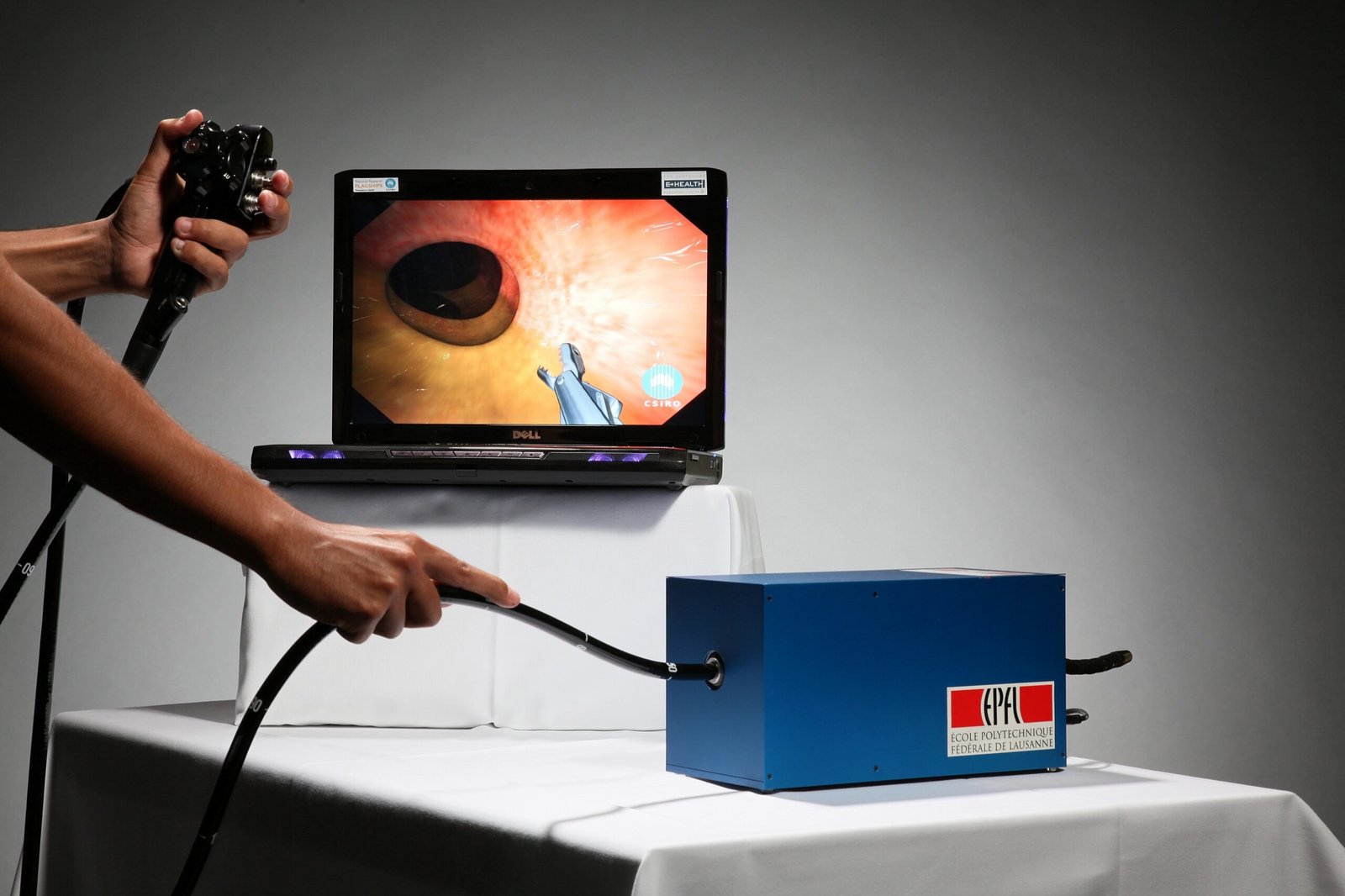
Modern equipment has refined the colonoscopy experience for patients. To understand these technological benefits, it is helpful to know how the procedure works. The physician uses a colonoscope, which is a long, flexible tube with a tiny video camera and a light source at its tip. Patients receive sedation before the procedure, so they remain comfortable throughout the process. The surgeon then guides the colonoscope through the rectum and into the colon.
Updated insertion techniques and more flexible scope materials reduce physical pressure on the colon walls, minimizing post-procedure bloating and accelerating recovery times. Video from the camera transmits to an external monitor, providing a magnified, high-definition view of the intestinal lining. These high-definition scopes provide exceptional clarity, allowing physicians to detect subtle changes in tissue texture or color.
Schedule a Colonoscopy
Everyone needs preventive colonoscopy screenings at a certain age, but your specific timeline depends entirely on your personal history. Medical guidelines generally suggest scheduling your first routine evaluation at age 45. If you have a family history of colorectal conditions, you may need to begin your evaluations earlier. If you experience new or concerning digestive symptoms, do not wait for a routine screening age. Contact your healthcare provider to discuss your symptoms and determine if a diagnostic evaluation is the right next step for your health.