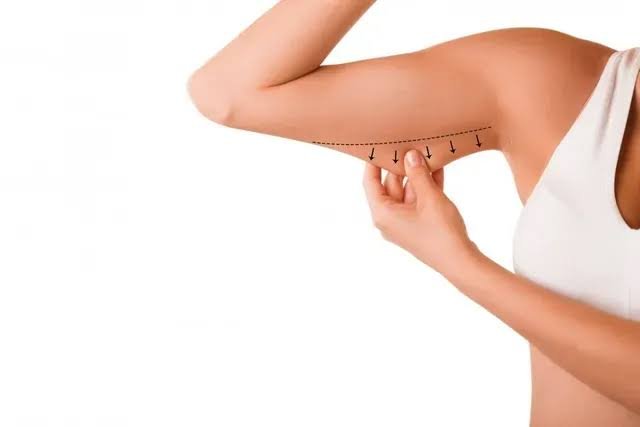
Liposuction is a cosmetic procedure, and it is performed to remove stubborn fat deposits from specific areas of the body. A surgeon uses a thin tube to loosen and suction fat, targeting areas that resist diet and exercise. Since the procedure works best for certain people, knowing the candidacy factors helps you make an informed choice. Here are the signs that liposuction may fit your goals:
Individuals Near Target Weight
Liposuction is not a weight-loss method. It contours the body, and it works well for people who are close to their goal weight. Candidates who maintain a stable weight may see more predictable contouring results. If your weight fluctuates often, the outcome may shift over time.
Doctors review your weight history during the first meeting to qualify for liposuction. A steady weight signals that you follow consistent habits, and it shows the surgeon what to expect. When you reach a stable point before surgery, you give the procedure a clearer starting line.
People With Skin Elasticity
Skin elasticity affects how your body responds after fat removal. Firm, elastic skin retracts more smoothly, and it settles against the new contour. Younger patients typically have more elasticity, though skin quality varies from person to person. A surgeon examines your skin tone during the assessment.
Several factors shape skin elasticity:
- Age and genetics
- Sun exposure over the years
- Hydration and overall skin health
- Weight changes
Your provider checks these points before recommending a plan. Loose skin may need a different approach, and the surgeon will explain your options. When your skin holds firmness, the treated area typically follows the reshaped form.
Good skin elasticity typically results in better results from treatments, as the skin can conform and adapt to the reshaped contours. A balanced skincare routine is needed for maintaining elasticity over time. While age and genetics play a significant role, lifestyle factors such as diet and skincare habits also contribute.
Individuals Targeting Trouble Areas
Liposuction addresses specific pockets of fat rather than the whole body. Good candidates have defined trouble spots that stay despite regular workouts. The procedure targets these zones directly, and it leaves surrounding tissue alone. Major treatment areas include:
- Abdomen and flanks
- Thighs and hips
- Arms
- Chin and neck
If you point to one or two persistent areas, you likely match this candidacy factor. The surgeon maps each spot during the consultation, and this plan guides the session. People with realistic, focused goals tend to have clearer conversations with their providers.
People Without Chronic Conditions
Your general health plays a large role in candidacy. Surgeons prefer patients who do not have conditions that raise surgical risk, and they review your full medical history. Some chronic illnesses affect healing, so honest disclosure matters here.
Doctors may ask about diabetes, heart disease, and immune disorders. Nonsmokers make stronger candidates, since smoking may slow recovery. When you share accurate details, your provider builds a safer plan around your needs.
A clear health profile helps the surgeon decide the next step. If a condition exists, the doctor may suggest alternatives or additional testing. This careful screening protects you throughout the process.
Schedule a Liposuction Consultation
The factors above give you a starting point, but only a qualified provider confirms candidacy. A consultation lets the surgeon examine your body, review your health, and answer your questions. During this meeting, you learn what the procedure involves and whether it aligns with your goals. If you want to explore whether liposuction fits your needs, contact our clinic today.