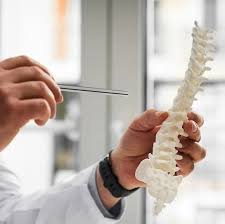
Severe spinal cord injuries can damage the nerve pathways located deep within the human back. When this traumatic event occurs, affected individuals experience significant physical changes in their daily mobility. Dedicated medical teams evaluate the physical damage quickly, and they create highly specific treatment plans immediately. Here are four different spinal cord injury treatments and how they work:
1. Physical Therapy
Because bodily movement becomes restricted after injury, medical providers guide patients through rigorous repetitive exercises. Specialists gradually restore lost muscle strength, and they teach patients entirely new daily mobility skills. These demanding physical rehabilitation sessions occur weekly within highly specialized medical clinics across the country. Consistent physical therapy builds a strong foundation for ongoing long-term health management and care.
2. Prescribed Medications
Doctors prescribe various daily drugs for spinal cord injuries, and patients take them at strictly scheduled times. Specific oral medications target severe nerve pain directly for maximum relief. If intense muscle spasms occur unexpectedly, attending doctors order strong muscle relaxants for the struggling patient. Complex daily pill regimens require strict patient adherence for ideal physical recovery results.
Chronic nerve pain creates extreme physical discomfort during completely normal everyday activities. Patients report their painful symptoms regularly, and physicians adjust the daily medication dosage amounts. While effective medical treatments exist, mild physical side effects often accompany these strong medicinal drugs. Careful medical monitoring prevents dangerous drug interactions during the extensive physical rehabilitation process.
Initial corticosteroids are used to reduce early spinal swelling, and they protect vulnerable nerve cells from further damage. Before doctors change active medical prescriptions, they review patients’ medical charts very closely. Sudden blood pressure issues require specific fast-acting cardiovascular drugs for immediate physical stabilization.
3. Assistive Devices
While traditional manual chairs require significant arm strength, advanced power chairs run on rechargeable battery packs. Modern medical technology creates safe transportation options constantly for injured individuals. Lightweight modern wheelchairs provide independent mobility, and sturdy aluminum walkers offer reliable standing support. These immensely helpful mechanical devices grant users greater freedom of movement indoors and outdoors.
Sturdy wooden access ramps make private residential homes highly accessible for wheelchair users. Dedicated occupational therapists teach recovering people how to use these mechanical items completely safely. When recovering patients leave inpatient rehab facilities, they bring these assistive physical tools home immediately. Rigid plastic back braces stabilize weak bodily joints, and they help align the damaged human spine.
4. Injected Botox
The injected chemical temporarily paralyzes specific muscle groups, and the painful physical tension drops significantly. Since severe muscle spasms disrupt daily tasks constantly, medical professionals use targeted chemical drug injections. Doctors administer these shots directly into the affected muscle tissue during routine clinic visits. Modern Botox treatments offer several distinct medical applications for struggling spinal cord patients:
- Reducing severe lower limb stiffness
- Calming overactive bladder muscle walls
- Easing daily personal hygiene routines
Address Spinal Cord Injuries Today
Modern physical treatments involve ongoing medical care, and specialized local clinics offer highly structured rehabilitation programs. Contact a medical team today for a comprehensive physical evaluation and consultation. Call a neurological clinic right now to start your structured medical recovery process. After you schedule a visit, they can thoroughly evaluate your complete medical history.