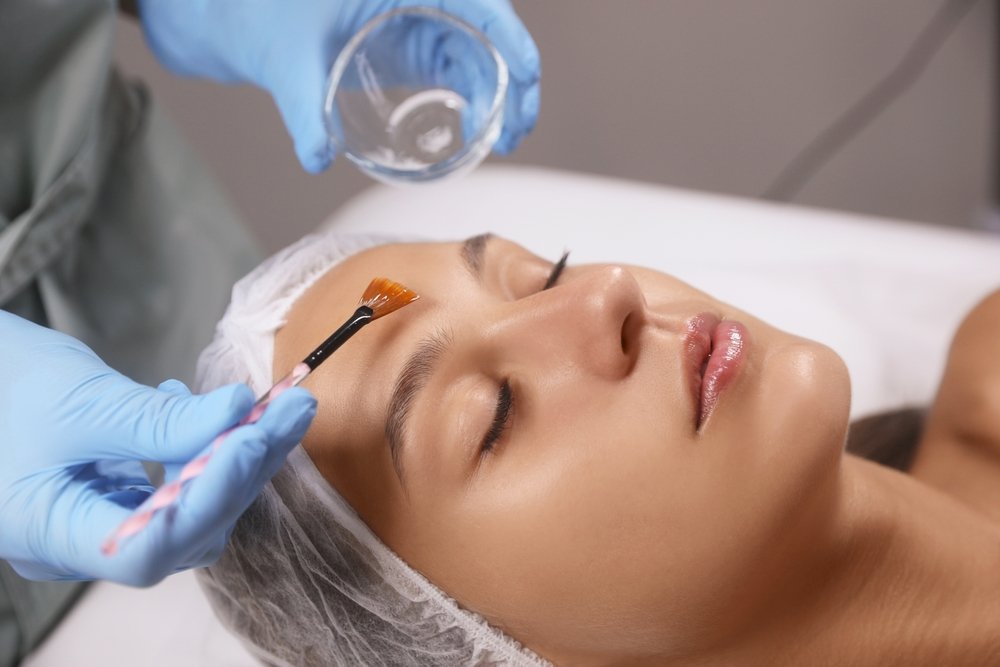
Chemical peels use a topical solution to remove damaged outer skin layers, and they support skin renewal. You may see peeling, tightness, or mild redness after treatment. Since the skin barrier stays more exposed for a short time, post-care focuses on keeping the area clean and limiting irritation. Here is more information on post-care following chemical peel treatments:
Keep Skin Clean
Clean skin may lower the chance of buildup during recovery. Wash with cool or lukewarm water, and use a mild cleanser that does not scrub the surface. If your provider gave specific instructions, follow them, as peel depth affects how long the skin remains reactive.
Skip washcloths, cleansing brushes, and exfoliating pads after getting chemical peels. Your skin feels rough, but friction may increase visible peeling. When you dry your face, pat gently and leave the area alone because repeated rubbing disrupts the surface. A simple routine helps during the first several days, so try using:
- Gentle cleansers
- Clean hands
- Soft towels
Avoid Picking Skin
Peeling skin typically looks uneven, and loose flakes may tempt you to pull them away. Do not pick it. When you remove skin by force, you raise the risk of raw spots because the new layer underneath remains fragile.
Itching may occur as the skin sheds. Keep your hands off the area, and trim nails short if you tend to touch your face without noticing. If dryness increases, use only the moisturizer your provider recommends because added products may sting.
Picking may also interfere with the natural shedding process, and it may leave patchy areas behind. Let the skin detach on its own. If you are unsure about what looks normal, contact your provider because timing varies by peel strength.
Reduce Sun Exposure
Sun exposure can increase stress on healing skin, and post-peel skin may react faster than usual. Stay out of direct sun during peak hours. Since ultraviolet light reaches the skin even on cloudy days, daily protection matters after treatment.
Use a broad-spectrum sunscreen once your provider says it is appropriate, and reapply it as directed. Wear a wide-brim hat to reduce sun exposure. If you spend time outdoors, limit exposure with these steps:
- Seek shade
- Avoid midday sun
- Use protective clothing
Heat also affects recovery. Hot cars, long outdoor walks, and intense exercise may add redness because they increase skin temperature. Keep activities light for a short period, and move indoors when your face starts to feel warm.
Skip Harsh Chemicals
Strong products may irritate freshly peeled skin, so keep your routine plain and avoid retinoids, exfoliating acids, acne spot treatments, and alcohol-based toners. Since the barrier needs time to settle, harsh ingredients may increase burning or dryness. Read labels, and pause new products until your provider clears them for use. If a product tingles sharply or leaves the skin hot, rinse it off because that reaction suggests irritation.
Schedule Chemical Peels Today
Good post-care keeps the recovery period more controlled, and it gives your skin time to shed without added stress. Follow the instructions from your provider. If you want guidance on treatment timing, aftercare, or product use, schedule your chemical peel consultation at a dermatology clinic today.