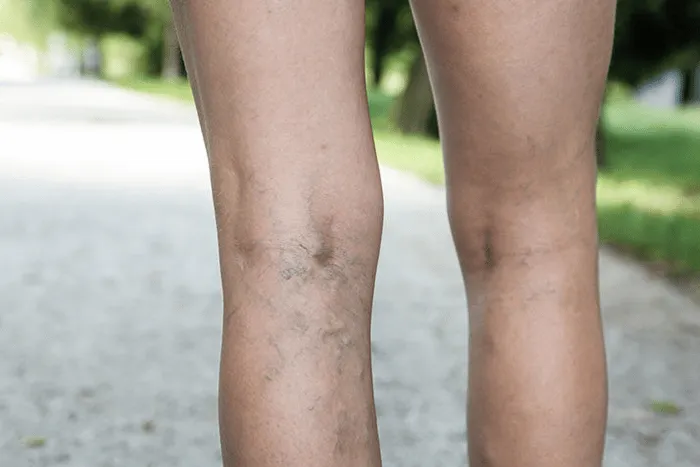
Varicose veins are enlarged, twisted veins that appear near the surface of the skin, often occurring in the legs and feet. They may look blue, purple, raised, or rope-like, and they typically develop over time. These veins are sometimes caused by pressure in the lower body and changes in vein structure. A basic understanding of common causes can help you identify patterns that may relate to work habits, body changes, and daily routines. Here are three potential causes of varicose veins:
1. Leg Pressure Changes
One possible cause of varicose veins involves increased pressure in the veins of the lower body. Veins in the legs move blood upward against gravity, and when that upward flow becomes less efficient, pressure may build inside the veins. Over time, this pressure has the potential to contribute to visible vein changes.
Daily habits often play a role. Long hours of standing place repeated strain on the legs. Jobs in retail, food service, manufacturing, and healthcare sometimes require workers to remain on their feet for much of the day. Long periods of sitting may also affect circulation, especially when movement is limited and breaks are short. Body weight is another factor; extra weight places increased pressure on the lower body, including the veins in the legs. These practical habits may be helpful:
- Change positions throughout the day
- Take short walking breaks when possible
- Avoid staying still for long stretches
2. Vein Valve Changes
Another common cause involves changes in the small valves inside the veins. These valves help blood move in one direction. When they no longer close as well as they should, blood may remain in the vein longer than intended. This added pooling sometimes places stress on the vein, and it contributes to a swollen or twisted appearance.
As individuals age, the veins and valves may lose some firmness, potentially making blood flow less efficient. This is one reason varicose veins appear more often as people get older. The process varies from person to person, but it remains a fundamental factor in many cases. If parents or close relatives have had varicose veins, this pattern may also suggest an inherited tendency related to vein walls or valve function. When you meet with a provider, details such as age, family history, and the timing of visible changes help shape treatment and future prevention.
3. Hormonal Changes
Hormonal shifts and life stage changes, such as pregnancy, also play a role in the development of varicose veins. These changes may affect vein walls, circulation patterns, and pressure in the lower body. During pregnancy, the body goes through several physical changes, and this sometimes makes veins more visible or more pronounced.
Other life stages also influence vein health; menopause, hormonal treatment, and hormonal birth control may be discussed during a broader health review. These factors do not act alone. In many cases, they overlap with age, family history, work demands, and body weight.
It can be helpful to track when you first noticed visible vein changes; this gives your vascular specialist more information. Contemplate questions such as:
- Did the veins appear during pregnancy?
- Did they become more noticeable after years of standing at work?
- Did the changes develop gradually with age?
Find a Varicose Veins Specialist
Varicose veins can relate to three causes: increased pressure in the legs, changes in vein valves, and hormonal or life stage shifts. Each factor affects the veins in a different way, and it’s possible for several to overlap at the same time. If you’ve noticed new or changing varicose veins, schedule an appointment with a vascular specialist to review your symptoms and discuss the next steps.