Skin health can be influenced by several internal and external factors, including hormonal changes that affect oil production, inflammation, and overall skin balance. These shifts may contribute to a range of skin concerns, from acne and sensitivity to changes in texture and pigmentation. While hormonal activity and skin cancer are not the same issue, understanding how the body’s internal processes affect the skin can support greater awareness of changes that may require professional evaluation. Here is a closer look at the connection between hormones and skin conditions:
Understanding Hormonal Skin Changes
Endocrine glands release hormones into the bloodstream. These chemicals travel to various organs, and they bind to specific receptors in skin cells. As these hormones interact with receptors, they can increase oil production or alter cell turnover rates.
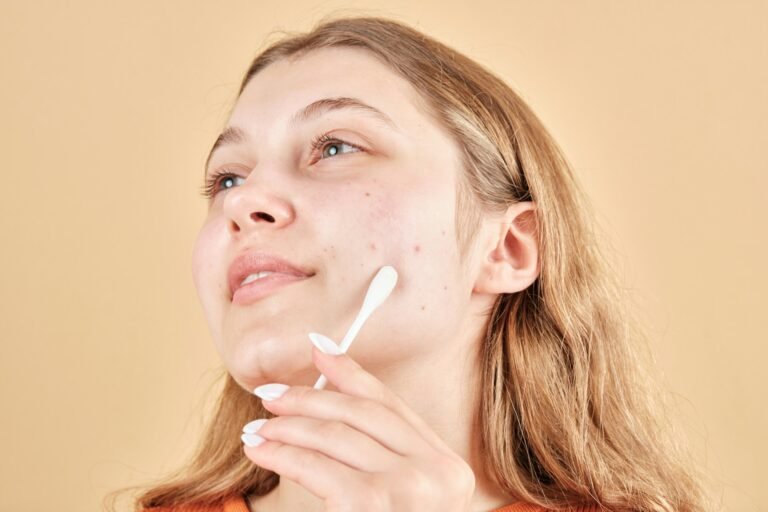
Fluctuations commonly happen during puberty, pregnancy, or menopause. Each phase introduces different chemical balances, and the skin reacts accordingly. Although these shifts are natural, they often create visible surface alterations. Higher androgens stimulate the sebaceous glands, and the skin becomes notably oilier. If the pores become blocked, painful blemishes can develop quickly.
Identifying Hormone-Linked Skin Conditions
Several conditions link directly to chemical fluctuations in the body. You can identify these common issues, and a professional can confirm the diagnosis. Here are some of them:
- Acne: Sebaceous glands produce excess oil, excess sebum clogs pores, and bacteria begin to multiply rapidly. When the block occurs, inflammation creates painful blemishes on the face or body.
- Melasma: Estrogen levels often trigger this hyperpigmentation, and sun exposure worsens the condition. Although melasma poses no physical danger, individuals often seek treatment for cosmetic reasons.
- Rosacea: Hormonal shifts can trigger flare-ups, and certain foods may exacerbate the redness. While no cure exists, proper clinical management effectively controls the symptoms.
These conditions require specific treatment protocols. After a thorough assessment, patients will receive a targeted plan for their needs.
Recognizing Warning Signs
Not all dermal changes relate to endocrine shifts. Some marks indicate a more serious issue, and early detection remains a key priority. If a mole changes size or color, a professional evaluation is necessary. Routine screenings help identify skin cancer early. Dermatologists look for irregular borders, and they assess abnormal skin growth carefully. When patients attend regular checks, doctors can detect potentially dangerous lesions much faster.
You must monitor your body for any new spots. Self-examinations provide a good baseline, but they do not replace clinical visits for detecting skin cancer. If a lesion bleeds or fails to heal, you should schedule an appointment immediately. Melanoma is the most dangerous form of skin cancer. This disease spreads rapidly, and it requires aggressive medical intervention. Whenever you identify an asymmetrical mole, you must point it out to your physician.
Managing the Skin and Risks
Daily care routines help manage surface symptoms. Here are some daily care tips to include in your routine:
- Sun Protection: UV rays damage cellular DNA, worsen conditions like melasma, and may cause skin cancer. When you apply broad-spectrum protection, you reduce the risk of future complications.
- Gentle Cleansing: Mild cleansers protect the moisture barrier, and they prevent unnecessary irritation. If you wash your face twice daily, you can keep pores clear of debris.
- Routine Checks: Professional skin examinations protect your health. Dermatologists evaluate all spots, and they can biopsy any suspected skin cancer growth.
A consistent routine promotes overall dermal health.
Schedule Your Skin Cancer Appointment
The link between hormones and skin health is undeniable. Chemical shifts often cause various temporary conditions, but permanent damage requires different medical interventions. If you notice suspicious changes, make sure you seek professional guidance right away. Contact a qualified dermatologist near you to schedule your appointment for a skin cancer evaluation.