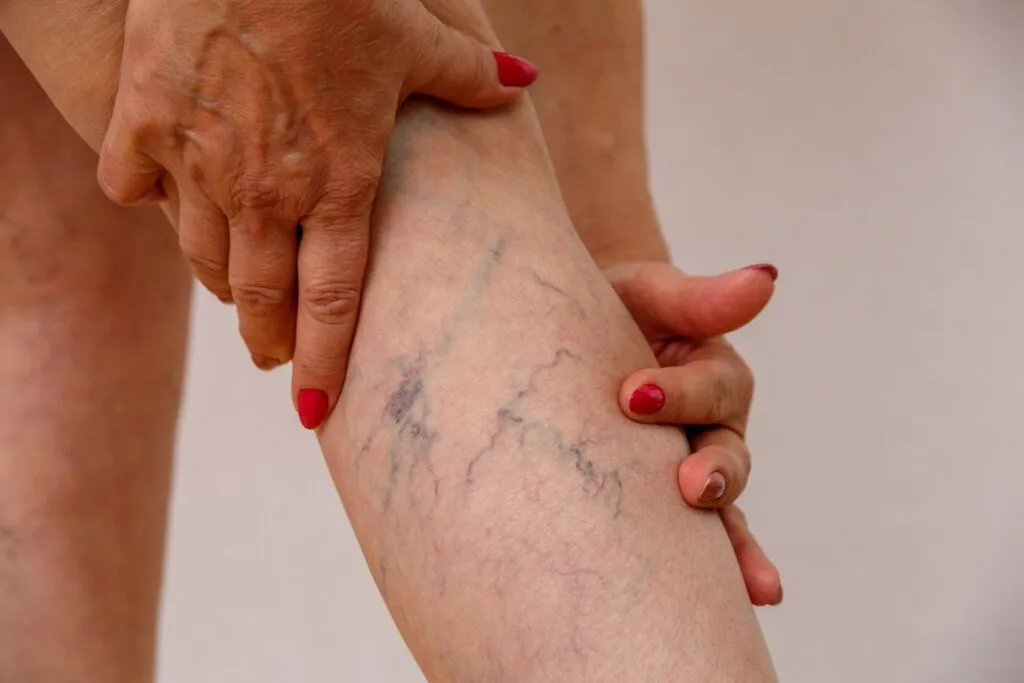
Varicose veins affect many adults, and they may cause physical discomfort. These enlarged blood vessels typically appear in the legs or feet, causing symptoms ranging from mild aching to severe pain. Understanding the underlying mechanisms helps individuals make informed healthcare decisions. Here is more information on this condition, what causes it, its symptoms, treatment options, and when professional care is necessary:
What Are Varicose Veins?
Varicose veins are swollen, twisted veins that lie just under the skin. They most commonly occur in the lower extremities, but they can develop elsewhere in the body. The veins appear dark purple or blue, often bulging outward. This condition develops when faulty valves allow blood to pool within the vessel.
What Causes Them?
Blood typically flows in one direction toward the heart, and small valves prevent it from flowing backward. When these valves weaken, blood accumulates in the vein. The increased pressure causes the walls of the vessel to stretch and expand. Genetics plays a significant role in this process, so patients with a family history face a higher risk.
Several other factors contribute to the development of this venous condition. Age reduces the elasticity of the veins, and pregnancy increases the body’s overall blood volume. Prolonged standing or sitting restricts healthy circulation, so individuals in certain occupations may experience higher rates of occurrence. Obesity places additional pressure on the lower body, further straining the circulatory system.
What Are the Symptoms?
Some patients notice visible bulging without experiencing any physical discomfort. Others develop significant aching in their legs, with the pain potentially worsening after prolonged standing. Swelling sometimes occurs around the ankles or lower calves. A heavy sensation affects the lower extremities, and patients may also experience muscle cramping at night.
Skin changes sometimes accompany the physical discomfort in advanced cases. The skin around the affected vein becomes discolored, or it feels unusually dry and itchy. Minor injuries to the area may bleed more than usual, requiring prompt medical evaluation. Ulcers can form near the ankles, and these open sores indicate a circulatory issue.
What Are the Treatment Options?
Medical professionals offer several minimally invasive procedures to address this condition. Endovenous laser treatment utilizes targeted light energy to close the affected vessel, and the body naturally reroutes the blood to healthier veins. Radiofrequency ablation operates on a similar principle, but it uses thermal energy rather than a laser. Both procedures take place in an outpatient setting, with patients typically resuming normal activities quickly.
Sclerotherapy provides another reliable option for treating smaller abnormal veins. A doctor injects a chemical solution directly into the vessel, which irritates the lining and causes it to collapse. The treated vein eventually turns into scar tissue, and it fades from view.
When Is Professional Care Necessary?
Patients should seek medical evaluation when self-care measures fail to relieve their discomfort. A physician will properly assess the circulatory system and determine the most suitable treatment option. Sudden swelling in the leg requires immediate attention, as it may indicate a blood clot. Open sores demand specialized wound care, and persistent bleeding requires prompt clinical intervention.
Consult a Specialist Today
Managing venous conditions begins with an accurate diagnosis from a qualified healthcare provider. Schedule an appointment with a vascular specialist to discuss your specific symptoms. Early intervention helps prevent further complications, and it may improve your overall quality of life.