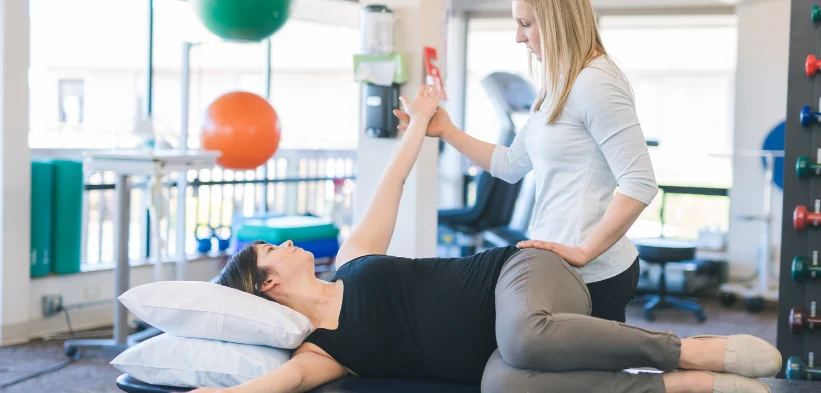
Physical therapy is a treatment approach that uses movement, exercise, and hands-on care. It addresses pain, and it focuses on strength, balance, and body mechanics. Since chronic pain can affect daily tasks, physical therapy gives people a structured way to manage limits and track progress. Here are some of the benefits of physical therapy to manage chronic pain:
Increased Mobility
Chronic pain leads to stiff joints and guarded movement. A physical therapist checks the range of motion, and they look for weak muscles or poor movement patterns. When pain changes the way you move, nearby tissues may tighten and add more strain.
Stretching and guided exercise are performed to help restore movement. Some plans include:
- Joint mobility work
- Strength training
- Walking drills
As each body responds differently, treatment plans are adjusted over time. A therapist may add balance work, and they may change exercise intensity as symptoms shift. Small gains in motion may make standing, walking, and reaching easier.
Improved Function
Function means how well you perform daily tasks. Pain affects lifting, and it may also limit sitting, bending, or climbing stairs. When movement becomes inefficient, routine activities often take more time and effort. Physical therapy targets those task limits with specific drills.
A therapist might practice sit-to-stand transfers, and they may train posture during work tasks. Since treatment matches real activities, the exercises often relate closely to daily needs. If certain actions trigger pain, therapists use those patterns to guide changes in form and pacing.
Reduced Pain
Pain reduction comes from better movement and stronger support around joints. Exercise helps, and manual therapy may also reduce stiffness in some cases. When muscles share load more evenly, painful areas may face less stress.
Therapists may use several tools during care. These include exercise, education, and hands-on treatment. Since chronic pain has many causes, a combined approach can be used.
Education also plays a direct role in pain management. A therapist explains pain triggers, and they teach ways to pace activity through the day. When people understand what increases symptoms, they can make safer movement choices.
Improved Quality of Life
Chronic pain affects sleep, work, and social activity. This approach addresses physical limits, and it may support better daily routines. Improved quality of life usually comes from small changes repeated over time. Better balance may lower fall risk, and stronger muscles may support longer activity periods. When daily movement feels more manageable, people can stay more engaged in normal routines.
- Improves flexibility to make everyday tasks easier.
- Builds strength in key muscle groups to better support joints and reduce strain.
- Enhances balance and coordination, helping to prevent falls.
- Encourages consistent, safe movement to rebuild independence.
Schedule Physical Therapy Sessions
Physical therapy offers a practical option for chronic pain management. It addresses mobility, and it supports function, pain control, and daily activity. Since chronic pain changes over time, regular sessions help guide safe adjustments. If chronic pain affects your routine, schedule a physical therapy evaluation. Ask about your movement limits, and discuss goals tied to daily tasks; a clear treatment plan gives you a starting point and a way to monitor progress.