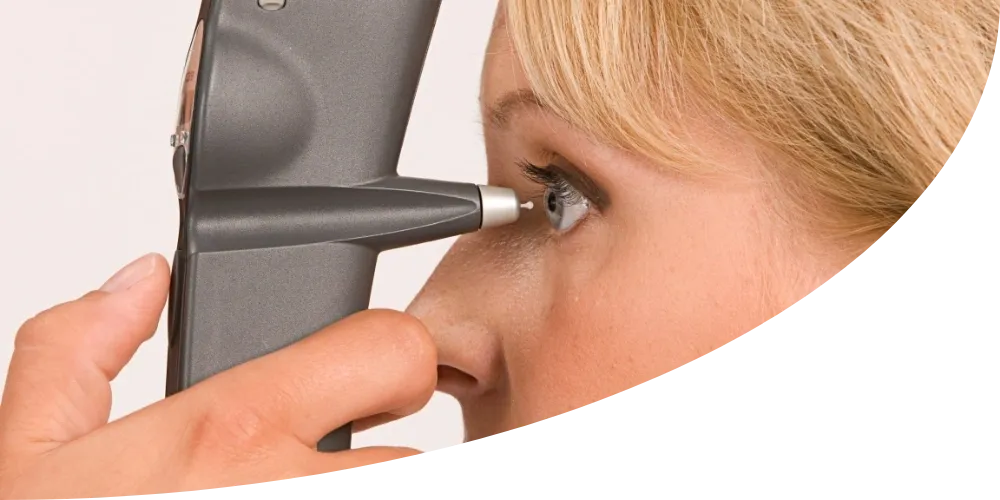
Glaucoma is a progressive eye disease that slowly destroys your optic nerve over many years. Because this condition causes irreversible damage, it leads to permanent blindness without prompt medical intervention. Many patients experience no early symptoms, so they miss the subtle warning signs completely. Here is more information on recognizing the early signs of glaucoma and how this condition impacts daily life:
Hidden Symptoms
When fluid builds up inside the eye, internal pressure rises to dangerous levels without any warning. Patients rarely notice the subtle physical changes during the very early stages of the disease. Glaucoma progresses quietly, and eye doctors may call it the silent thief. While you may feel completely fine, the hidden structural damage progresses steadily every day.
Routine exams detect the hidden problem early, or doctors measure the eye pressure during regular visits. Even though your eyesight seems normal, underlying nerve damage continues to worsen without any breaks. You need regular eye checkups to monitor your long-term optical health properly. The eye fluid fails to drain properly, and this sudden blockage increases intraocular pressure.
Blurry Vision and Halos
While sudden pain alarms you quickly, unexpected blurry vision also indicates an absolute medical emergency. You look at a street lamp, and colored halos block your sight almost immediately. If the sensitive cornea swells from high pressure, your vision becomes extremely cloudy and heavily distorted. Light scatters across the clouded lens, and normal visibility drops rapidly.
Peripheral Vision Loss
As the disease advances further along, you slowly lose your outer side vision over several months. Noticeable dark blind spots appear right at the outer edges of your entire visual field. People often trip over low objects, and they struggle to drive motor vehicles safely at night.
Because these blind spots form gradually, patients easily adapt to the missing visual information initially. Friends might notice your clumsiness before you realize anything has changed. You might bump into door frames frequently, or you might miss passing cars in heavy traffic.
Since the central vision remains sharp and clear, many patients ignore the fading outer peripheral edges. Extreme tunnel vision eventually develops during the much later stages of this progressive illness. The visual field may narrow drastically, and navigating simple daily tasks becomes a difficult physical challenge.
Severe Eye Pain
Acute glaucoma strikes very suddenly with extremely intense and painful physical symptoms. The eye hurts incredibly badly, and the internal pressure spikes dangerously high within a few hours. When you experience these fast optical changes, you need immediate medical help right away. Watch out closely for these rapid and alarming warning signs:
- Throbbing and unrelenting eye pain
- Severe headaches near the brow
- Nausea or sudden, intense vomiting
Get Treated for Glaucoma
Medical professionals offer prescription eye drops, or they perform targeted laser surgery procedures for patients. Since lost vision never returns to normal, early medical intervention prevents further physical deterioration. Effective daily treatment manages the underlying disease adequately for many affected individuals when it is performed correctly. Protect your remaining sight today, and call a local eye clinic to schedule an exam immediately.