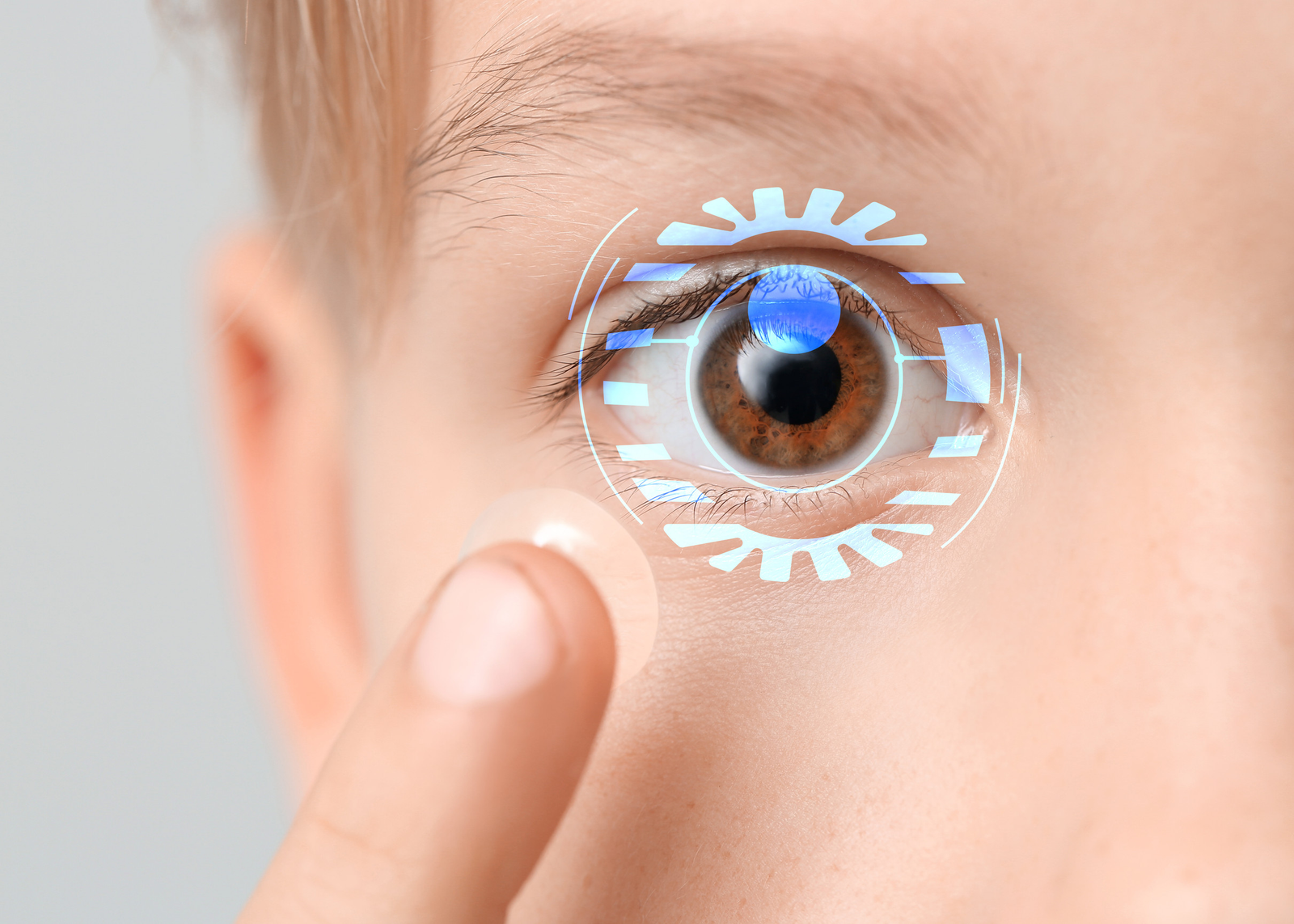
An eye exam is a significant first step for anyone deliberating on contact lenses. During the exam, an eye care provider assesses vision needs, eye health, and proper lens fit to reduce discomfort or irritation. Understanding why contact lenses begin with a proper eye exam can help patients choose lenses that support clear vision, comfort, and long-term eye health.
Reviewing Vision and Eye Health
The first phase of the clinical process for a contact lens is a comprehensive vision and eye health review. The optometrist assesses your overall eye health and identifies any underlying conditions. When the doctor performs this initial eye exam, they look for the following indicators:
- Visual Acuity Measurement: The doctor measures your current vision level to establish a baseline prescription.
- Corneal Evaluation: The practitioner examines the clear front surface of your eye to detect any irregularities.
- Tear Film Analysis: The optometrist assesses your tear production to make sure your eyes maintain sufficient moisture.
Completing this general health check provides the foundation for your contact lens prescription. The data from this eye exam guides the doctor’s next decisions, so they proceed with a clear clinical picture in mind.
Assessing Contact Lens Fit
A contact lens fit assessment measures the curvature of your eye. The doctor uses a device called a keratometer during the eye exam to map the surface of your cornea. Once the practitioner gathers these measurements, they calculate the exact base curve and diameter for your new lenses. Precise measurements are fundamental for optimal lens performance and safety. An ill-fitting lens causes severe friction, and it often leads to corneal abrasions. If the lens slides off-center, it obstructs your vision and creates a dangerous environment for your eye.
Pupil size and iris diameter also dictate the appropriate lens parameters. The optometrist records these dimensions under different lighting conditions, and they use this data to finalize the physical dimensions of the lens. Tear film evaluation plays a role in the fitting process as well. The doctor checks the volume of your tears, and they evaluate the evaporation rate on the ocular surface.
Checking Trial Lenses and Comfort
During the trial lens phase, the doctor tests the physical compatibility of the selected prescription. The doctor places a sample lens on your eye, and you wear it for several minutes. After the lens settles, the optometrist uses a slit lamp to observe the fit and movement. Proper lens movement allows oxygen and tears to circulate across the cornea. The practitioner checks for adequate coverage, and they verify that the lens centers correctly after a blink. Patients provide direct feedback about their physical comfort during this stage of the eye exam. Clinicians record your subjective experience, and they use this information to make adjustments.
Guiding Safe Wear and Care
The optical staff provides detailed guidance on safe wear and care before you leave the clinic. The team teaches you the exact process for insertion and removal and observes your technique. Here are some of the instructions specialists give to patients:
- Insertion and Removal: Staff members guide you through the physical steps for safely inserting and removing the lenses.
- Cleaning Protocols: The team explains how to use specialized solutions to disinfect your lenses overnight.
- Replacement Schedules: The clinician provides a strict timeline for discarding old lenses and opening new packages.
Adhering to these clinical guidelines is a key factor in preventing eye infections. Patients must follow the specific cleaning regimens, or they risk developing severe ocular complications.
Schedule Your Eye Exam Today
Adhering to proper contact lens care routines is not just about maintaining eye health; it also promotes long-term comfort and optimal vision quality. Patients should stay informed about advancements in lens technology, which may offer better options tailored to their needs. Contact a qualified optometrist near you to schedule your eye exam and discuss your lens options today.