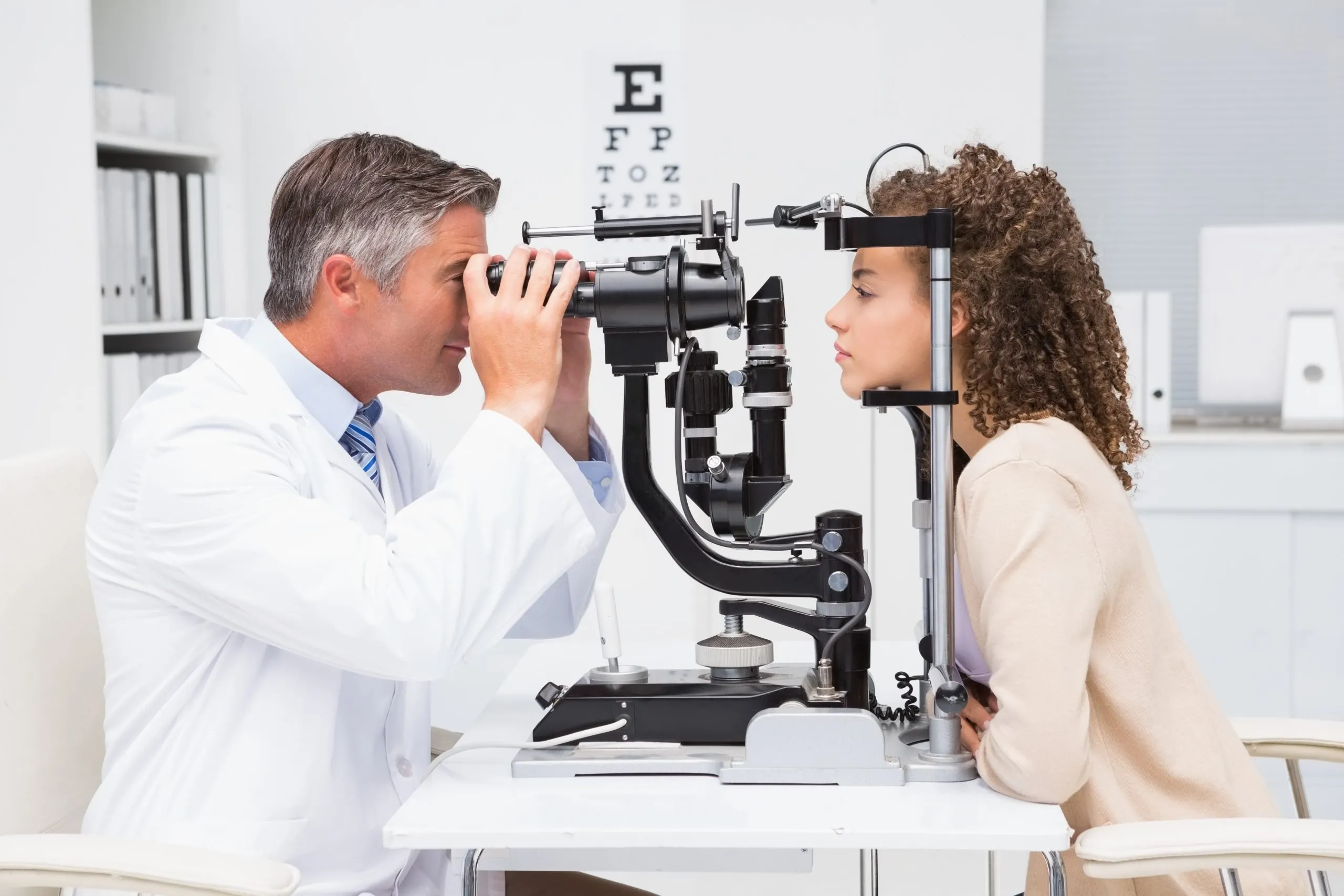
Eye exams assess changes in vision, screen for eye health concerns, and determine whether corrective lenses or further care may be needed. Preparing for your first appointment can make the visit more efficient and help your eye care provider understand your symptoms, medical history, and vision needs. Here is a closer look at how to prepare for your first eye exam:
Reviewing Vision and Health History
Your medical background gives the optometrist key context about your overall health. The clinic requires specific details about your past, and this data guides their diagnostic approach. When you arrive for your eye exams, the staff will review the following factors:
- Family history: Genetic predispositions indicate potential risks, and they help the doctor monitor specific conditions.
- Past surgeries: Previous medical procedures affect visual health, and you must report them accurately.
- Current symptoms: Note any recent changes in your vision, so the optometrist can target their testing.
- Systemic conditions: Diseases like diabetes affect the eyes and require specialized screening protocols.
Compiling this information beforehand saves time, and it allows the doctor to focus on the examination.
Sharing Medication and Lifestyle Details
Daily habits and prescriptions significantly influence your visual acuity. The doctor needs a complete list of your current medications, including over-the-counter supplements. Certain allergy pills cause dry eyes, which the optometrist will note in your file. While you may overlook vitamins, they interact with other drugs, so you must disclose everything you take.
Work environments also play a fundamental role in your eye health. Individuals who use computers constantly often experience eye strain, and they require specific ergonomic advice. If you work in hazardous conditions, the optometrist will recommend protective eyewear. Lifestyle factors dictate specific needs; you must describe your daily activities, and the doctor will tailor the eye exams and recommendations accordingly.
Exploring Eye Exams
Eye exams follow a standardized sequence. The staff uses specialized equipment, and they measure various aspects of your visual function. Here are some of the procedures patients can expect during an eye exam:
- Visual acuity testing: You will read letters from a chart, and this determines your basic prescription needs.
- Refraction assessment: The doctor uses different lenses to refine your vision and determine the exact correction required.
- Eye pressure measurement: This test screens for glaucoma and remains a key step in preventive care.
- Retinal examination: The optometrist inspects the back of your eye, and they check for internal abnormalities.
The eye doctor will explain each step, and you can ask questions during the process.
Planning Follow-Up Care
Discussions after your eye checkup will outline your ongoing treatment requirements. The optometrist will analyze the test results and develop a specific care plan. If you need corrective lenses, the staff will help you select them. The doctor will schedule your next routine visit, so you can maintain consistent monitoring of your visual health.
Patients must strictly adhere to the prescribed recommendations. If the doctor suggests specific eye drops, you must apply them as directed. While minor issues often resolve quickly, chronic conditions require ongoing management, and you must attend all future appointments.
Schedule Your Eye Exams Today
Maintaining optimal eye health requires proactive measures, including regular eye exams, adherence to prescribed treatments, and diligent care of corrective lenses. Addressing minor issues promptly and managing chronic conditions effectively are fundamental for long-term visual well-being. Contact a qualified optometrist in your area to schedule your eye exams today.