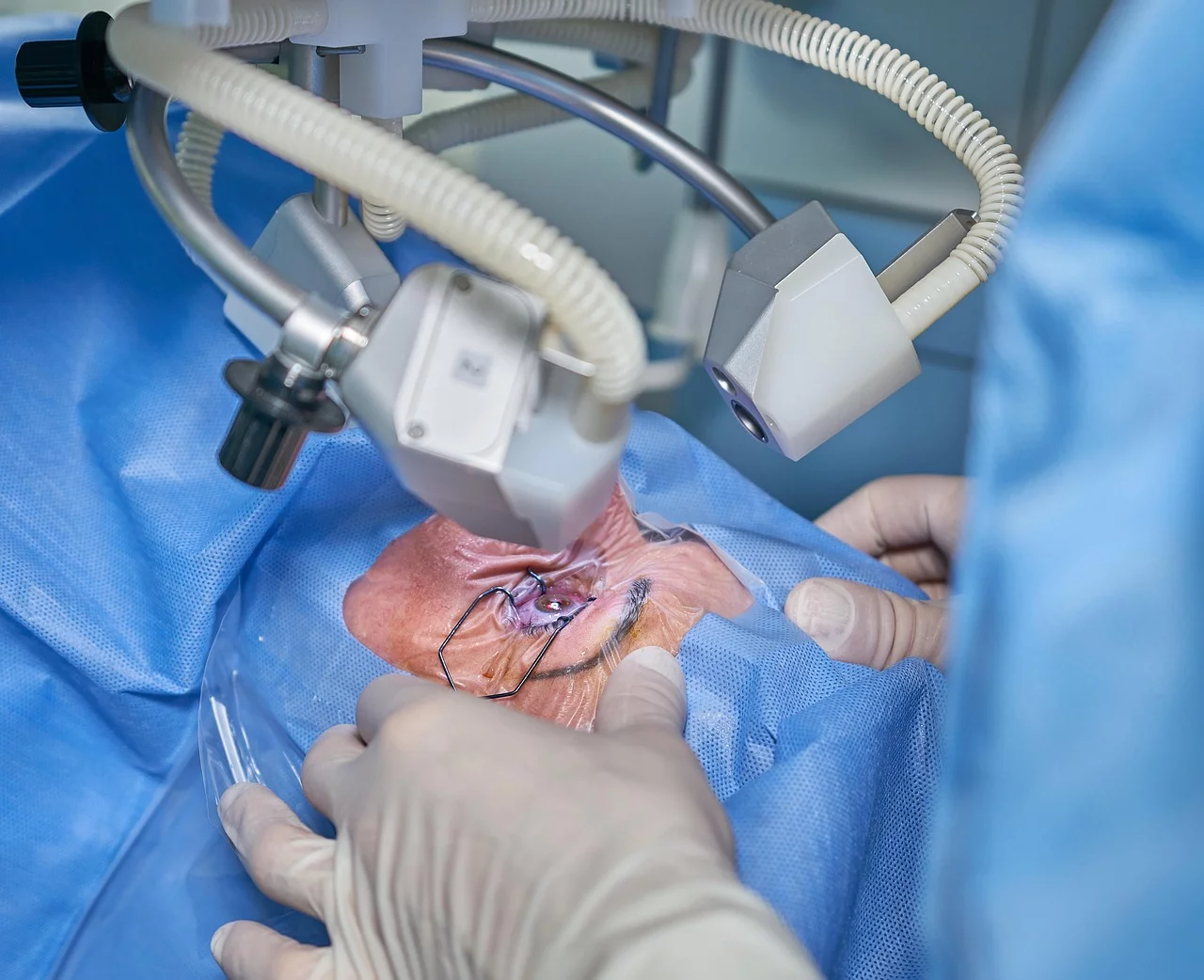
LASIK, which stands for Laser-Assisted In Situ Keratomileusis, is a refractive surgery designed to correct common vision problems. It primarily treats conditions like myopia (nearsightedness), hyperopia (farsightedness), and astigmatism. For many individuals, this procedure offers a viable way to reduce their daily dependence on corrective eyewear, but LASIK surgery is only an option under specific circumstances. Ideal candidates must have a stable vision prescription for at least one year and generally healthy eyes. They also ought to be free of any underlying conditions that might complicate healing.
What is LASIK Surgery?
To determine if this procedure is a logical step for your vision needs, it helps to understand how it works. During LASIK surgery, an eye care professional uses a specialized laser to precisely remove microscopic amounts of corneal tissue. The laser reshapes the clear tissue at the front of the eye, and this process changes how light focuses on the retina. This reshaping helps the eye focus light more accurately, which is the mechanism behind clearer vision. The procedure is typically performed on an outpatient basis. Professionals prioritize your comfort during the process by using numbing eye drops. While the steps are straightforward, a thorough evaluation by an eye care professional is mandatory to map the unique shape of your eye and determine your specific anatomical needs.
Who Benefits from LASIK Surgery?
LASIK is suitable for many adults seeking another approach to their vision care, but it is not a universal solution. Eye care professionals evaluate several factors to determine whether you are a good candidate for the procedure. This careful evaluation confirms that you receive recommendations that are safe, appropriate, and tailored to your unique vision needs. You may benefit from this surgery if you meet the following general criteria:
- Age requirements: Candidates generally ought to be at least 18 years old, as vision tends to fluctuate more frequently during earlier developmental years.
- Stable prescriptions: Your vision prescription is unchanged for 12 months prior to the procedure.
- Adequate corneal thickness: Because the procedure removes a small amount of tissue, you must have enough corneal thickness to undergo the reshaping process safely.
- Overall eye health: You ought to be free of active eye infections, severe cataracts, or glaucoma.
Many individuals achieve clear vision after the procedure, but some people may still need glasses for reading. Understanding these potential outcomes helps set realistic expectations for your post-surgery vision. Results may differ based on your age, overall eye health, and the type of refractive error being corrected.
Who Should Avoid LASIK Surgery?
Just as there are specific criteria for good candidates, there are also clear reasons why someone might not be suited for this procedure. Certain health conditions can interfere with the healing process, so doctors often recommend alternative options for these individuals. Not every patient will be eligible for LASIK.
Avoid this specific surgery if you experience any of the following:
- Severe dry eye syndrome: The procedure can temporarily exacerbate dry eyes, making it unsuitable for those already struggling with a severe form of this condition.
- Autoimmune diseases: Conditions like rheumatoid arthritis or lupus can impede your body’s ability to heal properly after the surgery.
- Keratoconus: This is a progressive eye condition where the cornea thins and bulges outward into a cone shape, leading to distorted vision and increased sensitivity.
- Extremely high refractive errors: Individuals with exceptionally high levels of nearsightedness or farsightedness may not achieve optimal results with this method.
Ask About LASIK Surgery Today
The best way to know if this procedure aligns with your specific needs is to schedule a comprehensive consultation with an eye care professional. They will measure your corneal thickness, map your eye structure, and review your complete medical history. Gather any questions you have about your current vision challenges or the recovery timeline. Reach out to a qualified vision specialist to evaluate your eyes, and you can explore whether this treatment option makes sense for you.