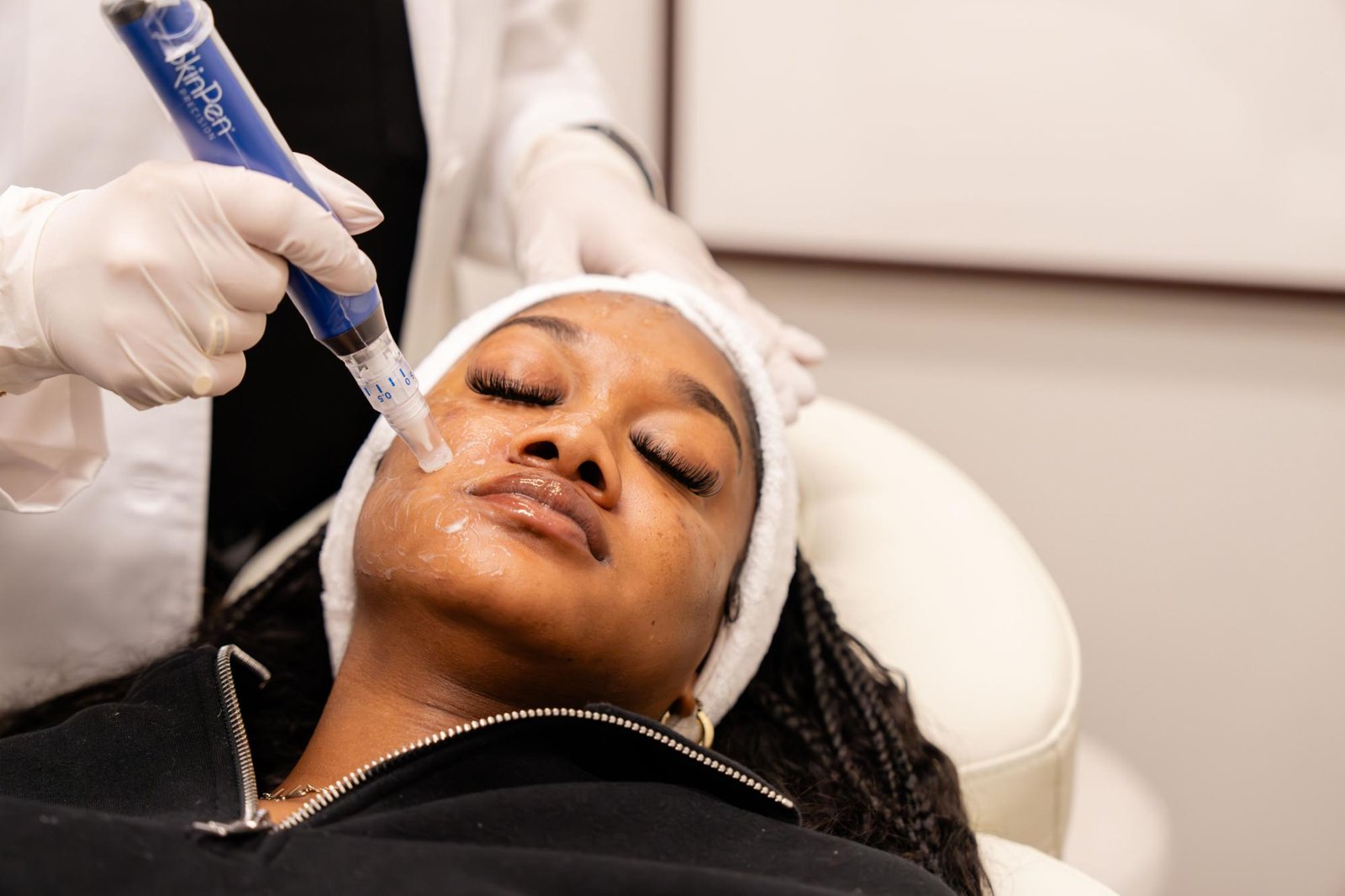
Microneedling involves rolling fine needles across the surface of the skin, and it is used to trigger collagen production and improve skin. Because the process creates microscopic punctures, the human body triggers a natural healing response. Dermatologists offer this specific treatment globally, and many specialized clinics perform it regularly. This is how microneedling compares to other similar skin treatment approaches:
Microneedling vs. Dermaplaning
Dermaplaning uses a surgical scalpel to gently scrape away the top layer of dead skin cells and fine hair, also known as “peach fuzz.” This procedure is non-invasive and typically doesn’t require any downtime, but you might notice some slight redness immediately after. It provides one approach to skin care.
While dermaplaning is generally safe for most skin types, its primary focus is on exfoliation and removing hair from the surface. Microneedling works deeper by creating micro-injuries in the skin to stimulate collagen production. Since dermaplaning doesn’t puncture the skin, it doesn’t carry the same collagen-boosting benefits as microneedling, but it offers a quick way to achieve a smoother, brighter complexion.
Dermaplaning is used to:
- Reduce the appearance of acne scars and fine lines.
- Improve skin texture and tone for a smoother appearance.
- Minimize the look of sun damage and hyperpigmentation.
- Encourage the growth of new, healthy skin cells.
- Provide a fresh, rejuvenated complexion over time
Microneedling vs. Chemical Peels
Chemical peels use strong acid solutions, and they aim to remove the top layer of skin. The typical peeling process targets surface discoloration directly. While chemical peels strip away outer tissue completely, microneedling penetrates the tissue without removing it. Both options address texture, but they operate through completely different mechanisms.
While peels come in light and deep variations, the expected recovery times vary widely. Light peels require little downtime, but deep peels require weeks of strict daily aftercare. Microneedling may cause mild and temporary redness. Unless you choose an aggressive peel, the recovery periods remain comparable.
Different human skin types react differently to chemical acids. If you have darker skin, deep chemical peels may pose a higher risk of permanent discoloration. Microneedling skips harsh chemicals entirely, so doctors may recommend it for diverse skin tones. Consult a professional about your specific skin tone.
Microneedling vs. Laser Resurfacing
Laser treatments utilize highly concentrated light beams. Ablative lasers remove thin skin layers, and non-ablative lasers heat the underlying tissue directly. Since intense lasers generate significant heat, the treated areas need substantial healing time afterward. Clinics evaluate skin thickness before starting.
This may involve these approaches:
- Lasers focus on specific, isolated targets.
- Practitioners require protective eyewear during sessions.
Unlike laser treatments, microneedling relies on tiny, sterile needles to create micro-injuries in the skin, triggering natural healing and collagen production. This procedure is used for its minimal downtime. While both methods aim to improve skin texture and reduce scars, microneedling is a gentler option that avoids the risks of heat damage.
Schedule Microneedling Treatment
Before you book an appointment, a licensed dermatologist reviews your complete medical history. Clinics evaluate your specific physical needs, and staff members discuss the timeline with you. Professionals prepare the treatment area meticulously. When you decide on a plan, call a dermatology clinic to schedule your initial consultation.