Choosing the right CPAP clinic can help patients receive proper sleep apnea support, equipment guidance, mask fitting, and ongoing care. A reliable clinic can also assist with therapy adjustments, comfort concerns, and long-term treatment compliance. Here are key factors to evaluate when choosing a CPAP therapy clinic for your needs:
Evaluating Sleep Care
A fundamental part of your treatment at a CPAP clinic involves a thorough sleep care evaluation. Here is what patients can expect:
- Diagnostic testing: Clinics offer various sleep disorder tests, and home sleep tests are frequently used to gather initial patient data.
- Condition identification: Doctors distinguish between obstructive sleep apnea, central sleep apnea, and complex sleep apnea syndrome.
- Treatment planning: The on-site clinical sleep educator monitors the case details to develop a personalized strategy.
Evaluating these elements allows the medical provider to tailor the most appropriate breathing solution for your specific condition.
Supporting Mask and Equipment Use
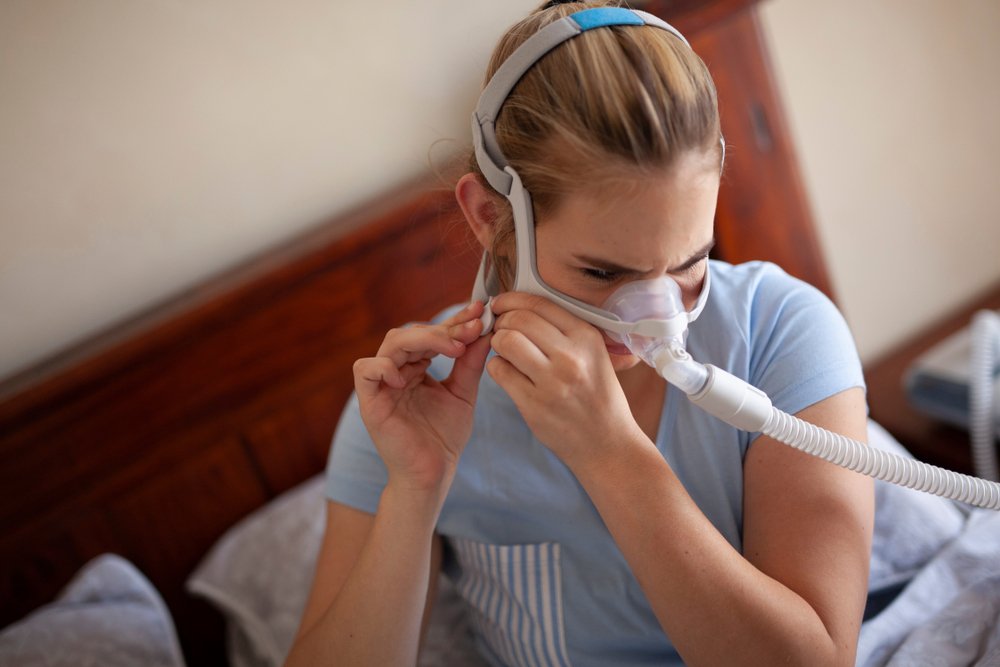
A proper facility provides direct access to the required respiratory hardware. The CPAP clinic supplies the actual machine and also provides the nasal pillows, full face masks, and connecting tubing. Patients have varying facial structures, so the clinic should offer multiple mask styles to fit different individuals correctly. Proper sizing prevents air leaks during the night, and it makes the physical hardware much more tolerable for the user.
Selecting the correct accessories remains a key part of the adaptation process. Some patients may require heated tubing to prevent moisture buildup, and a well-equipped clinic should have these items. The medical team helps the patient assemble the components, thereby reducing early-use errors at home.
Monitoring Therapy Progress
Medical supervision extends beyond the initial equipment setup. Once you start therapy, your provider at the CPAP clinic monitors your progress to verify that the treatment is working effectively. The latest machines can transmit usage data directly to the doctor, and this information reveals lingering breathing disruptions. Regular follow-up appointments provide an opportunity to adjust the pressure settings, as patient needs often change over time.
Continuous monitoring identifies mechanical issues before they compromise the patient’s health. If the mask leaks excessively, the machine will fail to deliver the prescribed air pressure. The clinical sleep educator reviews the data logs, and they contact the patient to correct the fitment problems.
Improving Patient Education and Access
Access to resources and proper education remain key factors in successful therapy. Here’s how a CPAP clinic improves patient education:
- Device operation: The sleep educator explains how the continuous positive airway pressure system keeps the airways open.
- Routine maintenance: Clinical staff instructs users on the proper cleaning protocols for masks and water chambers.
- Telehealth options: Some clinics now offer virtual appointments for routine check-ins and troubleshooting.
Learning about these aspects helps patients maintain their equipment and achieve a good night’s rest.
Schedule Your CPAP Clinic Appointment
Choosing a CPAP clinic requires a careful review of their diagnostic procedures, equipment inventory, and ongoing monitoring protocols. The facility should offer specialized expertise to treat complex breathing disorders effectively; prioritize clinics that provide dedicated on-site educators and comprehensive follow-up care. Choose a trusted CPAP therapy clinic near you and schedule an evaluation appointment to improve your nighttime breathing today.