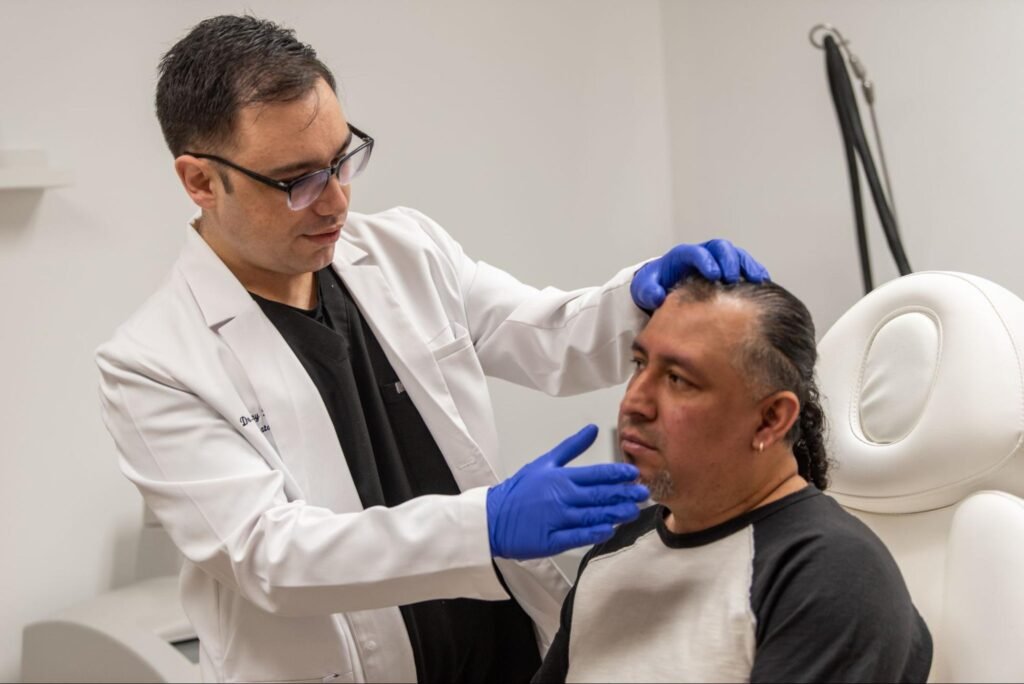
Regular check-ups in primary care are routine visits that support the organization of ongoing care. They provide dedicated time to review medical history, update records, and address current concerns. These visits also allow providers to evaluate broader health patterns rather than isolated issues. This comprehensive perspective can strengthen continuity, and it promotes more coordinated and efficient care delivery. Here are several benefits of regular check-ups:
Providing Preventive Care
Routine check-ups help keep preventive care on schedule. During these visits, providers review age-based screenings, vaccination status, and other routine health needs. This process creates a clear tracking system; it shows what is complete and what needs attention next. Routine visits create a documented record of past services and future needs, making it easier to manage preventive care.
Updating Health History and Medications
Regular primary care visits provide dedicated time to review and update both personal and family health history. This process includes documenting past illnesses, surgical procedures, current medications, and changes in overall health patterns. It also incorporates relevant family history to guide more focused clinical evaluation when appropriate. Consistent updates enhance the accuracy and usefulness of the medical record. Changes that appear minor initially may become clinically significant over time. Routine visits make sure these details are clearly documented and readily accessible for future care decisions. Accurate records can improve continuity, and they support more efficient and informed follow-up during subsequent appointments.
Medication review is another key component of routine check-ups. Providers may evaluate prescription medications, over-the-counter products, and dietary supplements; they also confirm dosages and document any recent changes. This process maintains an up-to-date medication list, reducing the risk of potential adverse drug interactions. Thorough documentation reduces the risk of duplicate or outdated information. An accurate medication list is particularly valuable for patients receiving care from multiple providers; it facilitates coordination across clinical settings while improving the consistency of care over time.
Managing Ongoing Concerns
Regular check-ups help address ongoing concerns that do not require urgent care. Possible topics include:
- Sleep patterns
- Blood pressure readings
- Weight changes
- Digestive issues
- Recurring symptoms
A routine visit gives these issues a clear place for discussion, and it helps prevent them from being missed. Primary care works well with continuity, as each visit adds useful context. Instead of starting over every time, the provider can compare current details with past notes. This comparison supports follow-up and helps keep long-term care more consistent.
Supporting Specialist Referrals
Primary care check-ups can support coordination across the healthcare system. When a referral is needed, the provider is able to document the reason and share relevant records. The office may also track follow-up; this helps connect different parts of care. Referrals extend beyond appointment scheduling and sometimes require supporting documentation such as laboratory results, imaging reports, and summaries from prior visits. Primary care teams can organize and maintain these records to support more efficient and coordinated care across settings.
Organizing Future Care
Regular check-ups support proactive planning for future care needs. Providers review lifestyle factors and routine testing schedules based on age and medical history; this individualized approach reinforces continuity of care rather than a series of isolated visits. Advance planning can also improve visit efficiency and clarity. Defined next steps establish what to monitor and when to follow up. A structured approach supports a more consistent and coordinated care plan over time.
Visit a Primary Care Provider
Primary care records document patterns, timelines, and changes over time; they provide a clear foundation for future decision-making. Details that appear minor initially may also gain clinical relevance later. With regular check-ups, you can strengthen preventive care, improve documentation, and support coordinated follow-up across health needs. Contact a primary care provider today to schedule an appointment.