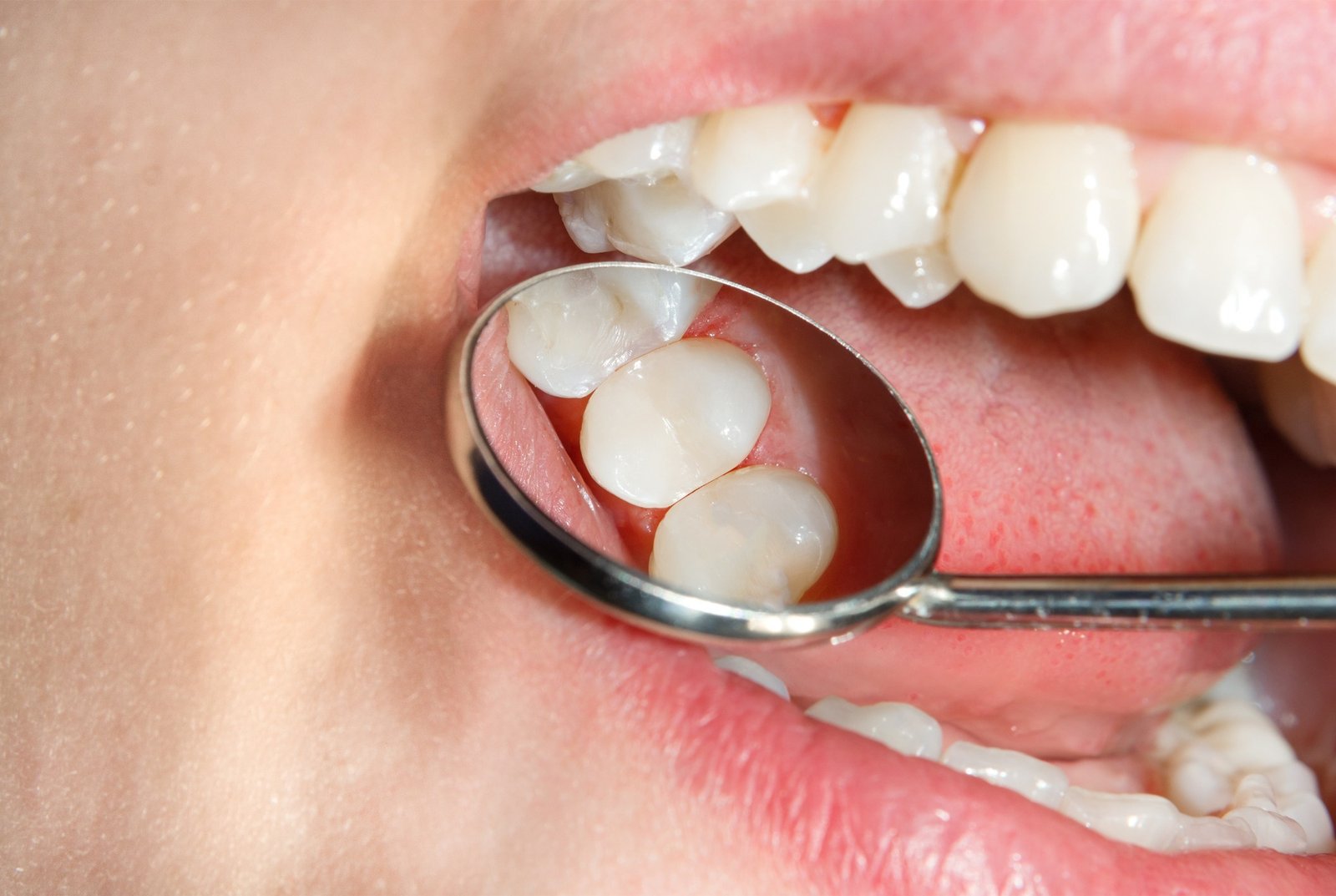
Dental fillings are restorative materials placed into a tooth after decay has been removed. A cavity forms when bacteria produce acids that break down the hard outer surface of a tooth, and a filling restores the lost structure. Dentists use materials such as composite resin, amalgam, gold, or porcelain to fill the gap left by the cavity. The choice depends on the location of the damage, the extent of decay, and the preferences of the patient.
Removing Affected Enamel
A filling procedure begins with the removal of decayed material from the tooth. The dentist examines the surface, identifies the damaged region, and then clears away the softened enamel with a small drill or laser. This step stops the decay from spreading into healthy parts of the tooth, reducing the chance that other teeth will be infected. The cleaned space is then ready for the restorative material.
Decay that remains in place continues to break down the tooth structure over time. Once the affected enamel is removed, the dentist disinfects the open area to reduce bacteria, and the surface is prepared for bonding. A clean cavity allows fillings to adhere properly. This careful preparation forms the base of a lasting repair.
Strengthening Weakened Teeth
A tooth weakened by decay loses some of its ability to withstand daily chewing forces. The filling material fills the open cavity, and it bonds to the surrounding tooth to restore a solid form. Composite resin, placed within the drilled gap, hardens under a curing light. This process rebuilds the chewing surface into a single, stable unit.
The restored tooth regains much of its original strength after the material sets. Because the filling integrates with the natural structure, the tooth distributes pressure more evenly across its surface. A dentist then shapes and polishes the material to match the bite, and many fillings are not noticeable. This final step reduces stress on the repaired area during normal use.
Protecting Interior Tissue
Beneath the hard outer layers of a tooth sits the pulp, a soft tissue that contains nerves and blood vessels. When decay reaches deep into the tooth, the pulp becomes exposed to bacteria and temperature changes, causing pain and discomfort in the patient. A filling seals the opening, and this barrier keeps harmful material away from the sensitive interior. The seal lowers the risk of infection inside the tooth.
Exposed pulp often causes sharp pain in response to hot or cold foods. The filling blocks these triggers from reaching the nerve, and the discomfort tends to decrease after treatment. A sealed cavity also limits the entry of new bacteria, protecting the interior of the tooth. This protection helps maintain the health of the deeper tissue.
A well-placed filling closes the pathway that decay creates through the enamel and dentin. The dentist checks the margins of the restoration to confirm a tight fit against the natural tooth, since a tight fit protects the tooth. Gaps along the edge can allow bacteria to slip beneath the filling, and regular dental checkups let a professional spot these gaps early.
Discuss Fillings With a Dentist
Fillings address decay in the enamel of a tooth, and the right approach depends on the condition of the tooth. A dentist evaluates the size of the cavity, the location of the damage, and the most suitable material for the repair. Early evaluation supports better outcomes for affected teeth. Schedule an appointment with a dental professional to discuss treatment options and find the approach that fits a specific situation.