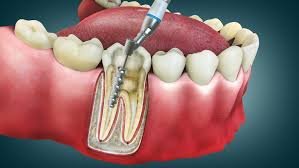
Endodontists treat problems inside the tooth, and they focus on the pulp, roots, and nearby tissue. You may see one after deep decay, repeated dental work, or a tooth injury. Since they use advanced imaging and fine tools, they address issues that general dentists may refer out. Here is how an endodontist can address pain, infection, and structural damage to save a natural tooth:
Completing Root Canals
When pulp tissue becomes inflamed or infected, an endodontist removes it and cleans the root canals. The dentist then shapes the space, and a filling material seals the canals. Since bacteria can reach the pulp through cracks, decay, or leaking fillings, treatment targets both the source and the inside of the tooth.
A root canal typically follows a clear sequence, and each step has a specific goal:
- Numbing the area locally
- Isolation with a dental dam
- Cleaning and shaping
- Sealing the canals
Managing Trauma
A blow to the mouth may crack a tooth, loosen it, or cut off its blood supply. Quick evaluation matters, and timing affects what treatment fits the injury. Since some damage hides below the gums or inside the root, imaging helps show the full extent.
Children and teens may injure front teeth during sports, but adults also face falls and accidents. Some teeth shift position. If a tooth gets pushed, displaced, or knocked loose, the endodontist checks the pulp response and root stability.
In some injuries, the tooth looks normal at first, and symptoms appear weeks later. Follow-up visits track changes. Since trauma may interrupt root development in younger patients, treatment may differ from care for a fully formed adult tooth.
Performing Surgery
Some infections stay near the root tip, and nonsurgical treatment may not reach them. Endodontic surgery addresses that area directly. When this happens, the endodontist may remove the root tip and place a small filling.
A typical surgical visit includes a few main steps, and the process is planned based on imaging findings. They may:
- Examine the root end
- Remove inflamed tissue
- Seal the root from the tip
Since nearby anatomy varies, the specialist studies the tooth position before treatment. If a molar sits near a sinus or nerve canal, planning guides the safest path to the root end.
Providing Retreatments
A treated tooth may develop new decay, a missed canal, or a failing restoration. In those cases, retreatment removes the old filling material and re-cleans the canals. Since tooth anatomy varies, extra magnification helps locate spaces that were not addressed before.
The visit typically starts with imaging, and the endodontist checks the crown, root shape, and bone around the tooth. Retreatment takes time. If a post or complex restoration blocks access, the plan may change based on the remaining tooth structure.
Schedule an Endodontist Visit
If you have lingering tooth pain, swelling, or sensitivity after an injury, schedule an evaluation. Early diagnosis supports clearer treatment planning, and it may limit further breakdown. As symptoms do not always match the amount of damage, an exam and imaging give better answers than waiting. Contact an endodontist today to discuss your symptoms and book a visit.