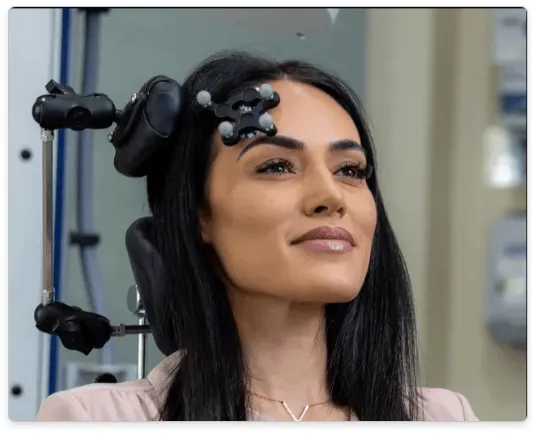
Transcranial magnetic stimulation (TMS) is a noninvasive treatment that uses magnetic pulses to stimulate targeted areas of the brain; it does not involve surgery. In psychiatry, TMS treatments are used when an individual’s symptoms have not improved enough with standard treatment approaches. Here’s information on transcranial magnetic stimulation treatments and who they may benefit:
Treating Certain Disorders
TMS is sometimes recommended for treatment-resistant mental disorders, including depression, bipolar disorders, and obsessive-compulsive disorder. For mental health conditions, “treatment-resistant” generally means symptoms have continued despite appropriate use of other treatments, including medications and therapy. TMS is not the first option offered, but it may become a treatment option when someone’s symptoms remain disruptive.
Obsessive-compulsive disorder (OCD) can affect many parts of an individual’s daily life. People with OCD can experience intrusive thoughts, repeated fears, or urges that are difficult to control. They often feel driven to perform rituals or repetitive behaviors to reduce mental distress, and their symptoms can interfere with:
- School
- Sleep
- Overall Quality of Life
Some people spend large parts of the day managing obsessions and compulsions, so routine tasks may get interrupted or prolonged.
OCD commonly also affects someone’s social and work relationships. A person may avoid places, delay responsibilities, or struggle to complete simple decisions. Over time, this pattern can reduce independence and limit normal function. When symptoms persist despite standard care, a psychiatrist may evaluate whether TMS is an appropriate management option.
Stimulating Nerve Cells
Transcranial magnetic stimulation works by delivering magnetic pulses to specific brain regions involved in mood, behavior, and thought patterns. These pulses stimulate nerve cells, and the goal is to influence activity in circuits associated with psychiatric symptoms. For individuals with OCD, treatments aim to target brain networks linked to obsessive thoughts and compulsive behaviors.
This does not mean TMS cures OCD, but it can be used to reduce symptom severity in some patients as part of a larger treatment plan. A specialist evaluates an individual’s medical history, current symptoms, and prior treatment response before recommending this approach, as not every person is an appropriate candidate.
TMS is typically performed in an outpatient setting. During a session, the patient sits in a treatment chair while a device is placed near their scalp. The magnetic pulses are brief and repetitive, and the settings are adjusted based on individual needs. Patients commonly remain awake during treatment, but anesthesia may be necessary in some cases.
Restoring Function
Treatment sessions typically happen five days every week over a six-week period, as TMS requires a series of visits to be effective. The exact time this procedure can take varies by protocol and clinical setting. At the start of care, the provider explains the treatment schedule, expected steps, and what the patient may notice during treatment.
During a session, many people describe a tapping sensation on the scalp during the session, but experiences can differ from person to person. Follow-up visits are used to monitor symptoms and review progress throughout the treatment period. The purpose of this treatment process is to support better day-to-day function. When OCD symptoms are less disruptive, some people may find it easier to manage their routines, responsibilities, and social interactions.
Contact a TMS Specialist Today
Transcranial magnetic stimulation is one option that may be recommended for obsessive-compulsive disorder when symptoms are continually difficult to manage. To learn more about your treatment options, contact a psychiatrist to schedule a consultation. A specialist can provide individualized guidance, assess your health, and determine if treatments like TMS are appropriate.