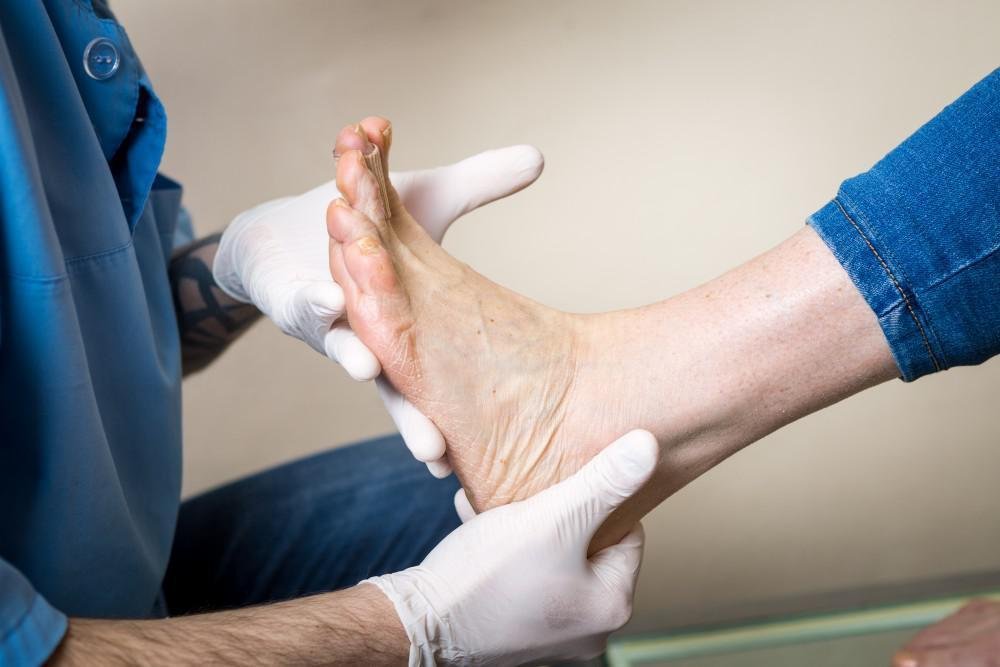
Along with blood sugar monitoring and routine checkups, foot care can play a key role in diabetes management. Podiatry is the area of healthcare that focuses on the feet, ankles, and lower limbs. Professionals in this field offer regular exams to help protect foot health over time; they also track patterns and provide guidance for day-to-day care. This connection matters because diabetes may affect the skin, circulation, and nerve function in the feet. Here’s more information about the connection between podiatry and diabetes management:
Understanding the Podiatrist’s Role
A podiatrist evaluates foot structure, skin condition, nail health, and pressure points. In diabetes management, this often involves routine exams and ongoing observation rather than treatment for a single issue. The goal is to monitor changes over time and support a consistent care routine. A podiatrist may assess:
- Dry skin
- Thickened nails
- Calluses
- Changes in foot shape
Specialists evaluate areas of friction caused by footwear or walking patterns. They may also check circulation and sensation in the feet to identify early signs of nerve or vascular changes. These details help build a clearer picture of foot health over time, and they make podiatry a key part of structured diabetes care.
Exploring Foot Changes
Diabetes-related foot conditions have an increased risk of infection, so problems like cuts, calluses, and ingrown toenails require additional attention. Some issues may seem minor on the surface, but tracking them closely and treating issues early helps prevent complications. A podiatrist documents what the feet look like from one visit to the next. This record supports follow-up and helps identify patterns. It also gives patients and healthcare teams a better way to review whether daily habits, footwear, or hygiene practices would benefit from a change.
Reviewing Skin and Nail Care
Skin and nail care is one of the most visible parts of podiatry. During a visit, a podiatrist may trim nails, reduce thickened skin, and examine areas that show dryness or cracking. This type of care focuses on safe maintenance and careful review.
Home care is also significant. Patients may be advised to keep their feet clean and dry, avoiding excess moisture between the toes. Simple habits help promote healthy skin and nails when done consistently, and straightforward guidance keeps the routine manageable.
Exploring Daily Monitoring Habits
Daily foot checks are a regular part of diabetes management. Looking at the feet each day helps identify visible differences, such as:
- Cuts
- Redness
- Swelling
- Blisters
- Nail changes
When a person builds this habit into a daily routine, changes can be easier to spot. Podiatry visits support this process with a more detailed review. A podiatrist may assess temperature, skin texture, and general foot structure during an exam. These checks add another layer of monitoring; they function alongside home observation to provide a more complete picture of foot health.
Understanding Footwear and Support
Tight shoes, loose shoes, rough seams, and worn soles may increase rubbing or pressure on the feet. Podiatrists often review footwear during diabetes-related appointments. This step may include assessing fit through the toe box and heel and looking for signs of rubbing or uneven wear. Small changes in footwear help improve protection during daily activity, and they enable you to reduce avoidable friction.
Learn More About Podiatry Services
Podiatry specialists support foot health by offering regular evaluations and guidance for those with diabetes. They can help monitor changes, manage skin and nail care, review footwear, and reinforce prevention strategies within diabetes management. Schedule an appointment with a qualified podiatrist today for ongoing monitoring and to strengthen your foot care routine.