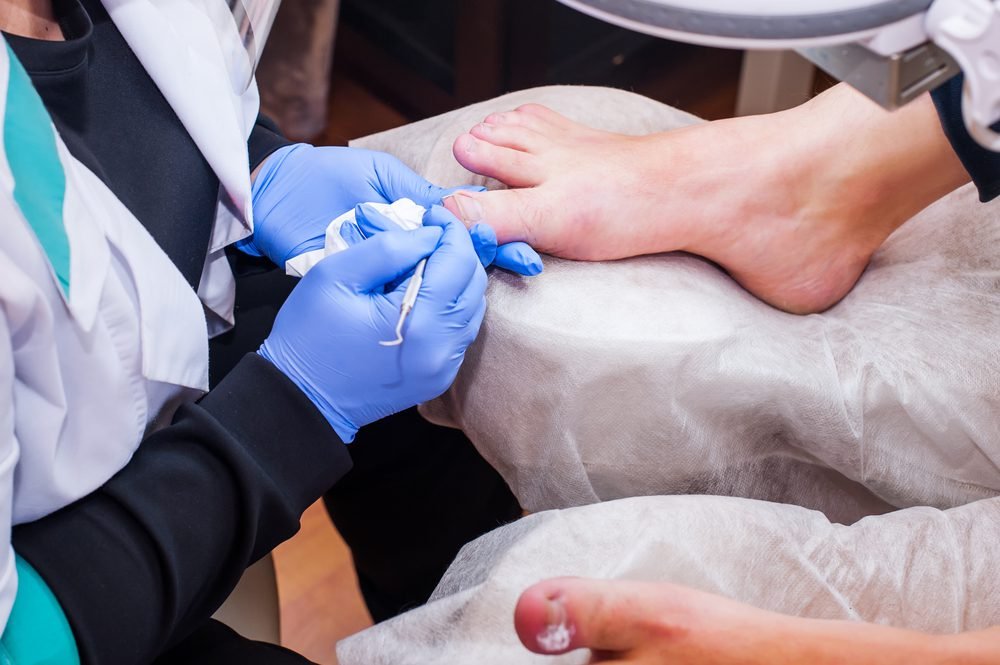
Sports activities place stress on the human body, and foot injuries may occur. Patients benefit from seeking specialized medical care to address these specific issues. A targeted approach promotes faster healing, which helps reduce the risk of future complications. Here is more information on the role of a podiatrist in treating athletic foot and ankle conditions:
What Is a Podiatrist?
A podiatrist is a medical professional who specializes in diagnosing and treating conditions of the foot, ankle, and lower extremities. Patients can visit these specialists for a wide range of issues, ranging from minor structural problems to severe trauma. A podiatrist provides comprehensive lower-limb care, and they may work alongside other healthcare providers to deliver coordinated treatment.
What Services Do They Offer?
Podiatrists provide conservative treatments, and they perform surgical procedures when necessary. They prescribe orthotics to correct biomechanical imbalances, and they administer platelet-rich plasma (PRP) injections to reduce local inflammation. Diagnostic imaging is another standard service, with professionals using X-rays or MRIs to visualize internal structures. These specialized clinical services address immediate pain and underlying mechanical issues.
These specialists may conduct detailed biomechanical assessments to identify gait abnormalities. They use advanced diagnostic imaging, and they review X-rays to locate bone fractures. Physical therapy recommendations are often provided, helping to restore strength in affected limbs. Podiatrists tailor these interventions to each specific patient.
What Are Sports Injuries?
Sports injuries are physical injuries sustained during athletic participation or exercise. They primarily affect the musculoskeletal system, and they often involve bones, ligaments, tendons, or muscles. Common examples include ankle sprains, plantar fasciitis, Achilles tendinitis, and stress fractures. These injuries disrupt normal physical activity, requiring proper medical evaluation for full recovery.
What Causes Them?
Athletic injuries often stem from acute trauma or develop gradually through repetitive stress. Acute injuries occur during sudden impacts, such as awkward landings or direct collisions, causing immediate pain. Overuse injuries result from repetitive strain, and they may affect runners and other high-impact athletes. Improper footwear and poor training techniques also contribute to these structural conditions.
Biomechanical flaws create uneven pressure distribution, and this localized stress leads to tissue breakdown over time. Patients with flat feet or high arches face specific biomechanical risks. Training on hard surfaces increases the demands on shock absorption, which accelerates structural wear. Identifying the exact cause dictates the treatment, and it guides the preventive strategy.
How Are They Managed?
Management begins with a thorough clinical examination, and the podiatrist reviews the patient’s medical history. The initial phase may focus on reducing pain and inflammation through rest, ice, compression, and elevation. Practitioners may immobilize the affected area, and they use specialized braces for support. This primary intervention limits tissue damage.
The subsequent management phase targets functional restoration and mechanical correction. Podiatrists prescribe physical therapy exercises to rebuild strength, and they recommend custom orthotics to correct structural deficits. The gradual return to activity is monitored, with patients potentially receiving guidelines to avoid reinjury. Clinical management relies on adherence to the prescribed medical protocol.
Advanced therapies offer additional recovery options for severe cases, necessitating a careful evaluation. Platelet-rich plasma injections concentrate healing factors, and practitioners deliver these directly to the damaged tendon. Surgical repair remains the final option for fully ruptured ligaments.
Schedule an Appointment Today
Podiatrists offer precise medical care for athletic injuries affecting the lower extremities. They identify the root cause of the damage, and they implement structured treatment plans to facilitate recovery. Delaying medical evaluation can worsen structural damage or lead to chronic pain conditions. Contact a local podiatry clinic to discuss your symptoms.