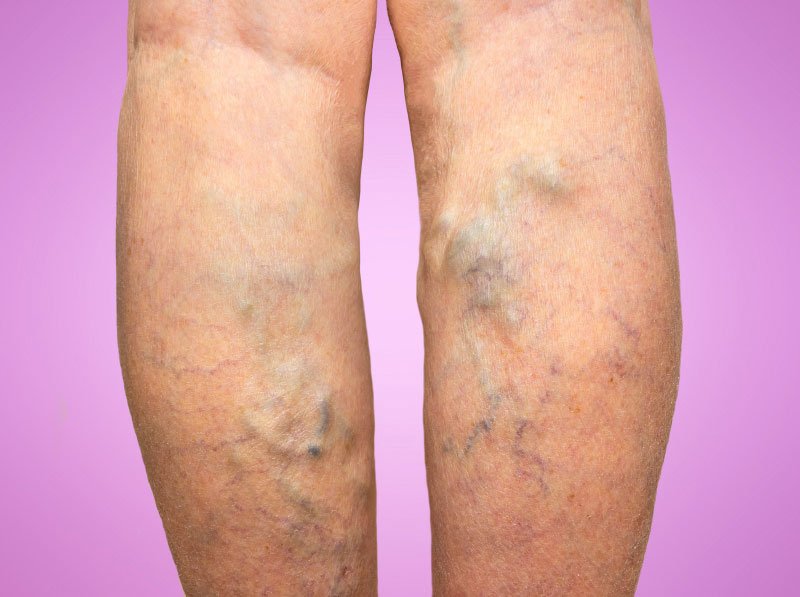
Varicose veins are enlarged and twisted veins that often develop when blood does not flow properly through the veins. They may be influenced by factors such as prolonged standing or sitting, excess pressure on the legs, and family history. Here are some lifestyle changes that may prevent varicose veins:
Improving Movement and Circulation Habits
Physical activity is a primary defense against the formation of varicose veins. Regular movement activates the calf muscles, which pump blood back up toward the heart effectively. Incorporating regular exercise is a key habit, and you can easily add specific routines to your daily schedule. Here are ways to improve circulation:
- Walking routines: Walking engages the leg muscles, promoting healthy circulation without putting excessive strain on the joints.
- Taking breaks: Periodically standing up and moving around during long periods of sitting or standing helps prevent blood from pooling in the veins.
- Activating calf muscles: Simple movements like calf raises or foot flexes stimulate the calf muscles.
- Avoiding long sitting periods: Limiting prolonged sitting by incorporating short and frequent breaks helps maintain healthy blood flow.
These circulation habits prevent blood from pooling in the legs when you sit or stand for long hours.
Controlling Weight and Pressure
Carrying excess body weight places unnecessary pressure on the blood vessels in your lower body. This added stress weakens the venous valves, which eventually leads to the visible bulging of varicose veins. Maintaining a healthy weight requires consistent effort, but it greatly reduces the burden on your circulatory system.
A balanced diet provides key nutrients for optimal vein elasticity. Dietary choices rich in fiber prevent constipation, and this can prevent extra abdominal pressure. Patients can discuss a nutrition plan with a professional if they need specific guidance on weight control. Hydration plays a fundamental role in maintaining healthy blood viscosity. Drinking adequate water throughout the day prevents dehydration, which may cause blood to thicken and flow sluggishly.
Elevating Legs and Positioning
Gravity naturally pulls blood downward into the lower extremities during daily activities. Elevating your legs above the level of your heart reverses the gravitational pull, allowing pooled blood to drain more effectively. This practice offers immediate relief from swelling, and it decreases the long-term risk of developing varicose veins. Sitting with crossed legs may also restrict blood flow through the major veins. You must constantly monitor your seated posture; keeping your feet flat on the floor promotes unobstructed circulation.
Supporting Daily Prevention
You can adopt other practical habits to support your vein health daily. These minor adjustments require minimal effort, but they create a favorable environment for your vascular system. Here are some of them:
- Compression stockings: These specialized garments apply gentle pressure to the legs, which helps the veins push blood upward.
- Comfortable shoes: Low-heeled footwear engages the calf muscles during walking, which aids natural pumping.
- Loose clothing: Tight waistbands or constricting trousers hinder pelvic circulation and increase pressure on lower-body vessels.
Implementing these supportive methods can reduce daily stress on your circulatory system.
Schedule Your Varicose Veins Appointment
Lifestyle changes can successfully mitigate the symptoms of varicose veins. Medical intervention becomes necessary when these damaged vessels cause severe pain or noticeable skin discoloration. Patients should monitor their leg health closely and seek expert advice to prevent serious complications. Contact a qualified vein specialist near you to schedule your varicose vein appointment today.