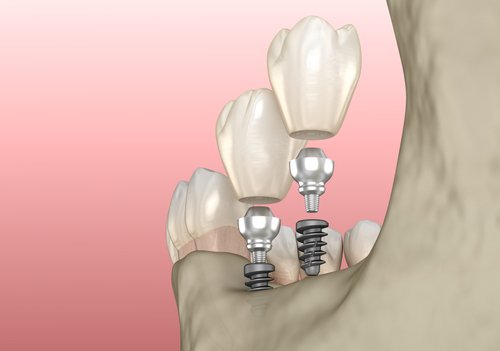
When an individual loses an adult tooth, the surrounding structural bone often begins to shrink due to a lack of stimulation. Addressing missing teeth promptly helps maintain oral structures and alignment. Various prosthetic devices exist to fill these gaps, ranging from removable appliances to fixed bridges. Many patients look for permanent replacements that function exactly like their natural teeth, and endodontic implants provide a secure foundation for artificial teeth.
What Are Endodontic Implants?
Endodontic implants function as artificial tooth roots. These devices sit permanently within the jawbone and replace the foundational structure of a missing tooth. Manufacturers craft them from biocompatible titanium alloys. This specific material integrates safely with human bone tissue, meaning the metal will not erode or degrade the surrounding jaw structure over time.
The implant fuses securely with the bone. A dental provider then attaches a customized artificial crown to the top. From an outside perspective, the final prosthetic looks and behaves like a natural tooth. Because these fixtures are securely anchored into the jaw, they do not require daily removal or specialized adhesives. They operate independently and do not rely on adjacent teeth for physical support.
What Are the Types?
Providers tailor replacement strategies based on the number of missing teeth and the patient’s underlying bone density. A single implant paired with one crown is the standard approach for replacing an isolated missing tooth. Because teeth located at the back of the mouth endure heavier chewing forces and naturally have multiple roots, surgeons frequently place wider implants in those specific areas.
If a patient is missing several teeth in a row, an implant-supported bridge offers a practical solution. A surgeon places a number of implants to anchor a larger prosthetic bridge. This method reduces the number of surgeries required, but still provides a completely fixed restoration.
For individuals missing all teeth in an upper or lower arch, comprehensive implant solutions exist. A surgeon can place a few strategic implants and secure a full set of replacement teeth. This method restores full arch functionality without the instability sometimes associated with removable dentures.
What Should You Expect?
The placement process requires precise planning and involves multiple phases of treatment. A dental specialist starts by taking a detailed scan of the jaw. This imaging confirms whether the bone has enough density to support the metal post. If the bone is too thin or damaged, the surgeon might perform a grafting procedure to build up the necessary structure prior to placement.
Some surgeons can extract a damaged tooth and place the post during the exact same visit. Other situations require a waiting period. If a patient needs time to heal from an extraction or a bone graft, the provider will delay the implant placement for a few months.
Following the insertion of the post, the jawbone needs time to heal and fuse with the titanium. This healing phase varies depending on individual bone quality and anatomical factors. After successful integration, the surgeon attaches a small support post called an abutment. The final step involves a dentist securing the permanent artificial crown onto the abutment; this completes the physical restoration of the smile.
Confer With a Dentist
Maintaining excellent oral hygiene extends the lifespan of any dental prosthetic. Patients must brush and floss around their new restorations just like natural teeth, as bacteria can still accumulate on the surrounding gum tissue. Regular professional cleanings also help prevent inflammation near the surgical site and keep the supporting gums healthy. Every patient presents a unique anatomical profile, meaning treatment timelines vary widely. A thorough consultation gives you the exact details needed to make an informed health decision.