The circulatory system relies on a network of veins to transport blood from the lower extremities back to the heart. This upward journey works against gravity and requires functional valves within the veins to prevent backward flow. When these valves sustain damage or malfunction, blood struggles to maintain its upward trajectory. The resulting condition, known as chronic venous insufficiency, leads to fluid pooling in the lower legs.
What Is Chronic Venous Insufficiency?
Chronic venous insufficiency develops when leg veins fail to return blood to the heart efficiently. The human body features three main types of leg veins: deep veins hidden within muscle tissue, superficial veins near the skin’s surface, and perforating veins that connect the two networks. Damage to the valves in any of these pathways causes blood to flow backward and results in a process called venous reflux. As blood pools in the lower extremities, pressure builds rapidly within the vessels.
This elevated pressure strains the vascular walls. The most frequent cause of this valve damage is deep vein thrombosis; this is a condition where a blood clot forms in a deep vein. Once the clot clears, it can leave behind scar tissue that impairs valve function, resulting in post-thrombotic syndrome. Other contributing factors include congenital vein abnormalities, obesity, extended periods of immobility, and a family history of vascular disease.
What Are the Symptoms?
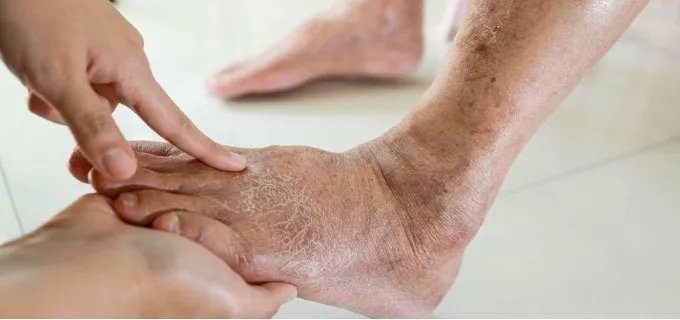
Individuals with this condition experience a range of physical signs that can worsen progressively. Early stages might present with mild discomfort, such as an aching, heavy, or tired sensation in the legs. Many people notice distinct swelling in their lower legs and ankles. Patients may report experiencing leg cramps during the night, alongside a tingling or burning sensation. As the condition advances, the increased pressure causes tiny blood vessels called capillaries to burst and lead to noticeable skin changes. The skin may become discolored, leathery, itchy, or prone to flaking. Varicose veins, which are enlarged and twisted vessels visible beneath the skin, frequently accompany these localized changes. In later stages, the compromised skin becomes susceptible to open sores.
How Is It Treated?
Medical professionals utilize several approaches to manage symptoms and improve blood flow. Lifestyle modifications are often utilized first. Elevating the legs above the heart may reduce vein pressure, and exercises pump blood upward. Weight management also decreases the physical strain on the lower extremities. Compression therapy offers another standard intervention. Specialized stockings apply graduated pressure to the legs, helping veins move blood upward and reducing localized swelling.
When non-invasive methods fall short, physicians may prescribe specialized procedures. Minimally invasive options include sclerotherapy, which involves injecting a solution to collapse damaged superficial veins. Endovenous thermal ablation uses laser or radiofrequency energy to close larger problem veins. In specific cases, surgical interventions like vein ligation and stripping physically remove the malfunctioning vessels and redirect blood flow through healthier pathways.
Seek Professional Vascular Care
A thorough evaluation by a vascular specialist provides clarity and direction for those experiencing circulation issues. During a consultation, a physician typically conducts a physical examination and uses imaging to visualize blood flow and identify damaged valves. While damaged vein valves cannot repair themselves naturally, proper medical intervention manages the symptoms effectively. Following a tailored medical plan minimizes discomfort, limits the progression of skin changes, and reduces the likelihood of developing severe complications like slow-healing ulcers.