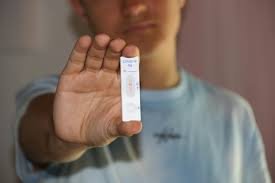
COVID testing provides clarity during outbreaks of respiratory illness. Because many viruses share similar symptoms, diagnostic tests are used by medical professionals to confirm specific infections. You might take a rapid at-home antigen test, or a local clinic may process a highly sensitive PCR swab. When the laboratory results show a positive infection, you need to follow established health protocols to protect yourself and others.
Avoid Passing It On
If you receive a positive result after COVID testing, a doctor may recommend that you stay home as much as possible. Staying home can prevent the spread of the virus to others, and it protects vulnerable community members from potential exposure. If you share a home with family members or roommates, be sure to disinfect common areas like the kitchen, bathroom, or living room, and avoid close contact with them. You may choose to isolate entirely or use a mask while in common areas, or you can simply stay vigilant about cleaning patterns and distancing yourself.
Although airborne particles carry the virus, good indoor ventilation reduces transmission risks significantly. You can open your windows to improve fresh airflow in your home. A central fan is also be a good option. Wash your hands with soap frequently, or use an alcohol-based hand sanitizer before you touch any shared household surfaces.
Treat Symptoms of Illness
Most COVID symptoms resemble those of a cold or standard respiratory virus. Rest gives your body the necessary energy to fight off the viral infection. Sleep often, and try to avoid activities that require exertion. Hydration thins heavy mucus secretions, so drinking plenty of water throughout the day may alleviate congestion. Since elevated fevers often cause rapid fluid loss, electrolyte beverages also help the recovery process.
When you experience a high fever or severe muscle aches, over-the-counter medications provide reliable relief. Acetaminophen lowers body temperature effectively, and ibuprofen targets painful tissue inflammation. These medications can help with headaches, fevers, sore throats, and body aches. Read the medical packaging labels for the exact daily dosage instructions.
Other options for treatment include cough drops to soothe a scratchy throat and saline sprays to clear nasal congestion. Warm teas offer additional physical comfort for upper respiratory irritation. If you have underlying health conditions, a medical doctor can prescribe other medications that can help with symptoms. You may experience a loss of smell or taste, fatigue, or vomiting. These symptoms may not respond to medications, but often stop once the body recovers.
Watch for Severe Symptoms
Some viral infections can escalate into dangerous medical emergencies. While mild coughs are standard symptoms, shortness of breath should be treated by professional evaluation. This can cause a decrease in blood oxygen, which can be dangerous. A sudden drop in blood oxygen levels strains the human heart, and medical professionals can treat patients who present with this symptom before it causes severe problems. Note any episodes of significant weakness. If you experience deep mental confusion or persistent chest pressure, seek urgent medical care at an emergency room. Fast medical intervention prevents long-term organ damage from a lack of oxygen.
Request COVID Testing
If you experience any typical cold symptoms, COVID testing can help with a diagnosis. Even if you aren’t sick, you may want to request testing for an upcoming trip or for work, which can be accommodated at a clinic. Most people are able to recover from COVID with no complications. Contact a provider to request a COVID test and learn more about treatment options.