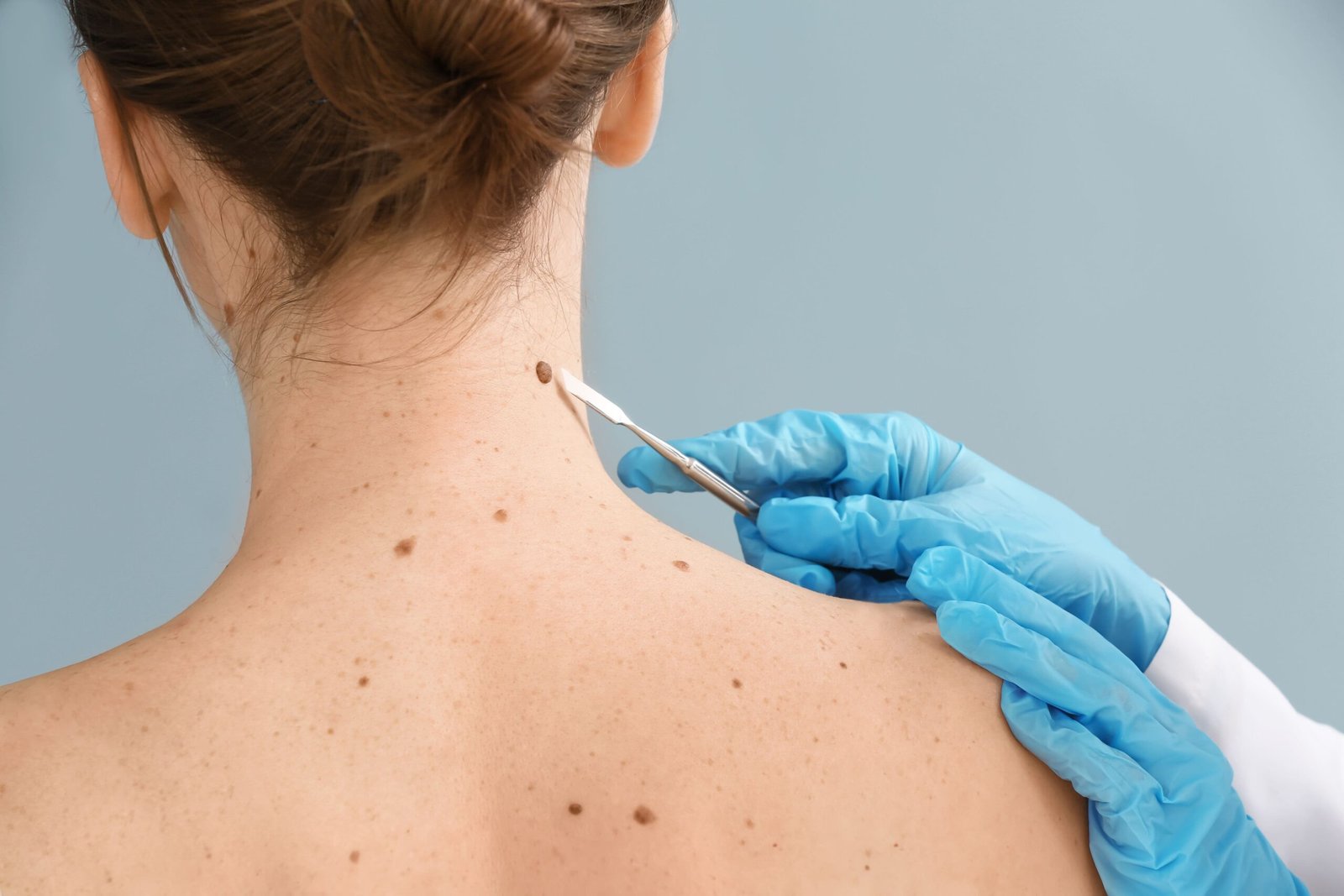
A dermatologist is a medical professional who specializes in the skin and treats issues such as acne, rosacea, and eczema. The skin is the largest organ of the human body, and it requires tailored attention when structural or physiological issues arise. Dermatologists undergo years of education to identify, manage, and address a wide range of dermatological conditions. They can diagnose issues such as skin cancer and provide patients with precise clinical treatment. Here’s information about the role of dermatologists in treating skin conditions:
Diagnosing Complex Skin Conditions
The diagnostic process is a core component of a dermatologist’s professional responsibilities. If you notice a persistent rash, a changing mole, or sudden hair loss, present these physical changes to a dermatologist. They can then utilize specialized diagnostic tools, such as a dermatoscope, to determine the precise root cause. This process often involves detailed visual inspections, and it sometimes requires skin biopsies for laboratory analysis. By conducting these precise evaluations, dermatologists can accurately categorize the condition. They’re able to differentiate between benign anomalies and issues that require prompt medical intervention, such as skin cancer or severe autoimmune responses affecting the epidermis.
Developing Targeted Management Plans
Once a clinical diagnosis is established, dermatologists construct individualized management protocols. No two skin profiles are exactly alike, so standardized approaches may not meet each patient’s specific physiological needs. Dermatologists prescribe oral medications, topical creams, or specialized therapies tailored to the individual’s specific requirements.
Addressing chronic conditions like eczema involves long-term management strategies. The dermatologist monitors the physical response to the prescribed regimen, and they adjust dosages or switch medications based on objective clinical observations. Their objective remains focused on managing physical symptoms and maintaining the skin’s structural integrity over time. They may also coordinate with other medical specialists to address skin issues linked to internal systemic diseases.
Performing Specialized Dermatological Procedures
Beyond writing prescriptions, dermatologists function as skilled surgeons and procedural specialists. They perform a wide variety of in-office procedures to address structural and cellular skin issues. This work includes excising atypical moles, performing Mohs surgery for skin cancer removal, and utilizing cryotherapy to address warts or precancerous lesions. They also perform laser therapies; these can help manage wrinkling and scarring. By integrating these procedures into their practice, dermatologists offer comprehensive solutions that go beyond surface-level topical applications.
Providing Preventive Care and Screenings
Preventive medicine plays a key role in standard dermatological practice; professionals conduct routine full-body skin examinations to detect physical irregularities before they progress into more advanced stages. During these screenings, they may map existing moles and document baseline skin conditions for future comparison. Dermatologists also provide actionable guidance on sun protection and environmental risk factors. Advising patients on appropriate ultraviolet protection and lifestyle modifications helps reduce the frequency of future skin complications. Professionals may recommend:
- Applying daily sunscreen
- Avoiding both indoor and outdoor tanning
- Performing regular mole and skin checks
Consult an Experienced Dermatologist
Dermatologists use their extensive education to diagnose issues accurately, develop tailored management protocols, and perform necessary surgical procedures. By focusing on skin health, they can make sure patients receive the specialized medical attention required for both acute and chronic dermatological conditions. These professionals assist with medical issues like acne and skin tags, and they offer cosmetic services such as Botox and microneedling. Contact an experienced dermatologist today to learn more about their services.