Platelet-rich plasma therapy incorporates components of a patient’s blood into a medical regimen meant to aid in healing processes. When individuals seek nonsurgical options for their physical wellness routines, they may find platelet-rich plasma treatment as a versatile solution for a variety of health and wellness concerns. Understanding what PRP is and how it works is helpful for integrating it into a person’s wellness regimen.
What It Is
Plasma makes up a foundational component of blood. Tiny platelets, small cells found in blood, function as the specialized cell fragments responsible for typical blood clotting mechanisms. Platelets have a necessary role in normal cell regeneration, and they are used for a variety of reasons. A highly concentrated platelet solution is created by a centrifuge after the patient’s blood is drawn. This platelet solution, platelet-rich plasma or PRP, is used to encourage cellular regeneration across the body.
How It Works
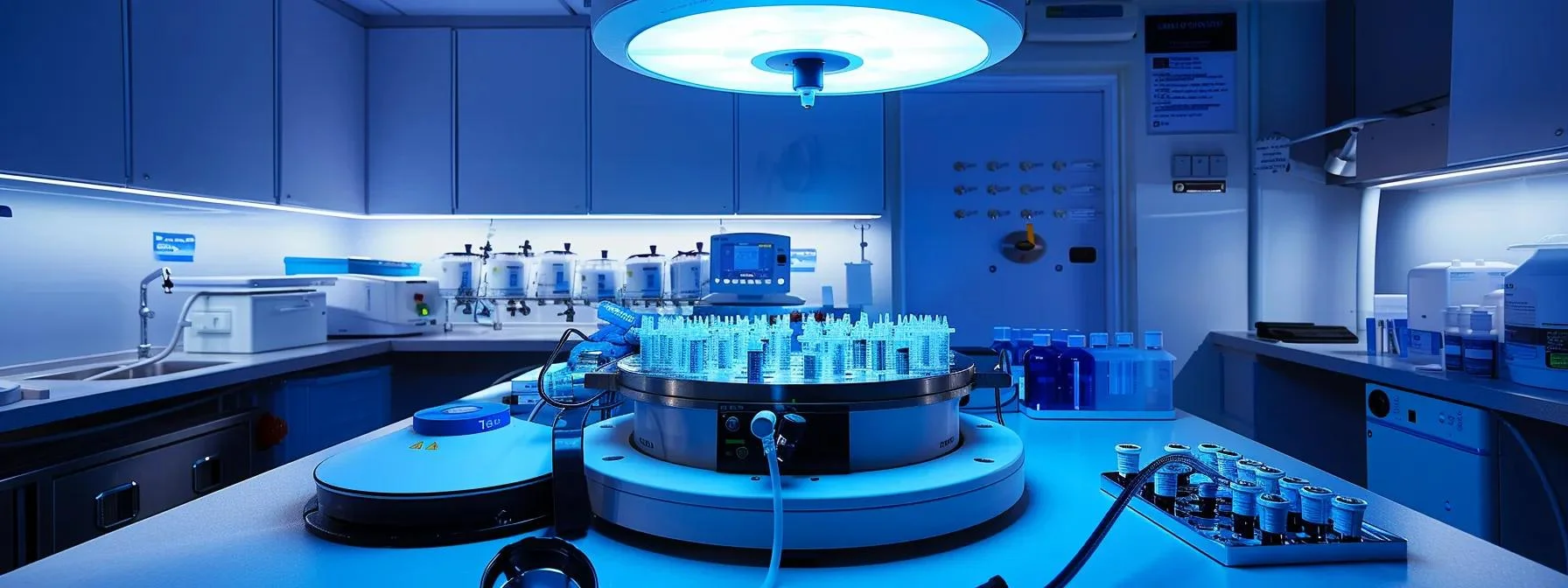
Before the procedure begins in the treatment room, a certified practitioner draws a small amount of blood from the patient. The blood sample is placed into a specialized processing machine called a centrifuge by the lab technician. The centrifuge spins the vials at high speeds, and this rapid centrifugal motion separates the blood into three fluid layers.
Practitioners carefully extract the isolated platelet-rich plasma for the next step. To prepare the targeted area, a medical provider cleans the skin with a standard antibacterial antiseptic solution to prevent infection. The clinician injects the fluid into specific joints or muscles, or they apply it topically during a facial microneedling session.
A PRP appointment typically takes approximately an hour from start to finish, including drawing blood and injecting plasma. Most patients leave the outpatient medical facility immediately after the appointment ends. Some individuals may experience mild temporary swelling or minor bruising at the injection site, which is normal. Since the application process inherently requires medical-grade needles, specialized clinics thoroughly advise their patients about standard post-care practices prior to their departure.
What It Treats
While numerous modern health clinics provide this specific medical service, they primarily apply injections to targeted orthopedic or dermatological areas. Sports medicine doctors routinely target damaged ligaments or strained athletic tendons, and cosmetic dermatologists frequently focus their attention on hair follicles or skin. Many licensed medical practitioners also utilize this method for specific joint issues like general osteoarthritis in the knees.
Dedicated medical professionals observe cellular responses at the injection site over several consecutive weeks. The standard therapy addresses physical conditions within the body, and interested individuals discuss any diagnoses they’ve received with a qualified primary doctor beforehand. If patients have detailed questions about specific joint problems or basic tissue concerns, a trained medical specialist can provide relevant clinical information based on their unique background.
Book a PRP Appointment
A medical profession can help you begin treatments using PRP after an evaluation, which is necessary to determine if PRP is right for you. They can provide a general timeline for an initial injection and any subsequent injection appointments based on your medical history. Contact a clinic that offers PRP therapy to arrange your first appointment.