A retinal tear is a serious eye condition that can lead to severe vision loss if not identified and treated promptly. Early symptoms may be subtle, but timely evaluation can make a meaningful difference in protecting long-term eye health. Here is more information on what to know about early detection in retinal tear management:
Recognizing Warning Signs
Recognizing the initial symptoms of a retinal tear helps patients seek prompt medical care. Patients often notice distinct visual disturbances when a tear develops, and these signs indicate an active eye problem. The following are the common symptoms associated with a retinal break:
- Sudden onset of floaters: Patients may see small spots or lines drifting across their field of vision. This happens when the vitreous gel pulls on the retina, releasing debris into the eye.
- Flashes of light: People often observe sudden flashes of light, which typically occur in peripheral vision. The physical pulling on the retinal tissue triggers these bright visual signals.
- A dark shadow: A gray curtain or dark cloud may obstruct part of your sight. This symptom indicates a severe issue that requires urgent clinical intervention.
Timely identification of these signs allows your doctor to diagnose the condition before it progresses.
Understanding Early Detection
Identifying a retinal tear early prevents it from progressing to a full retinal detachment. Retinal detachment occurs when fluid passes through the tear, separating the retina from its underlying support tissue. This separation cuts off the blood supply to the eye, which can result in permanent vision loss. Detecting the problem in its initial stages simplifies the required medical treatment. Doctors can perform minor procedures on small tears, and these treatments generally carry fewer risks than major surgeries. An early intervention quickly seals the tear and prevents fluid accumulation.
Evaluating Retinal Tears
Eye specialists use specific diagnostic tools to examine the health of the retina. A comprehensive eye exam provides a clear view of the eye’s internal structures, allowing the doctor to identify any defects. The evaluation process generally involves the following steps:
- Dilation of the pupils: The doctor applies special eye drops to widen the pupils. This expanded view allows the specialist to examine the entire retinal surface clearly.
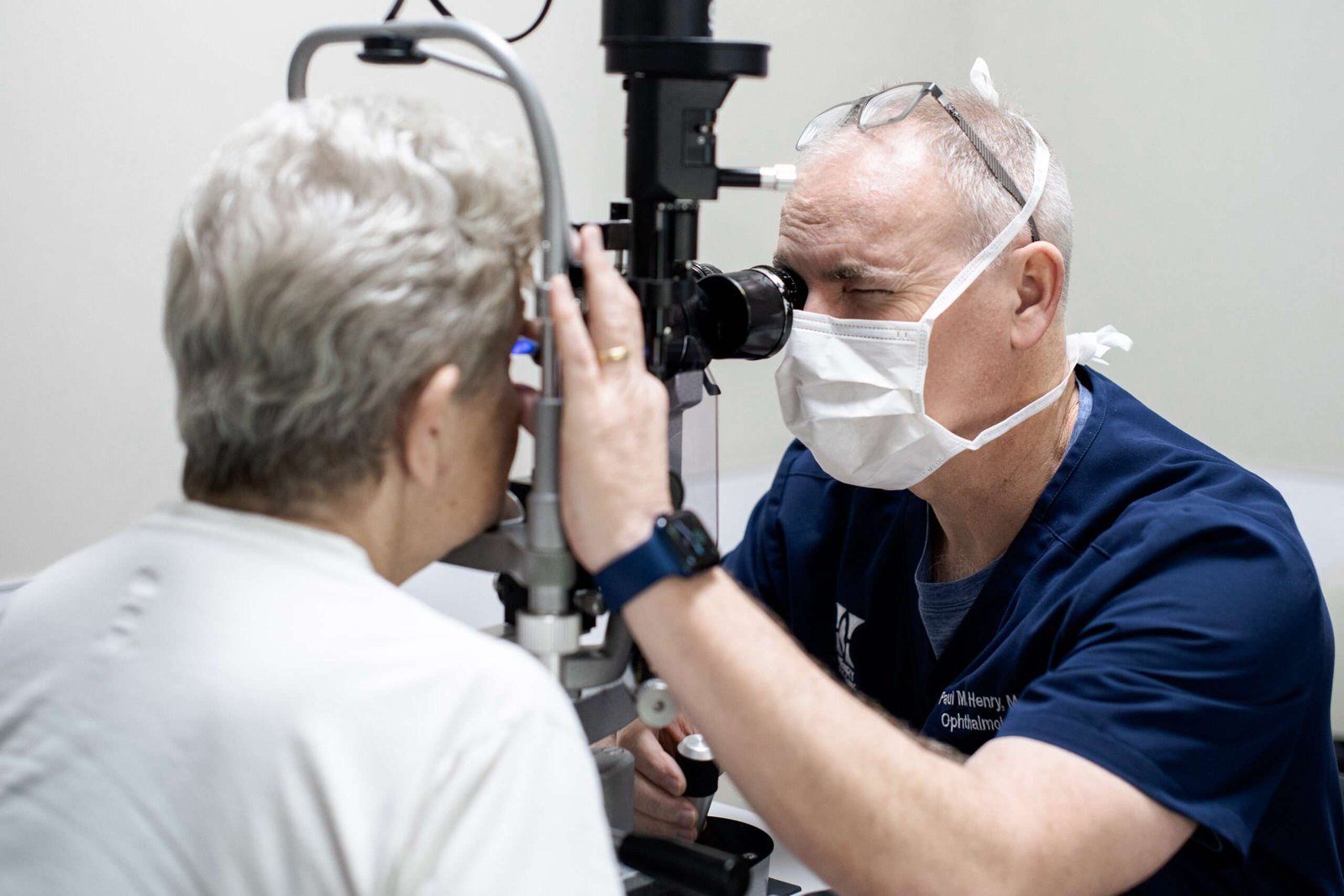
- Slit-lamp examination: The physician uses a specialized microscope with a bright light to inspect the back of the eye. This device magnifies the tissue and reveals tiny breaks or abnormalities.
- Ultrasound imaging: In cases of severe bleeding, the doctor may use sound waves to create a picture of the eye. This imaging technique detects tears when a visual inspection is obstructed.
These diagnostic methods provide the objective data needed to develop a treatment plan.
Exploring Early Management
The management of a retinal tear depends on the size and location of the defect. A very small defect may heal independently, but physicians generally recommend treatment to prevent further complications. Doctors commonly use targeted therapies to secure the torn tissue and block fluid leakage.
Laser therapy is a common procedure used to repair a retinal break. The doctor directs a specialized laser around the edges of the tear, and this energy creates small burns that scar the tissue. The resulting scar tissue acts as a strong seal, which binds the retina to the underlying eye wall. Eye doctors may use a freezing treatment called cryopexy to fix the tear. The specialist applies a freezing probe to the outer surface of the eye, which creates a similar scar to secure the retina.
Schedule Your Retinal Tear Appointment
A retinal tear is a serious medical condition that requires prompt clinical evaluation and management. Recognizing the early warning signs allows patients to seek timely care, which can prevent severe complications such as retinal detachment. Contact a qualified retina specialist near you to schedule your retinal tear appointment today.