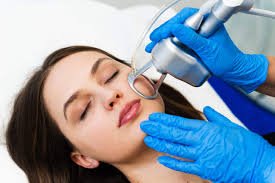
A skin doctor may recommend laser therapy as part of a treatment plan for certain skin conditions. This approach uses focused light energy to address specific skin concerns, with treatment methods varying based on the condition, skin type, and desired outcome. Here is a closer look at how a skin doctor may use laser therapy to treat different skin conditions:
What Can Skin Doctors Treat?
A skin doctor can use laser therapy to address numerous aesthetic and medical issues. Patients frequently seek professional assistance for the following conditions, and the doctor can evaluate each case individually:
- Acne and acne scars: Lasers reduce bacterial load and minimize the appearance of deep-tissue scarring.
- Sun damage and hyperpigmentation: Focused light breaks down excess melanin, creating a more even skin tone.
- Fine lines and wrinkles: Laser heat stimulates collagen production, smoothing skin texture.
- Vascular lesions: Clinicians use specialized lasers to collapse visible blood vessels and reduce clinical redness.
Addressing these conditions early helps achieve optimal long-term results. Medical professionals assess the severity of the damage, and they create customized protocols.
How Does Laser Therapy Work?
Laser therapy operates by directing concentrated light energy at specific skin layers. The clinical device carefully removes the damaged outer epidermis, and it simultaneously heats the underlying dermis. This thermal action triggers the body’s natural healing response, which increases the production of key proteins such as collagen.
The skin repairs itself over time, and the new tissue appears tighter and more uniform. A skin doctor adjusts the intensity of the light beam to match the patient’s specific needs. Although the procedure may sound invasive, modern technology makes sure the surrounding tissues remain completely unharmed.
What Should Patients Expect?
Understanding the clinical process helps patients prepare for their laser therapy sessions. A skin doctor generally follows the following standard protocol to make sure the procedure remains safe and effective:
- Initial preparation: The clinician cleans the target area and applies a topical anesthetic to minimize physical discomfort.
- Laser application: The provider guides the laser device over the skin, and the machine emits precise pulses of light.
- Post-treatment care: The medical staff applies cooling ointments to the treated skin to protect the newly exposed layers.
Following these steps accurately is key to minimizing recovery time and maximizing clinical outcomes. Patients receive detailed aftercare instructions, and adherence to these guidelines can prevent unwanted complications.
What Factors Affect Results?
Several factors may influence the final outcome of a laser therapy procedure. Skin type and the specific condition dictate which laser the dermatologist selects. Ablative lasers provide dramatic results in a single session, but they require a longer recovery period.
Patient compliance with aftercare instructions significantly impacts how well the skin heals. Individuals must protect their healing skin from ultraviolet rays, and they must apply prescribed clinical ointments daily. When patients ignore these guidelines, they risk developing permanent hyperpigmentation or severe clinical infections.
See a Skin Doctor Today
Laser therapy offers a precise method for improving skin texture and treating chronic dermatological conditions. The procedure uses targeted light to stimulate cellular renewal, and it addresses issues ranging from acne scars to vascular lesions. While the healing process takes time, the structural changes to the dermal tissue provide aesthetic benefits. Contact a professional skin doctor near you to book your appointment today.