Clear braces are an orthodontic option for patients who want a more discreet way to improve alignment without giving up the structure and effectiveness of traditional braces. Understanding how clear dental braces compare with traditional braces can help patients choose the option that best fits their treatment needs and cosmetic preferences. Here are several points to evaluate when comparing clear braces to traditional braces for orthodontic success:
Comparing Clear and Traditional Braces
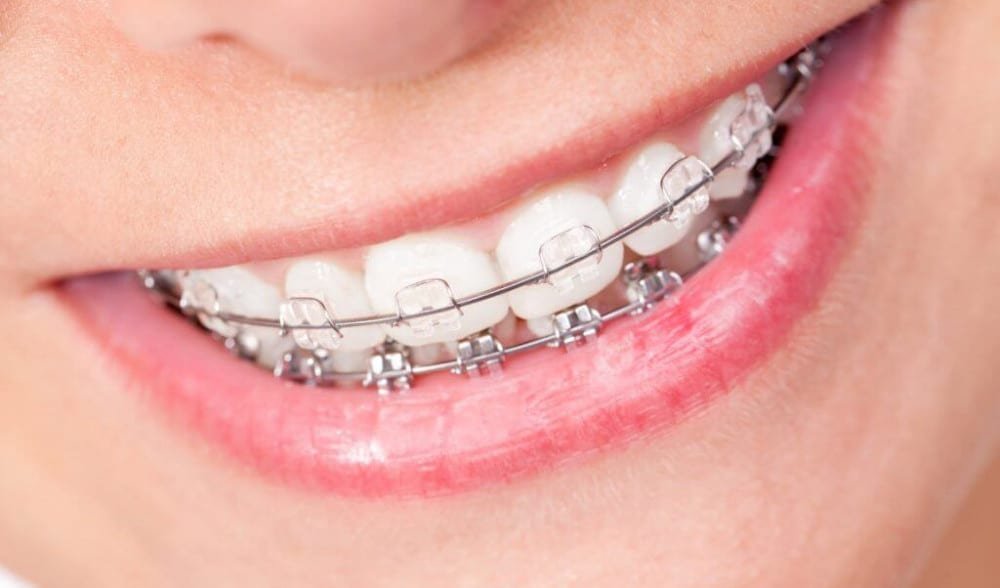
Traditional metal braces use stainless steel brackets and metal wires, and clear braces use translucent ceramic brackets. This ceramic material blends with the natural color of the teeth. This provides a more discreet appearance for the patient undergoing treatment. Although both systems apply continuous pressure to shift teeth into proper alignment, the visual differences remain a fundamental factor for several individuals.
Individuals in professional settings often prefer the subtle look of ceramic brackets. Younger patients, on the other hand, may not mind the high visibility of metal components. The fundamental mechanics of tooth movement remain identical across both systems, yet the materials dictate the overall aesthetic experience.
Weighing Treatment Benefits
Understanding the clinical benefits of each method is key to making an objective decision about orthodontic care. Here are some of their key benefits:
- Aesthetic Appeal: Clear braces offer a subtle look, helping patients maintain a neutral appearance in their daily professional interactions.
- Treatment Durability: Metal braces provide robust physical strength, which is helpful when orthodontists need to correct severe structural misalignments.
- Stain Resistance: Ceramic brackets are prone to staining, so patients must maintain good oral hygiene to keep the brackets clean.
- Comfort Levels: Modern ceramic materials feature smooth structural edges, which reduce friction and irritation inside the mouth.
Both methods deliver reliable alignment results over time. Patients should deliberate on these benefits carefully before starting their clinical treatment.
Exploring the Experience
The daily experience of wearing braces involves several routine clinical adjustments and mandatory hygiene maintenance steps. Here’s what patients can generally expect:
- Application Process: Orthodontists bond the structural brackets directly to the teeth, and metal wires are attached to initiate the desired physiological movement.
- Routine Adjustments: Patients visit the dental clinic every few weeks, so the orthodontist can tighten the wires and monitor the alignment progress.
- Daily Maintenance: Brushing and flossing require extra attention, and special interdental tools often help clean the spaces around the brackets.
- Post-Treatment Care: Individuals wear custom retainers after their braces come off, which helps make sure the teeth stay in their new positions permanently.
Knowing these sequential steps prepares patients for the treatment journey, and it demystifies the overall orthodontic process.
Choosing the Right Option
Selecting the best orthodontic approach requires an objective evaluation of personal daily habits and specific clinical needs. Orthodontists evaluate the exact severity of the dental misalignment, and they discuss the available treatment options with the patient. Metal braces may be necessary for complex bite issues, but clear braces work well for mild to moderate structural corrections.
Lifestyle factors play a fundamental role in determining which appliance system will provide the most helpful outcome for the individual. Patients who play high-contact sports may need specialized protective mouthguards, and individuals with busy professional schedules must commit to the required routine adjustment appointments. Evaluating all these variables promotes a smoother treatment period, and it leads to optimal functional results for the patient.
Schedule Your Clear Braces Consultation
Clear braces and traditional metal braces offer reliable clinical approaches to achieving a straight and functional smile. Patients must evaluate their structural requirements. They should consult a dental professional to make sure the chosen method aligns with their long-term oral health goals. Contact a qualified orthodontist near you to schedule your consultation for clear braces today.