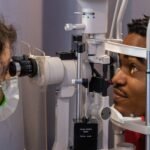
Internal medicine focuses on adult health, accurate diagnoses, and comprehensive disease management for complex conditions. Doctors diagnose complex illnesses, and they guide adult patients through difficult daily treatments without delay. When patients face chronic conditions, internists manage their long-term recovery plans carefully over time. Here is more information on optimizing patient care in internal medicine:
Communicating Effectively
Clear daily communication builds relationships between patients and medical staff during visits. Staff explain new diagnoses clearly, and they answer difficult health questions directly without showing hesitation. Open conversations relieve concerns about upcoming treatments and complicated medical procedures at the clinic. When clinics use digital patient portals, individuals access these helpful organizational tools instantly from home:
- Upcoming secure appointment schedules
- Current daily medication dosage
- Recent laboratory test results
Coordinating Care
Thorough care coordination in internal medicine organizes patient activities across different health systems and medical specialist offices. Because multiple independent providers treat one patient, details sometimes get lost during the transition. Clinic records must be updated very regularly, or serious medical errors might easily occur during treatments. If providers ignore these detailed charts, sick individuals face redundant tests and delayed physical healing.
Clinics share data quickly, and providers review the complete patient history before prescribing medication. This structured practice prevents duplicate blood tests and conflicting daily drug prescriptions for adult patients. If doctors track laboratory results closely, they catch emerging health issues early during the process. Specialists focus on one area, but general internists oversee the whole physical picture daily.
Care teams review patient charts, and they adjust active treatment plans during routine clinical appointments. While a cardiologist treats the failing heart, the primary internist manages the daily diabetes regimen. Regular brief meetings keep all medical professionals thoroughly informed about steady patient progress and symptoms.
Leveraging Team-based Approaches
While doctors lead the clinic staff, skilled nurses provide daily physical support for recovering individuals. Medical assistants take accurate vitals and prepare patients for thorough physical examinations every morning. Pharmacists review medications carefully, and social workers find appropriate community resources for families. When staff members collaborate closely, patients consistently experience better long-term health outcomes.
Since teamwork divides the heavy workload, sick patients receive faster responses to pressing questions. A nurse practitioner answers basic questions, and experienced dietitians offer practical food advice for healthier living. Collaborative clinic environments build strong support networks for managing complex chronic illnesses and relieving symptoms. Treatment requires teamwork, and medical professionals share the heavy responsibility for ongoing adult health improvements.
Focusing on Prevention
Preventive medicine stops severe illnesses before they cause lasting physical damage to the human body. Because early detection saves many lives, doctors schedule routine screenings for their older adult patients. Annual physical exams reveal hidden warning signs of silent diseases like high blood pressure. Physicians recommend healthy lifestyle changes, and patients adopt better nutritional habits for improved physical longevity.
Visit an Internal Medicine Clinic
An internal medicine clinic offers comprehensive care, and the staff supports your ongoing wellness. While managing chronic conditions takes time, an experienced medical team guides you through the process. You receive personalized treatment plans, and the staff monitors your progress during every scheduled visit. Contact a clinic today to schedule your next comprehensive physical examination with a physician.