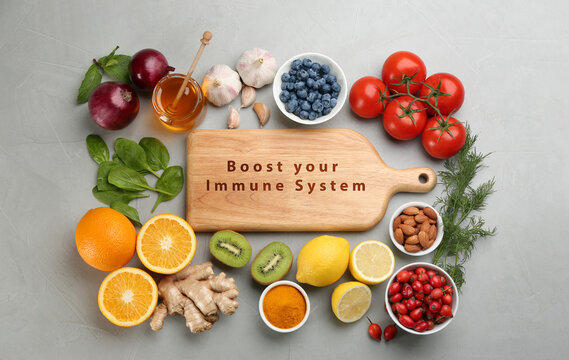
A strong immune system is your body’s first line of defense against infections, viruses, and other illnesses. While some people rely on supplements or medications to improve immunity, there are many natural ways to strengthen your body’s defense system. By adopting simple lifestyle habits and making smart nutritional choices, you can give your immune system the support it needs to keep you healthy all year round.
In this article, we’ll explore practical, natural methods to boost your immunity, explain why they work, and give you actionable tips to include them in your daily life.
1. Eat a Balanced and Nutrient-Rich Diet
The foods you eat play a crucial role in your immune health. Certain nutrients directly influence immune function, helping your body fight infections more efficiently. Focus on including:
- Fruits and vegetables: Packed with vitamins, minerals, and antioxidants, these foods protect your cells from damage. Vitamin C-rich foods like oranges, strawberries, and bell peppers are particularly good for immunity.
- Whole grains and legumes: They provide fiber, which helps your gut microbiome—the community of bacteria in your intestines—stay healthy. A healthy gut is closely linked to a strong immune system.
- Healthy fats: Omega-3 fatty acids from fish, walnuts, and flaxseeds reduce inflammation and support immune function.
- Protein: Lean meats, eggs, tofu, and beans provide amino acids needed to build immune cells and antibodies.
Tip: Avoid excessive sugar and processed foods, as they can weaken immune response over time.
2. Stay Hydrated
Water is essential for every cell in your body, including those that protect you from infections. Staying hydrated helps your body flush out toxins and ensures that your immune cells can function properly.
- How to stay hydrated naturally: Drink water throughout the day, include herbal teas, and eat water-rich foods like cucumbers, watermelon, and oranges.
Fun fact: Even mild dehydration can reduce the efficiency of your immune system, making it easier for viruses and bacteria to take hold.
3. Exercise Regularly
Physical activity doesn’t just improve your heart and muscles—it also supports your immune system. Regular, moderate exercise has been shown to increase circulation, reduce inflammation, and promote the production of infection-fighting cells.
- Best types of exercise: Walking, swimming, yoga, or light jogging for at least 30 minutes most days of the week.
- Avoid overtraining: Intense, prolonged exercise without rest can temporarily suppress immune function, so balance is key.
4. Get Enough Quality Sleep
Sleep is when your body repairs itself and strengthens your immune system. Without adequate rest, your body produces fewer infection-fighting cells and antibodies, leaving you more susceptible to illnesses.
- How much sleep do you need? Most adults need 7–9 hours of quality sleep each night.
- Tips for better sleep: Maintain a consistent bedtime, create a dark and quiet environment, and avoid caffeine or screens before bed.
5. Manage Stress Effectively
Chronic stress can weaken your immune system by increasing the production of cortisol, a hormone that suppresses immune function. Finding ways to manage stress is vital for overall health.
- Natural stress-busting methods:
- Meditation or mindfulness exercises
- Deep breathing techniques
- Spending time in nature
- Journaling or creative hobbies
Even just a few minutes of relaxation each day can help your immune system stay strong.
6. Include Immune-Boosting Herbs and Spices
Many herbs and spices have natural compounds that support immunity. Some of the most effective include:
- Garlic: Contains allicin, which can help your body fight infections.
- Ginger: Anti-inflammatory and antioxidant-rich.
- Turmeric: Contains curcumin, known for its immune-supporting properties.
- Echinacea: Often used to prevent colds and respiratory infections.
Tip: Add these herbs to your cooking or enjoy them as teas to incorporate them into your daily routine.
7. Spend Time Outdoors and Get Sunlight
Sunlight is a natural source of vitamin D, which plays a crucial role in immune health. Vitamin D helps regulate immune cells and reduce the risk of infections.
- How to get enough vitamin D: Spend 10–20 minutes in sunlight daily, depending on your skin type and location.
- Alternative sources: Fatty fish, eggs, fortified milk, and supplements if sunlight exposure is limited.
8. Maintain a Healthy Weight
Excess body fat, especially around the abdomen, can increase inflammation and impair immune function. Maintaining a healthy weight through diet and exercise supports overall immunity and reduces the risk of chronic diseases.
Tip: Focus on sustainable lifestyle changes rather than quick fixes or fad diets.
9. Practice Good Hygiene
While this may seem obvious, hygiene is a crucial natural way to protect your immune system. Simple habits like washing your hands regularly, avoiding touching your face, and keeping your living environment clean can reduce the number of pathogens your body encounters.
10. Stay Connected Socially
Strong social connections and a positive mindset have been linked to better immune function. People who have supportive relationships tend to have lower stress levels, better sleep, and healthier habits—all of which contribute to immunity.
- Ways to stay connected: Call or video chat with friends and family, participate in community activities, or join hobby groups.
Conclusion
Boosting your immune system naturally is about balance. There’s no single food, supplement, or activity that can guarantee perfect immunity, but a combination of healthy habits can make a noticeable difference. Focus on eating nutrient-rich foods, staying active, getting quality sleep, managing stress, and nurturing social connections. Your immune system will thank you by keeping you stronger, healthier, and more resilient against infections.
FAQs About Boosting Immunity Naturally
1. Can I boost my immune system overnight?
No, immunity is built gradually. Consistent lifestyle habits like proper diet, exercise, and sleep are what strengthen your immune system over time.
2. Are vitamin supplements necessary for immunity?
Supplements can help if you have deficiencies, but most people can get sufficient nutrients from a balanced diet. Natural foods often provide additional compounds that support immunity.
3. Does drinking more water really help immunity?
Yes! Hydration helps your body remove toxins and ensures immune cells function properly. Dehydration can reduce your body’s ability to fight infections.
4. How does stress affect the immune system?
Chronic stress increases cortisol levels, which suppress immune cell production and can make you more vulnerable to illness. Managing stress is essential for a healthy immune system.
5. Is exercise always good for immunity?
Moderate exercise boosts immune function, but overtraining can temporarily suppress it. Balance and consistency are key.