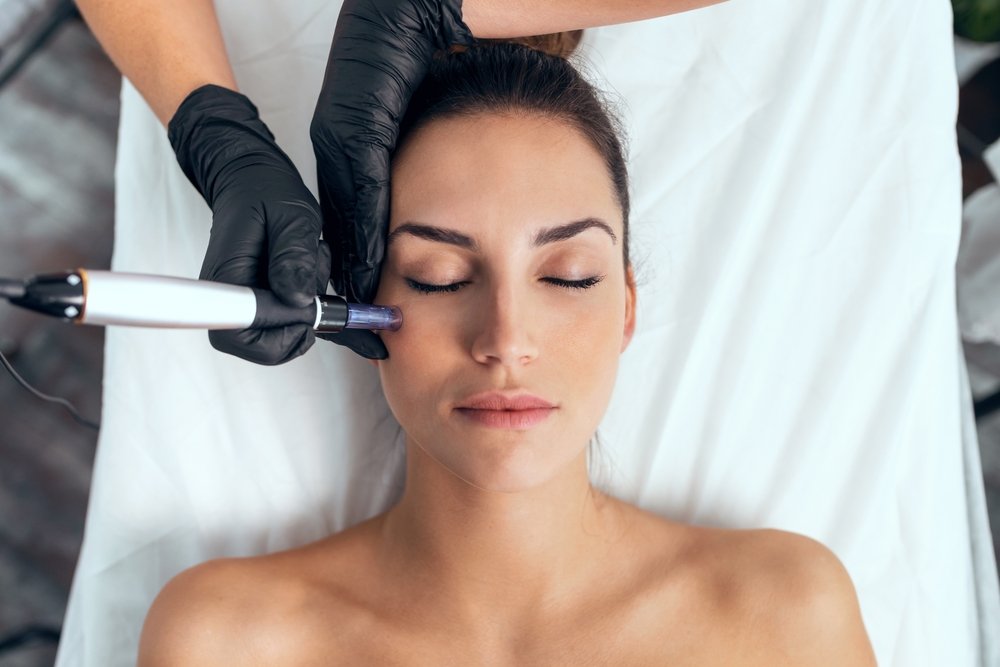
Microneedling is a cosmetic procedure. Healthcare providers use specialized devices, and these tools puncture the skin. The process uses controlled skin injury to trigger repair. Because the process creates microscopic wounds, the body initiates a healing response, and this reaction produces new collagen. Patients seek this treatment for various skin conditions. The method treats acne scars. Practitioners operate pen-like instruments, or they roll cylindrical tools across targeted areas. While the micro-injuries form, the dermal layers release growth factors, and the surrounding tissue rebuilds itself. The technique addresses fine lines. Providers sanitize the equipment, and they apply numbing agents before the session begins. Because individuals experience different pain thresholds, the topical anesthetic minimizes discomfort, and the professional adjusts the needle depth accordingly.
Analyzing the Process for Microneedling
The microneedling session requires preparation. The professional cleans the target area, and they apply a topical gel. After the skin becomes numb, the provider moves the device evenly, and the needles penetrate the epidermis. The penetration depth varies. Shallow settings treat surface issues, but deeper settings target severe scarring. As the instrument glides across the face, it causes pinpoint bleeding, and the operator wipes away the excess fluid. The entire session lasts about thirty minutes. Some treatments include serums, and the microscopic channels absorb these liquids. If the patient requires extensive work, the appointment takes longer, and the provider monitors the skin response throughout the process.
Managing the Recovery for Microneedling
The skin requires specific care. Patients experience redness, and they notice mild swelling. Because the barrier remains compromised, individuals avoid direct sunlight, and they apply broad-spectrum sunscreen outdoors. The inflammation subsides within days. The treated area feels tight, and the surface peels slightly. While the outer layers shed, people wash with gentle cleansers, and they moisturize the area frequently. Providers advise against harsh chemicals. Patients stop using retinoids, or they pause exfoliating routines. If complications arise, individuals contact their clinic, and the medical staff assesses the healing progress. Makeup application resumes after forty-eight hours. The micro-channels close quickly, and the risk of infection decreases. Because sweat introduces bacteria, individuals skip rigorous exercises, and they avoid saunas during the initial phase.
Observing the Results for Microneedling
The visible changes take time. The body manufactures structural proteins, and the skin texture improves gradually. Although some differences appear immediately, the full remodeling process requires several weeks, and the cellular turnover continues. Most individuals need multiple sessions. Providers space the appointments four weeks apart, and the sequential approach maximizes collagen production. When practitioners treat deep stretch marks, they recommend up to six visits, and the patient commits to a long-term plan. The final outcome lasts for months. The new tissue strengthens the dermal structure, and the surface appears smoother. Because natural aging persists, people schedule maintenance treatments, and these follow-up visits sustain the initial improvements.
Find a Clinic
Microneedling relies on natural physiology. The controlled injuries stimulate repair, and the resulting proteins rejuvenate the tissue. While the method treats various dermatological concerns, individuals research the process thoroughly, and they consult qualified practitioners. The strategy addresses superficial blemishes. Proper aftercare promotes safe healing, and adherence to guidelines minimizes adverse reactions. Because the technique involves sterile instruments, clinics follow strict hygiene protocols, and the standardized procedures protect patient health. The intervention requires realistic expectations. The results develop systematically, and the timeline varies among individuals. As the biological response unfolds, the targeted zones rebuild their structural integrity, and the modified skin reflects the completed cycle. Find a clinic in your area to learn more.