Vein problems affect many adults, and modern clinics now treat them without major surgery. Bulging or spider veins signal that the valves no longer work well. If you notice aching legs after a long day, a vein specialist offers several options to map your treatment plan. Here are some innovations in non-surgical vein treatment:
Sclerotherapy Treatment
A specialist injects a solution directly into the targeted vein. Sclerotherapy works on small spider veins, and it also treats some larger ones. The solution irritates the vein lining, which prompts the vessel to close and fade over weeks.
You might need more than one session of vein treatment, depending on how many areas your provider treats. This technique uses fine needles, and many clinics pair it with ultrasound guidance for deeper veins. Compression stockings are typically recommended afterward to support healing.
Radiofrequency Energy
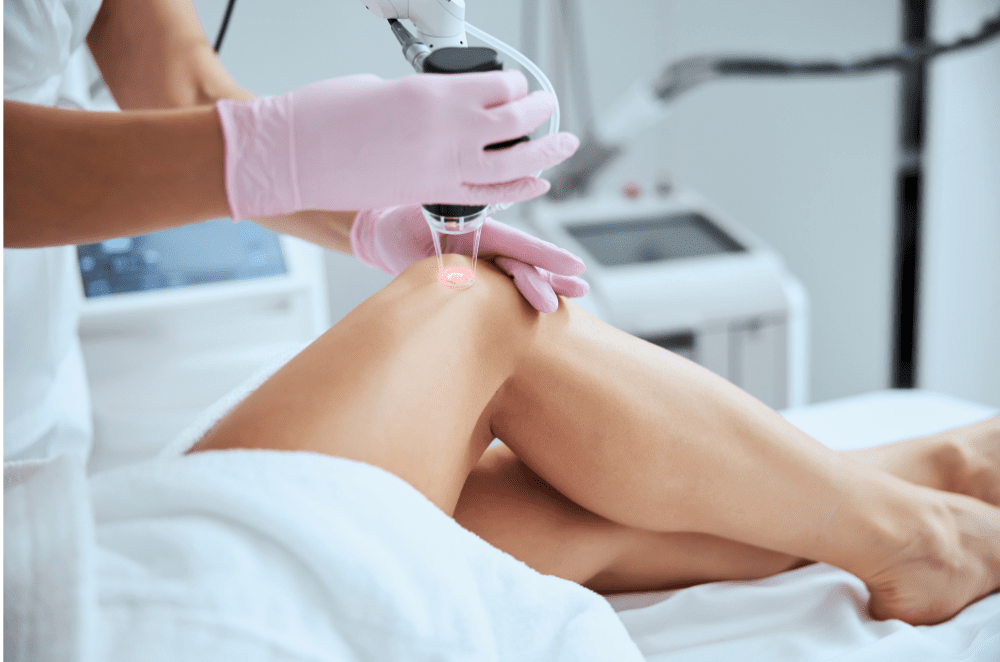
Radiofrequency ablation uses controlled heat to seal a faulty vein from the inside. Your provider inserts a thin catheter through a small entry point in the leg. The catheter delivers energy along the vein wall, and blood reroutes to healthier vessels nearby. The procedure typically uses a local anesthetic.
This option suits larger veins that feed visible surface problems. Recovery time stays short for most people. Since the entry point is tiny, your provider usually closes it with a small bandage rather than stitches.
Bring your questions to your first appointment, and your provider will walk you through each step. A trained team reviews your veins, explains the process, and outlines what to expect afterward. You need clear answers before any decision.
Glue Treatment
Vein glue, known as cyanoacrylate closure, seals a damaged vein with a medical adhesive. A specialist delivers the glue through a catheter, and the vein walls bond together. The treated vein gradually breaks down inside the body over time. No heat is involved during the process. Patients may choose to skip compression stockings with this method, though your provider confirms what fits your situation.
Ambulatory Phlebectomy
Ambulatory phlebectomy removes bulging surface veins through tiny skin punctures. Your provider numbs the area and then uses a small hook to extract the vein segments. The openings are so small that stitches are typically not needed, which keeps scarring minimal. Each session targets a marked section of the leg.
This approach typically pairs with radiofrequency or sclerotherapy for fuller results. You walk soon after the procedure. Your specialist may ask you to wear compression stockings for a set period.
Several factors shape which technique your provider recommends. A consultation helps clarify your options before you commit. Major factors include:
- Your vein size and location
- Your medical history and current health
- Your number of veins
- Your daily activity and recovery needs
Your provider reviews these details, and a personalized plan follows the assessment. Each treatment carries its own preparation steps, so clear instructions matter. Ask questions during your visit if anything feels unclear.
Schedule Vein Treatment Today
Non-surgical vein options give you several paths, and a specialist matches the method to your needs. These treatments use small entry points, fine needles, or catheters rather than large incisions. Since each leg differs, a proper evaluation guides the right choice for you. Book a consultation with a vein specialist to start your assessment and find a time that fits your schedule.