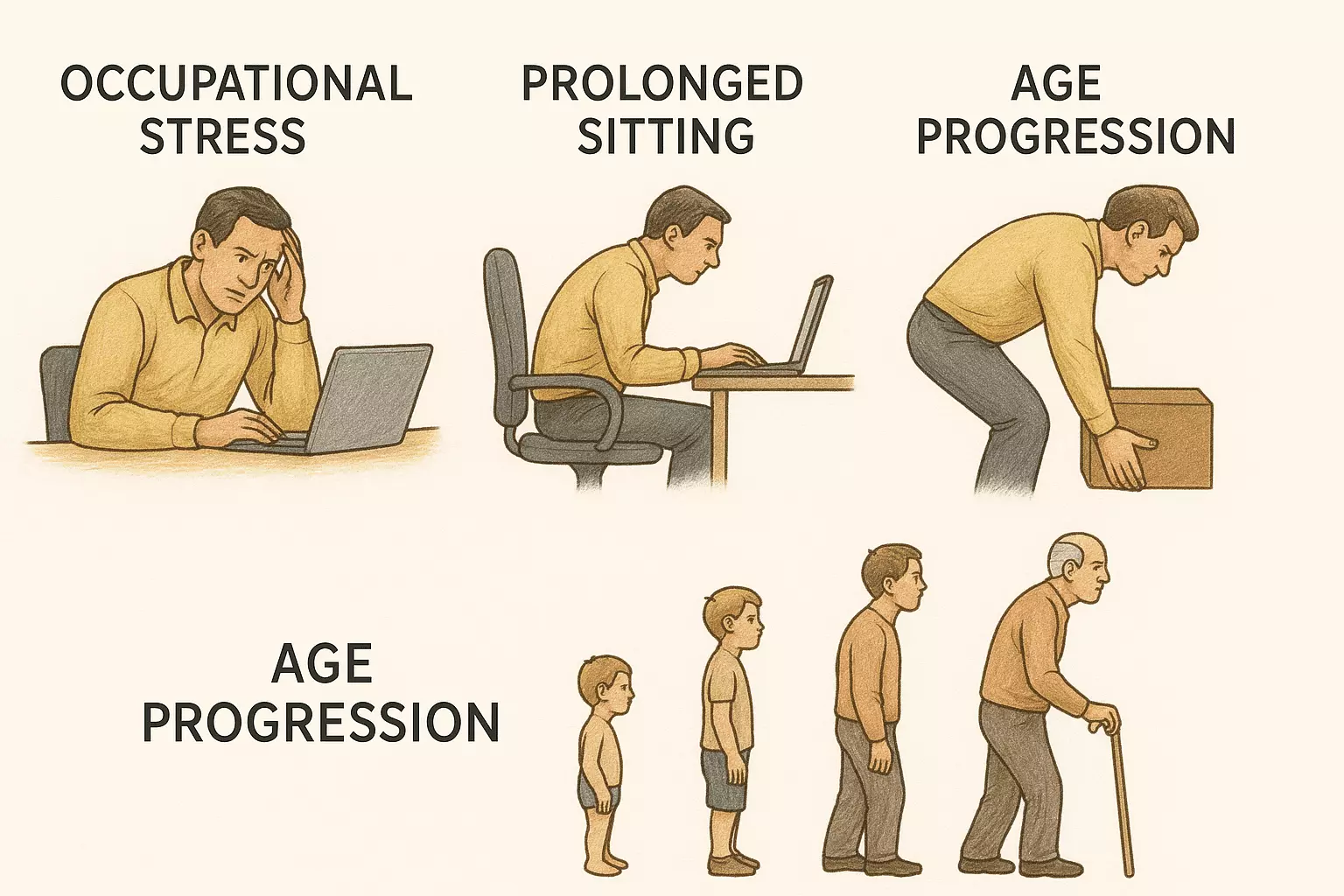
When a damaged intervertebral disc causes persistent neck or back pain, patients and their healthcare providers may evaluate available surgical options. Degenerative disc disease and herniated discs can compromise spinal stability and compress nerve roots, leading to discomfort and limited mobility. Nonoperative treatments remain the initial step, but persistent symptoms may necessitate disc surgery.
What Is Disc Surgery?
Disc surgery primarily involves removing a damaged disc to relieve pressure on the spinal nerves. Surgeons generally use two main approaches to treat this condition: spinal fusion and artificial disc replacement. Spinal fusion involves joining two vertebrae together with bone grafts. This technique stops movement at the affected spinal segment, which helps to alleviate pain caused by friction and instability.
Total disc arthroplasty takes a different approach. Instead of fusing the bones, the surgeon removes the damaged disc and inserts a mechanical substitute. This artificial device mimics the natural function of the original disc. The replacement allows the patient to maintain a more typical range of motion in the spine while still providing structural support.
What Are the Risks?
Every surgical procedure carries potential risks. During disc surgery, specific complications can arise from the approach itself or the implanted devices. These risks may be categorized to help patients understand the exact nature of the procedure.
Surgery Complications
Surgeons can access the spine through the abdomen or the front of the neck, which requires moving blood vessels and organs. Potential issues include venous injury, excessive blood loss, or damage to the sympathetic plexus. In male patients, sympathetic nerve disruption may cause retrograde ejaculation.
Infections and Neurological Issues
Infections represent a risk with any operation. Most occur as superficial wound infections near the incision site, which typically respond well to antibiotics. Deep wound infections occur less frequently. Neurological complications can also happen, including numbness, burning sensations, or motor deficits and nerve root injuries.
Implant and Device Complications
With artificial disc replacement, the implant may sometimes subside, meaning it sinks into the adjacent vertebral bone. Patients face the risk of pseudarthrosis with spinal fusion, which is a condition where the bone fails to fuse properly. Some individuals also experience pain at the bone graft donor site.
How Are These Risks Addressed?
The surgical process begins with precise planning. By using an anterior approach, a surgical team can reach the spine without cutting through the large muscle groups of the back. This method helps to minimize tissue damage and reduce postoperative pain.
During disc replacement, surgeons carefully clear away the damaged disc material. They avoid removing too much of the hard bony endplate of the vertebrae. Preserving this bone provides a strong foundation for the artificial disc, which reduces the chance of subsidence. By avoiding over-distraction of the disc space, the surgical team minimizes stress on the surrounding nerves and blood vessels.
Speak Further With Your Surgeon
Understanding the specifics of disc surgery can help patients set realistic expectations for their recovery. Different procedures require different postoperative care plans. Patients undergoing a cervical disc replacement might need to wear a soft collar for a few weeks, while lumbar procedures involve specific activity restrictions to allow the abdominal incision to heal properly. Before scheduling an operation, patients can discuss all available options and potential complications with their medical team. Open dialogue empowers patients to make informed decisions regarding their spinal health and long-term recovery goals.