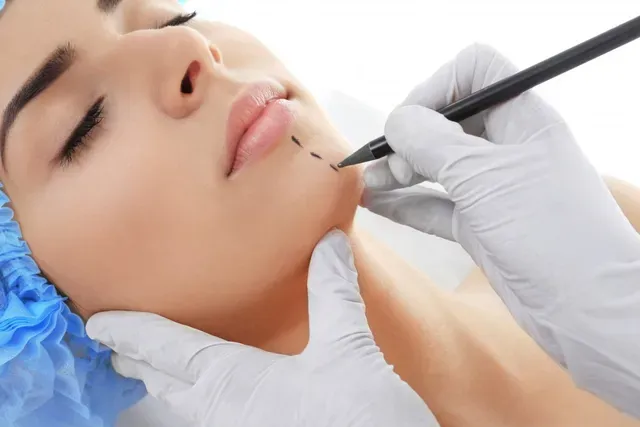
Aesthetic surgery alters the human body to enhance physical appearance, while reconstructive procedures improve daily life by restoring function. Choosing the procedure that’s right for you can be challenging. Here are some tips for finding professional resources for plastic surgery information:
Schedule Surgical Consultations
Scheduling surgical consultations allows you to receive professional information and personalized medical guidance. They provide a dedicated forum for asking questions about surgical options and receiving answers from practicing plastic surgeons. Practitioners use this time to explain anesthesia modalities, and they describe innovative procedural techniques they use. This helps patients understand how modern methods can achieve natural-looking, long-lasting results.
Consultations often involve a physical assessment of your anatomy, helping determine which procedures are functionally appropriate for you. Surgeons also conduct a review of your past and current health status to assess your suitability for the procedure. Pre-existing diabetes or circulatory issues may influence how the body reacts to anesthesia and its ability to heal properly. Physical examinations allow the surgeon to assess skin elasticity and the underlying structures, and their potential responses to surgery.
Analyze Procedure Descriptions
Procedure descriptions explain the surgical options that practitioners offer for the face, breasts, and body. These detailed summaries explain the medical objectives of each procedure, whether it’s to enhance symmetry or restore form and function. The descriptions highlight procedural details, such as how facelifts address sagging skin or how breast augmentation utilizes different implant types.
A practitioner’s website often categorizes procedures into groups, including facial surgery, breast surgery, and body surgery. These pages provide information about specific operations, such as tummy tucks or eyelid surgery, enabling targeted searches. Detailed descriptions help patients differentiate among plastic surgery procedures and understand the recovery process.
Access Support Groups
Support groups provide specialized information that bridges the gap between clinical instruction and daily lived experience. These peer-led resources focus on the practical application of recovery protocols in a real-world setting. Engaging with people who have already navigated the surgical journey provides patients with clarity about what to expect during healing. Support groups can provide logistical and lifestyle information that facilitates a smooth transition from the operating room to the home environment. Group members exchange details regarding:
- Optimal recovery tools: Members of support groups may recommend specialized items that increase comfort, such as wedge pillows for proper elevation. Some patients use reacher-grabber tools to avoid straining incisions, and specialized cushions support posture after body contouring.
- Environmental organization: Peer resources offer insights into organizing a recovery suite that minimizes movement and promotes safety. This includes advice on placing items like medications, hydration, and communication devices within easy reach of a stationary recovery spot.
- Caregiver coordination: Support groups provide information on managing home health assistance or coordinating with family members for continuous care.
- Apparel and garments: Participants discuss which compression garments provide support for managing swelling or which loose-fitting clothing allows mobility.
Examine Photo Galleries
Many medical websites feature photo galleries showcasing before-and-after results of real patients who have undergone surgical procedures. These collections serve as a professional resource, showcasing the actual outcomes of specific operations performed by a practice’s surgeons. They present side-by-side comparisons of the face, breasts, and body; these demonstrate the surgical skill and aesthetic style of the clinical team. When you examine a breast augmentation gallery, review how different techniques help achieve balanced, natural-looking proportions. Patients can use specific images to point out their desired aesthetic goals. Visual analysis helps patients understand the transformative potential of surgery while grounding their aspirations in the realities of clinical outcomes.
Read Educational Blogs
Educational blogs offer in-depth information on an array of surgical and non-surgical treatments. Blogs help patients navigate surgery from start to finish, and they serve as a key resource during the decision-making process. They break down complex medical concepts into language that helps patients understand surgical procedures. Some posts provide information regarding recovery and the environmental preparations needed for a successful post-operative period. Readers can find detailed guidance on managing physical symptoms such as swelling or discomfort. Some posts highlight long-term maintenance aspects, offering professional advice on lifestyle choices and skin care that help preserve surgical results.
Learn More About Plastic Surgery
Professional surgeons and their teams are prepared to support patients before, during, and after surgery. Post-operative nursing support provides clinical guidance during the healing process; they provide specialized education on wound care and medication management. Contact a reputable plastic surgeon today to learn more about their services.