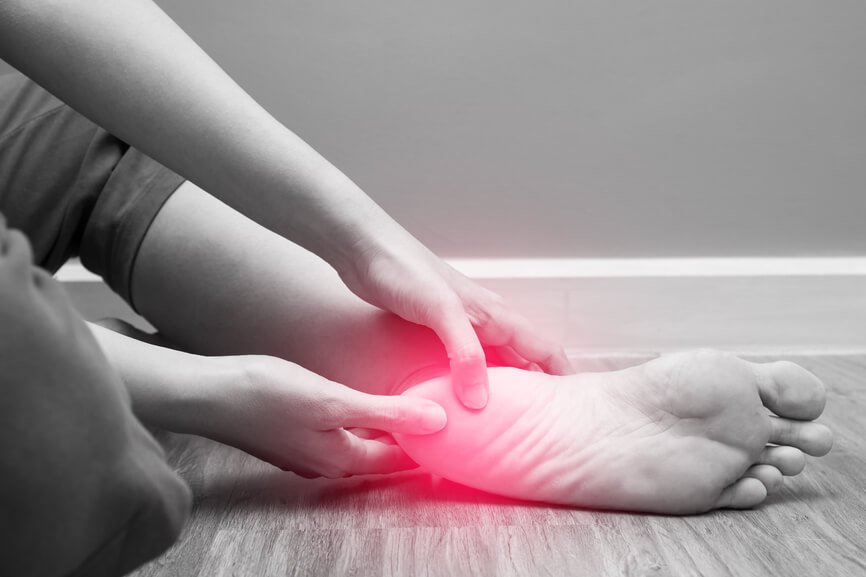
Plantar fasciitis is a common structural condition that involves the inflammation of a thick band of tissue running across the bottom of your foot. This band of tissue, known as the plantar fascia, connects your heel bone to your toes, and it acts as a shock absorber. Plantar fasciitis often causes sharp discomfort during your first steps in the morning. Treating and managing this condition typically involves a combination of conservative methods aimed at reducing strain on the foot. Management usually focuses on stretching the affected area, providing adequate physical support, and modifying daily activities to prevent further irritation. Utilizing a structured approach to daily care offers practical ways to support your mobility.
Key Management Techniques
Consistent daily habits form the foundation of managing plantar fasciitis. Focusing on structural support and flexibility often helps alleviate tension on the bottom of the foot. Supportive footwear is a fundamental aspect of managing plantar fasciitis; wearing shoes with adequate arch support and cushioned soles helps reduce impact on your heels and provides support. Replace worn-out shoes regularly, as worn soles can diminish the benefit of supportive footwear.
Avoiding walking barefoot, especially on hard surfaces, can minimize strain on the plantar fascia. Targeted stretching is also recommended. Gently stretching your calves and the arches of your feet improve flexibility and reduce tension on the affected tissue. Tight calf muscles sometimes place extra stress on the plantar fascia, so performing stretches before getting out of bed can be particularly effective.
Orthotic inserts provide another layer of support by distributing weight more evenly across your foot. Whether you use custom or over-the-counter inserts, they help prevent the plantar fascia from stretching excessively during daily activities, offering a stable foundation for your feet.
Advanced Treatment Options
When basic management methods do not provide sufficient support, healthcare professionals may suggest additional interventions. These options aim to address persistent structural stress.
- Physical Therapy: A physical therapist can guide you through specific exercises designed to strengthen your lower leg muscles. This added strength stabilizes your walk and lessens the workload on your plantar fascia.
- Immobilization: Your doctor might recommend wearing a splint while you sleep or a walking boot. These devices help prevent the tissues from contracting and tightening.
- Medical Procedures: For complex cases, a specialist might discuss interventions like corticosteroid injections. These are specialized procedures administered by trained professionals to target persistent tissue irritation.
Quick Relief Tips
Quick relief for plantar fasciitis often involves simple strategies that you can incorporate into your daily routine during times of increased discomfort. Applying ice to your heel for about 15 minutes helps soothe the area, and rolling your foot over a cold water bottle may provide a gentle massage while potentially reducing temporary swelling.
Rest is recommended, so try temporarily reducing high-impact activities like running or jumping to give your foot time to recover. Switch to lower-impact exercises, such as swimming or cycling, to stay active without putting as much strain on your feet. Self-massage can also be effective. Applying moderate pressure with your thumbs to the arch of your foot helps release tension. Use a tennis ball under your foot while seated to massage the affected area.
Ask About Plantar Fasciitis Today
Proper guidance helps you apply the correct techniques for your specific foot structure. Consult a healthcare provider or a foot specialist if your discomfort lasts more than a few weeks. They can provide an accurate assessment and recommend a structured plan tailored to your needs. Bring a list of your symptoms and current strategies with you, so you can work together toward better foot health.