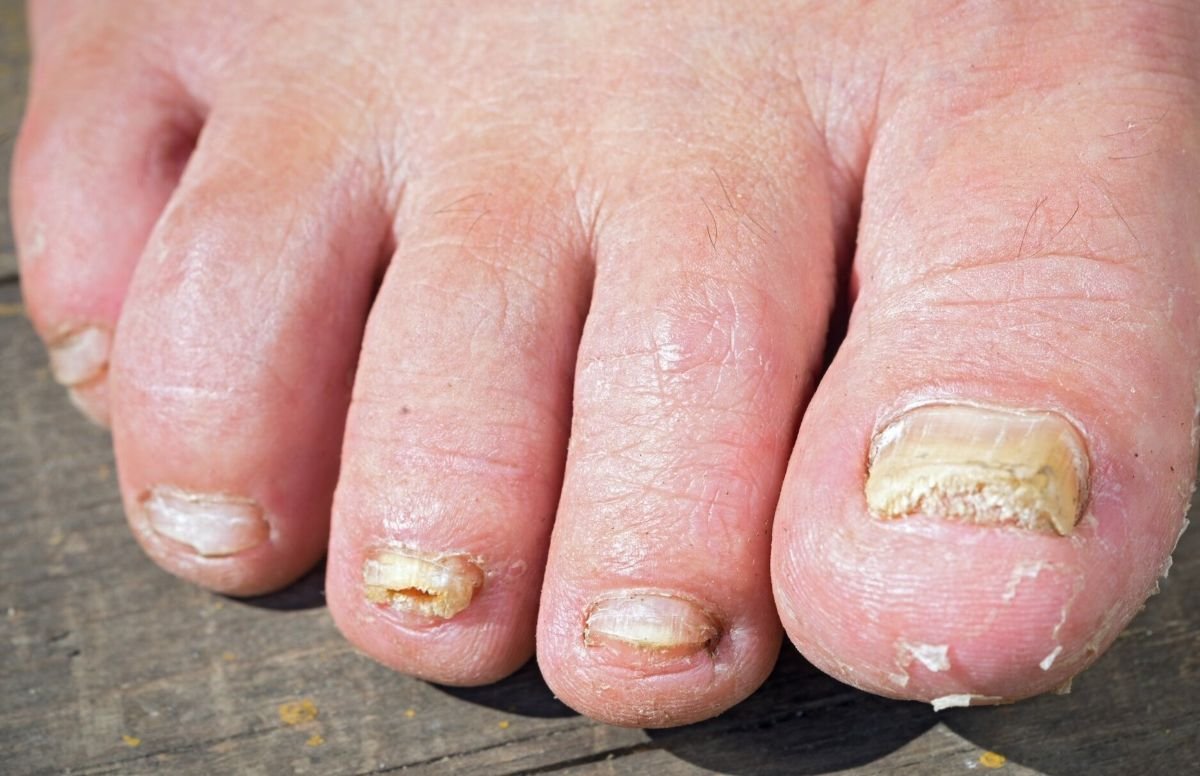
Foot fungus is a common skin infection that affects the feet, often between the toes or along the soles. It develops when fungi grow in warm, damp areas and potentially enters the skin of the feet. Symptoms may include itching, scaling, redness, cracking, or a burning feeling, although signs can vary from person to person. Foot fungus is often linked to athlete’s foot, but other fungal conditions can also affect the skin or nails. Here’s information on the remedies and treatments for foot fungus:
How Natural Remedies Help
Natural remedies focus on reducing moisture and limiting exposure to places where fungi often spread. Keeping your feet clean and dry is one of the most practical preventive steps against foot fungus. Wash your feet daily with mild soap and water, dry carefully between your toes, and change your socks if they become damp during the day. Breathable shoes and moisture-wicking socks may also help create a drier environment. Rotating shoes between uses may allow them to dry more fully.
Avoid walking barefoot in community areas such as gym locker rooms, public showers, and pool surrounds, and wear sandals or shower shoes instead. This step matters because shared surfaces can hold fungi for long periods. Using clean towels and not sharing footwear can support basic hygiene and prevent exposure to fungi. Some people also use over-the-counter powders, antifungal sprays, or absorbent foot products as part of routine care. These options are often used to manage moisture. Natural remedies do not replace medical evaluation, but they can support day-to-day foot care and lower common risk factors.
When To Visit a Specialist
Persistent itching, peeling, cracking, or skin breakdown often indicates a problem that needs closer review. A specialist may be helpful when symptoms do not improve with basic care or when the condition keeps returning. Thickened nails or changes in nail shape or color may also require professional assessment, since nail fungus can be difficult to treat. A clear diagnosis supports a more focused treatment plan.
You should also contact a specialist if:
- Walking Becomes Painful
- Skin Develops Open Sores
- Irritation Spreads Beyond the Foot
People with diabetes, circulation issues, or reduced sensation in the feet should not ignore fungal symptoms, but seek guidance early. For these health conditions, even minor skin problems deserve attention because the feet are more vulnerable to complications. A foot and ankle specialist can examine your skin and nails and decide whether testing or treatment is appropriate. This can help rule out other conditions that may look similar, such as eczema or contact dermatitis.
How Medical Remedies Work
To treat foot fungus effectively, medical remedies often include prescription-strength topical or oral medications. Topical medications are applied directly to the affected skin or nails; these treatments are generally used to target fungal growth on the surface. Topical medication instructions often include how often to apply it and how long to continue use. Oral medications work differently, and they may be recommended when fungal problems are widespread, recurrent, or involve the nails. Follow-up visits are used to monitor progress and adjust care if needed. Medical treatment plans often work best when paired with daily hygiene and prevention habits.
Contact a Foot Fungus Specialist
Foot fungus can cause a range of symptoms, from mild irritation to persistent discomfort that interrupts daily life. Home care may help in some cases, but ongoing symptoms should be evaluated by a specialist. A foot and ankle center can assess your skin or nail condition, explain your treatment options, and recommend next steps. Contact a foot fungus specialist for an evaluation today. Timely medical care helps you better understand the issue and choose an appropriate plan for your feet.