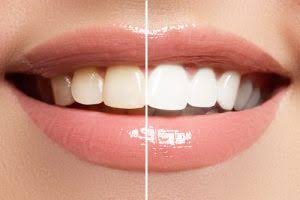
Tooth discoloration occurs in two primary forms: extrinsic and intrinsic. Extrinsic staining affects the outer enamel surface from food, beverages, or tobacco use, while intrinsic discoloration originates within the tooth structure and may result from aging, certain medications, or trauma. Professional teeth whitening uses high concentrations of bleaching agents, which help break down stains more effectively. Here is more information on what teeth whitening involves, the available methods, and the benefits they offer:
What Is Teeth Whitening?
Teeth whitening is a cosmetic dental procedure that lightens tooth color by removing stains and discoloration from the enamel surface. It typically uses a bleaching agent, which breaks down stains at the molecular level. Dentists apply it at higher concentrations than retail products, and this allows for faster, more noticeable results.
Why Do Teeth Change Color?
Teeth naturally darken over time due to a combination of external and internal factors. These include:
- Dietary habits: Foods and drinks such as coffee, tea, and red wine adhere to tooth enamel and gradually cause staining.
- Aging: Enamel thins with age, revealing the naturally yellower dentin layer underneath.
- Medications: Certain antibiotics can cause intrinsic staining within the tooth structure.
Understanding the underlying cause of discoloration helps determine the most appropriate whitening treatment for each patient.
What Are Teeth Whitening Methods?
Dental professionals typically offer two primary whitening methods: in-office treatment and take-home kits. Both rely on bleaching agents, though they differ in strength, application, and the time required to see results, making each method suitable for different patient needs. In-office treatment involves applying a high-concentration bleaching gel directly to the teeth while the patient sits in the dental chair.
Dentists also provide take-home kits that include custom-fitted trays and a lower-concentration bleaching gel. Patients apply the gel and wear the trays for a set period each day; the application duration depends on the formulation. This approach offers flexibility, and it may cause less sensitivity because the active ingredient works more gradually than in-office alternatives.
What Are the Benefits?
Professional teeth whitening offers advantages that set it apart from generic, store-bought products. A dentist examines the teeth and gums first, and this diagnostic step rules out underlying issues such as cavities or gum disease. This may reduce the risk of complications, which helps the provider recommend an approach suited to the patient’s specific dental history.
Custom-fitted trays and controlled application allow the bleaching agent to reach the teeth evenly, and this may produce more consistent results. Professional formulations are stronger and more effective at breaking down both surface and intrinsic stains. Because the treatment timeline is shorter than over-the-counter alternatives, patients also benefit from professional guidance on managing sensitivity.
Results from professional whitening may last longer, particularly when patients follow aftercare recommendations regarding diet and oral hygiene. A licensed provider monitors the treatment, so patients can safely explore whitening options that are too potent for unsupervised home use. This oversight distinguishes professional whitening from store-bought alternatives, and it keeps the process safe and effective.
Seek Brighter Teeth Now
Teeth whitening helps brighten a smile affected by years of stains, medication, or the natural aging process. In-office treatment and take-home kits each offer distinct advantages; they give patients options based on their timeline, sensitivity, and desired results. Choosing professional intervention means a dentist evaluates the mouth beforehand, applies stronger and more consistent formulations, and monitors the process. If you are looking to improve your smile, schedule a consultation with a dentist.