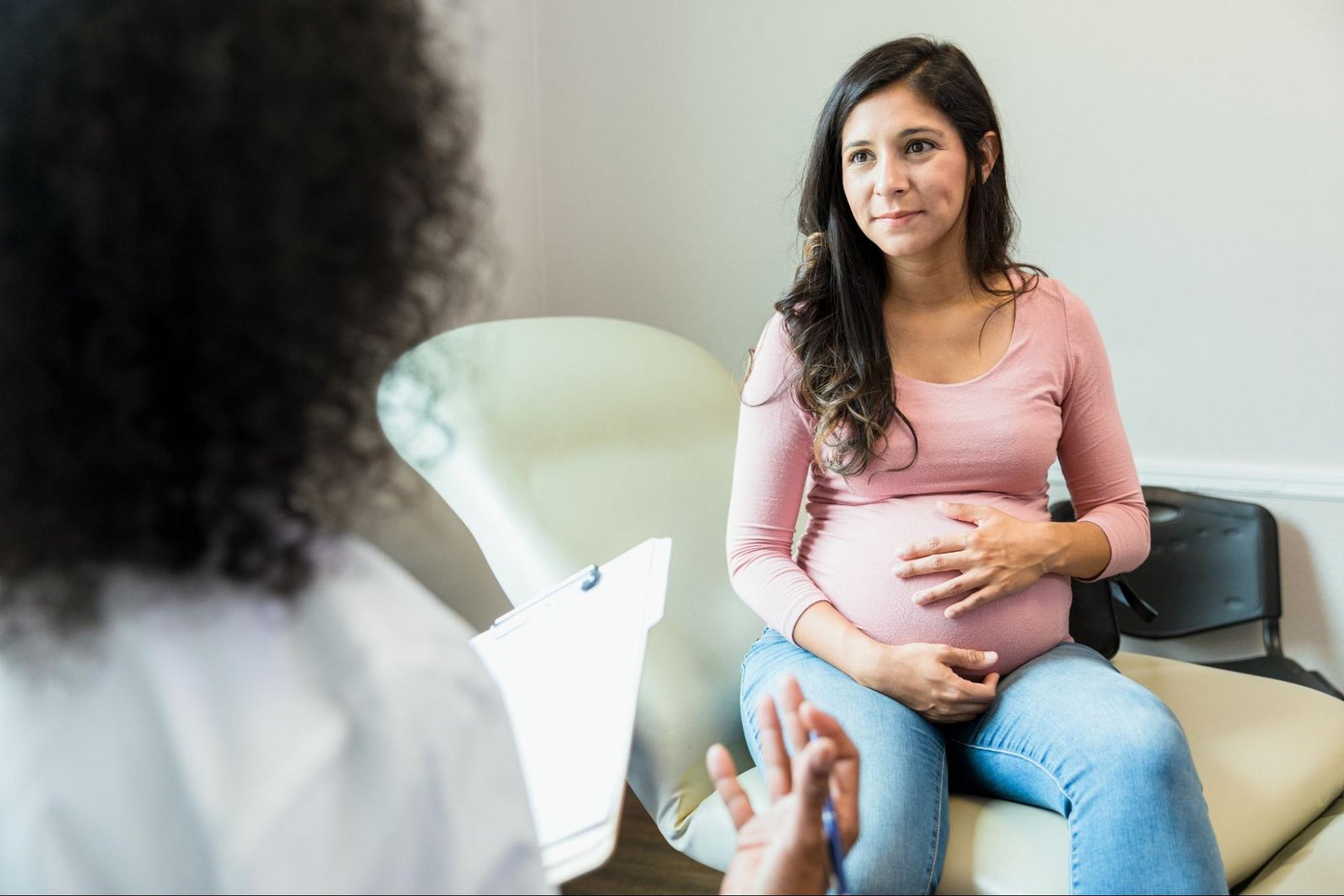
An OB/GYN provides care for women’s reproductive health needs throughout different stages of life. They can help patients make informed decisions about their health through routine exams, preventive screenings, and treatment for gynecologic concerns. Here is a closer look at the OB/GYN’s role in women’s health:
Supporting Preventive Women’s Care
Preventive care is a key part of an OB/GYN’s practice, and it often begins with regular checkups. During these visits, the doctor reviews the patient’s medical history, discusses their habits, and performs routine screenings. Here are common preventive services that an OB/GYN provides:
- Wellness exams: These checkups monitor general reproductive health over time.
- Screenings: Tests such as Pap smears help detect changes early, so doctors can act quickly.
- Health counseling: The doctor may discuss topics like nutrition, lifestyle, and family planning.
These services work together to support ongoing care. When patients keep regular appointments, the OB/GYN can track changes and respond as needed.
Managing Gynecologic Conditions
OB/GYNs also help diagnose and manage conditions that affect the reproductive system. Some women visit for irregular cycles, while others present with pelvic pain or other symptoms. The doctor listens, examines, and may order tests to understand what is happening.
Once a condition is identified, the OB/GYN can recommend options and explain each one. Treatment approaches vary widely, and the doctor often tailors the plan to the patient’s needs and goals. Patients can ask about benefits, risks, and timelines so they are informed about the next steps.
Providing Pregnancy Care
Pregnancy care, known as obstetrics, is one of the recognized roles of an OB/GYN. The doctor supports patients before, during, and after pregnancy, and each phase has its own focus. Regular prenatal visits allow the doctor to monitor progress and answer questions along the way.
Reproductive care also extends beyond pregnancy itself. Some patients seek guidance on family planning, and others want to learn about fertility or contraception. The OB/GYN can explain the choices, share information, and help individuals contemplate what aligns with their situation. After birth, care continues through the postpartum period. The doctor may check on recovery, discuss feeding, and talk about future plans.
Guiding Women’s Health
Women’s health needs change over time, and an OB/GYN can adapt care to match each stage. A teenager may have different concerns than someone planning a family, and an older patient may face new changes such as menopause. The doctor adjusts the conversation and the care plan to fit where you are in life. Here is how care often changes across the years:
- Adolescence: Early visits may cover first periods, education, and general reproductive health.
- Reproductive years: Care often focuses on family planning, pregnancy, and routine screenings.
- Menopause and beyond: The doctor addresses changing symptoms and ongoing wellness.
Establishing trust with an OB/GYN promotes personalized and consistent care that adapts to each phase of life, supporting the patient’s overall well-being.
Consult a Local OB/GYN Today
An OB/GYN supports women through preventive care, gynecologic concerns, pregnancy, and every life stage. Navigating the stages of reproductive health requires specialized and attentive care. Establishing a consistent relationship with an OB/GYN promotes continuity of care and a comprehensive understanding of health history, resulting in more effective and personalized guidance. Contact a qualified OB/GYN in your area to schedule your consultation today.